Decision‑Ready Reporting: Views by Request

Every organization has data. Most of it sits in spreadsheets, siloed platforms, or quarterly PDFs that arrive weeks after the decisions they were meant to inform have already been made. The gap between having data and having reporting that actually drives decisions is enormous, and it's where most risk management programs quietly fail. Think of it this way: a 40-page compliance report that lands on an executive's desk two weeks after quarter-end is like getting a weather forecast from last Tuesday. It might be accurate, but it's useless for deciding whether to carry an umbrella today. The shift toward decision-ready reporting, where stakeholders get the views they need on demand, represents more than a technology upgrade. It's a philosophical change in how organizations think about information, accountability, and speed. And it's long overdue.
The Evolution of Decision-Ready Reporting
For decades, reporting in risk management and compliance meant one thing: someone in an office compiled numbers into a document, formatted it nicely, and emailed it to leadership. The cadence was monthly or quarterly. The format was fixed. And by the time anyone read it, the data was already stale. That model worked when business moved more slowly, regulatory requirements were simpler, and the volume of vendor relationships was manageable. None of those conditions exists anymore.
The real problem wasn't just speed. It was relevant. Reports were built around what was easy to compile, not what decision-makers actually needed. A CFO doesn't need the same view as a project manager on a construction site. A chief risk officer cares about aggregate exposure trends, while a procurement lead needs to know whether a specific subcontractor's certificate of insurance is current. One-size-fits-all reporting served nobody particularly well.
Moving Beyond Static Data Dumps
Static reports are the compliance equivalent of photographing a moving train. You get a snapshot, but you miss everything that matters: the speed, the direction, and whether it's about to derail. The shift away from static data dumps isn't just about making reports prettier or more frequent. It's about fundamentally rethinking what a "report" is.
A decision-ready view isn't a document. It's an answer to a specific question, delivered when someone needs it. "How many of our vendors are currently out of compliance?" is a question that should take seconds to answer, not a request that triggers a two-week data-gathering exercise. When your reporting infrastructure can't answer basic questions in real time, you're not managing risk. You're performing compliance theater: going through the motions for auditors while the actual exposure picture remains hidden.
The organizations that get this right have stopped thinking of reporting as a periodic event and have started treating it as a continuous capability. The difference is like checking your bank balance once a month versus having a banking app on your phone: same data, radically different relationship with it.
The Role of Real-Time Data in Modern Governance
Real-time data changes behavior. When a project manager can see at any moment that 12 of their 40 subcontractors have lapsed insurance coverage, they act differently than if they discover it during a quarterly review. The information creates urgency, and urgency creates accountability.
Modern governance demands this kind of constant awareness. Boards and executive teams are increasingly asking not just "were we compliant last quarter?" but "are we compliant right now?" That's a harder question to answer, and it requires infrastructure that most organizations haven't built yet. The ones that have reported fewer surprises during audits, faster response times to coverage gaps, and a measurable reduction in the administrative burden of compliance reporting.
Real-time doesn't necessarily mean every-second updates for every metric. It means the data is current enough to act on. For high-risk vendor relationships, that might mean daily monitoring. For routine operations, weekly refreshes might suffice. The key is matching the data cadence to the decision cadence.
Implementing Views by Request for Stakeholders
The concept of views by request flips the traditional reporting model on its head. Instead of pushing the same report to everyone on a schedule, stakeholders pull the specific information they need when they need it. This sounds simple, but it requires careful thought about who needs what, when, and in what format.
The biggest mistake organizations make is building one dashboard and calling it done. A single view that tries to serve everyone ends up serving no one. The COO wants trend lines and exception flags. The site manager wants a list of non-compliant vendors on their specific project. The compliance team wants audit trails and documentation status. Treating these as variations of the same need is a recipe for frustration.
Customizing Dashboards for Executive Roles
Role-based views are where reporting stops being a chore and starts being a tool. An executive dashboard should answer three questions within five seconds of opening: What's our current compliance posture? Where are the biggest gaps? What's changed since I last looked? Everything else is noise at that level.
For mid-level managers, the view shifts to operational detail. They need to see which specific vendors or partners are out of compliance, what documents are missing or expired, and what actions are pending. They don't need the strategic trend analysis that leadership wants, and leadership doesn't need the granular vendor-by-vendor breakdown.
The governance model that works best here centralizes control, meaning the risk team sets the standards, defines what compliance looks like, and owns the data architecture, while decentralizing execution. Site leads, project managers, and department heads handle the tactical work of chasing down missing documents and resolving gaps. This prevents the bottleneck that occurs when every compliance question has to route through a single team. It also means the dashboards need to reflect this split: strategic views for central risk, operational views for distributed teams.
On-Demand Access vs. Scheduled Delivery
Not every piece of information needs to be on demand, and not every report should be scheduled. The trick is matching the delivery pattern to the risk profile and the workflow.
High-risk, regulated activities benefit from synchronous request patterns in which someone actively checks the compliance status before authorizing work or approving a vendor. Think of a general contractor verifying a subcontractor's insurance before they step onto a job site. That's a moment where on-demand access isn't just convenient, it's essential.
Routine operations, on the other hand, work better with asynchronous patterns. A weekly summary of compliance status across your vendor portfolio, flagging exceptions, gives leadership the awareness they need without creating a culture of constant dashboard-checking. The danger of making everything on demand is that people stop looking. When the firehose is always on, nobody drinks from it. Scheduled delivery of curated, exception-based reports ensures the right eyes see the right problems at the right time.
Streamlining Compliance Reporting Through Automation
Manual compliance reporting is one of those processes that everyone knows is broken, but few organizations have the will to fix it. The typical workflow involves someone collecting certificates of insurance from vendors via email, manually checking expiration dates, logging the information into a spreadsheet, and then compiling a report. Multiply that by hundreds or thousands of vendor relationships, and you've got a full-time job that produces practically worthless output because it's always out of date.
Automation changes this equation entirely. When document collection, verification, and status tracking happen automatically, the reporting layer becomes a byproduct of the process rather than a separate effort. You stop building reports and start reading them.
Meeting Regulatory Standards with Dynamic Views
Regulatory requirements aren't getting simpler. Whether you're dealing with OSHA, state insurance mandates, or industry-specific compliance frameworks, the expectation is clear: you need to demonstrate compliance, not just claim it. Dynamic views make this possible by maintaining a living picture of your compliance posture rather than a historical one.
Consider a scenario in which a regulator requests proof that all vendors on a specific project maintained adequate coverage over six months. With static reporting, answering that question means digging through archived spreadsheets, cross-referencing email attachments, and hoping nothing fell through the cracks. With dynamic reporting tied to automated tracking, the answer is a filtered view that can be generated in seconds.
The shift from periodic reporting to continuous monitoring means compliance stops being a fire drill. Instead of scrambling before an audit, your team operates in a constant state of readiness. That's not just more efficient. It's fundamentally less risky.
Audit Trails and Data Integrity in Reporting
A report is only as credible as the data behind it. Auditors don't just want to see that a vendor was compliant; they want to see when the documentation was received, who verified it, whether it was ever out of compliance, and how quickly gaps were resolved. That chain of evidence is the audit trail, and it's where most manual processes fall apart.
Fragmented visibility between project teams, site managers, and central ri
sk management creates gaps that stay hidden until a claim occurs. When one team tracks compliance in a spreadsheet, another uses email folders, and a third relies on memory, the audit trail is practically nonexistent. The data integrity required for credible compliance reporting demands a single, consistent system of record.
Automated audit trails capture every interaction: when a COI was requested, when it was received, what it contained, whether it met requirements, and when it expired. This isn't just good practice for auditors. It's protection for the organization when a claim arises, and someone asks, "Did you verify coverage?"
Technical Requirements for Dynamic Reporting Systems
Building a reporting system that delivers views by request requires more than a good dashboard tool. The technical foundation matters enormously, and getting it wrong means you've built a pretty interface on top of unreliable data.
Data Integration and Single Source of Truth
The single biggest technical challenge is integration. Most organizations store compliance data across multiple systems: a vendor management platform here, an email inbox there, a shared drive somewhere else. Dynamic reporting requires consolidating all of that into a single source of truth that everyone references.
This doesn't necessarily mean replacing every existing system. It means connecting them so that data flows automatically into a central repository. When a new COI arrives, it should be captured, parsed, and reflected in the reporting layer without manual intervention. When a certificate expires, its status should be updated everywhere simultaneously. The alternative, which is someone manually updating multiple systems, is where errors creep in, and data integrity breaks down.
API-based integrations, automated document ingestion, and standardized data schemas are the building blocks. The goal is to eliminate the gap between reality and what the system shows. Every hour of delay between a document arriving and the system reflecting it is an hour of phantom compliance: your dashboard says green, but the actual situation might be red.
User Interface Design for Actionable Insights
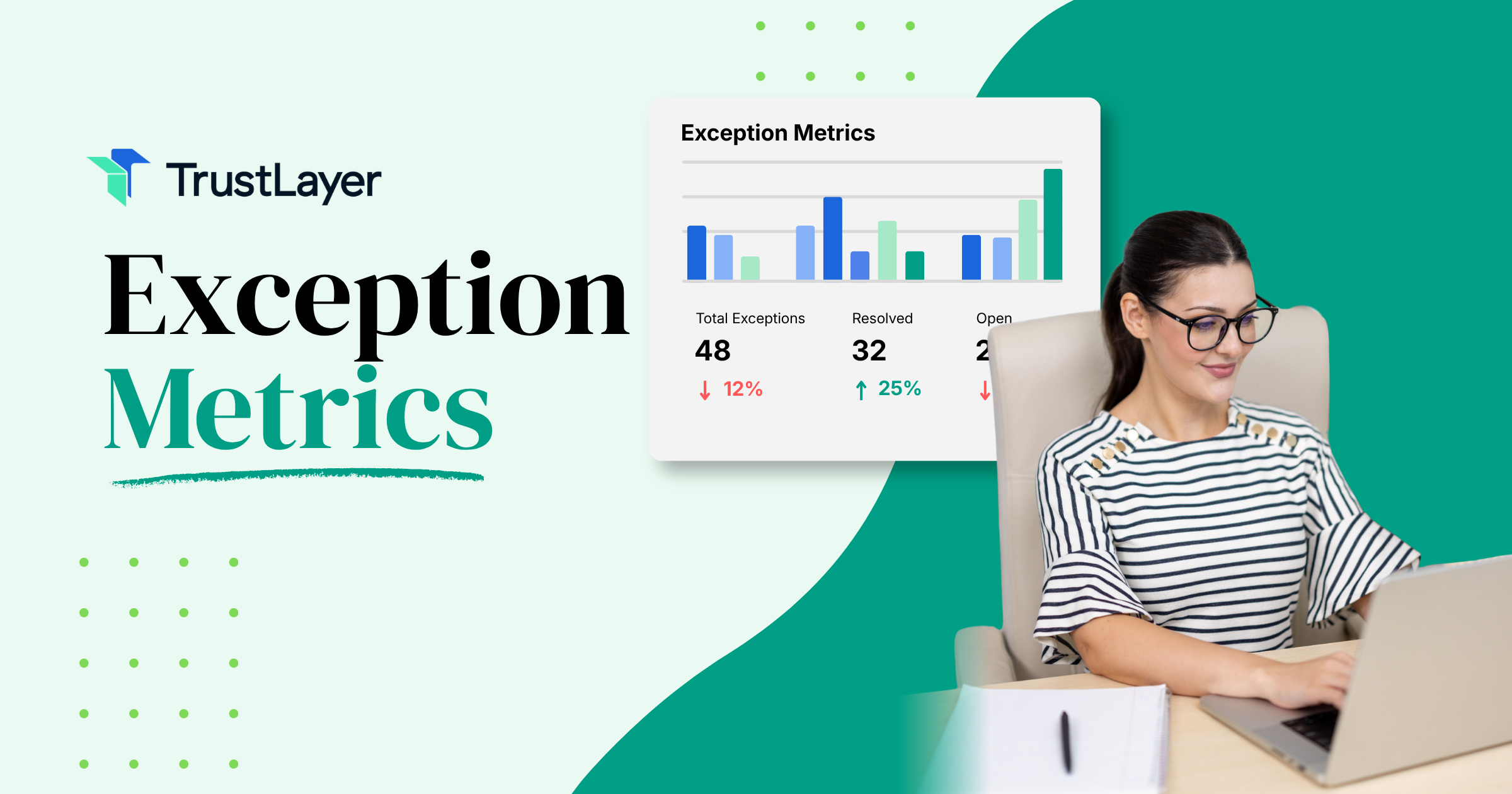
A dashboard that requires a training manual won't get used. The interface needs to answer questions, not generate more. Exception-based design works well here: instead of showing everything, show what's wrong and let users drill down from there.
Color-coded status indicators, filterable views by project or vendor category, and clear escalation paths turn a dashboard from a data display into a decision tool. The best interfaces make the next action obvious. If a vendor is out of compliance, the dashboard should show not just the problem but the path to resolution: what document is missing, who's responsible for collecting it, and when it was last requested.
Mobile accessibility matters too. Site managers and project leads aren't sitting at desks all day. If they can't check compliance status from a phone on a job site, the system fails at the point where it matters most.
Measuring the ROI of Decision-Ready Data
The return on investing in better reporting shows up in places that traditional ROI calculations often miss. Yes, you'll save hours of manual report compilation. Yes, you'll reduce audit preparation costs. But the real value is in the risks you avoid and the decisions you make faster.
Consider the cost of a single uninsured claim. A subcontractor caused property damage on a job site, and their coverage lapsed three weeks ago. Nobody noticed because the compliance spreadsheet hadn't been updated. That one incident can cost more than years of investment in automated tracking and dynamic reporting. The ROI isn't theoretical; it's the difference between catching a lapse on day one versus discovering it during litigation.
Speed of decision-making is harder to quantify but equally important. When a VP of operations can pull up a real-time compliance view during a vendor selection meeting, the decision is made there instead of being tabled for 2 weeks while someone compiles data. Multiply that across dozens of decisions per month, and the increase in organizational velocity is significant.
Organizations that have moved to continuous, on-demand reporting consistently describe the same transformation: they stopped being surprised. No more audit scrambles, no more "I thought they were covered" moments, no more compliance gaps hiding in data silos between teams. The reporting became what it was always supposed to be: a tool for making better decisions, not a bureaucratic obligation.
If your current compliance reporting process involves chasing down COIs via email, manually updating spreadsheets, or compiling quarterly reports that are outdated before the ink dries, it's time to look at what modern tools can do. TrustLayer automates the collection, tracking, and verification of certificates of insurance across your entire vendor portfolio, giving your team the real-time views they need to make confident decisions. Book a demo and explore other TrustLayer articles to see how forward-thinking risk managers are leaving manual processes behind.
You might also like




.png)