Education Compliance: Real-Time Visibility That Ends Fire Drills
Every spring, compliance officers across universities and school districts experience the same stomach-churning ritual: the audit notification lands, and suddenly everyone scrambles. Staff members abandon their regular duties to hunt down documentation scattered across filing cabinets, email threads, and departmental spreadsheets. This reactive approach to education compliance costs institutions far more than the obvious hours lost. It creates a culture of anxiety, erodes trust with accreditors, and pulls resources away from what actually matters: educating students.
The solution isn't working harder during audit season. The solution is building systems that make audit readiness a constant state rather than an annual crisis. Real-time visibility into your institution's risk profile transforms compliance from a fire drill into a sustainable practice. When you can see potential gaps before auditors do, you stop playing defense and start demonstrating genuine institutional integrity. This education sector risk guide examines how schools and universities can stop the audit fire drills by implementing continuous monitoring and proactive risk management strategies.
The High Cost of Reactive Audit Fire Drills in Education
The true expense of last-minute audit preparation extends far beyond overtime hours. Institutions operating in reactive mode consistently underestimate the cascading effects on their operations, reputation, and long-term compliance posture.
Common Triggers for Institutional Compliance Emergencies
Audit emergencies rarely emerge from nowhere. They follow predictable patterns that institutions could anticipate with proper monitoring. Federal program reviews triggered by enrollment changes catch financial aid offices off guard. State licensing renewals surface documentation gaps that accumulated over years of staff turnover. Accreditation visits reveal that policies approved five years ago have never been translated into practice.
Data breaches represent another common trigger, forcing institutions into crisis mode when they discover their incident response plans exist only on paper. A single phishing attack that compromises student records can trigger FERPA investigations, state attorney general inquiries, and potential Title IV funding reviews simultaneously. Institutions without real-time visibility into their security posture often discover vulnerabilities only after they are exploited.
Third-party audit findings also cascade into emergencies. When your food service contractor fails a health inspection or your transportation vendor loses required insurance coverage, your institution inherits the compliance problem. Schools frequently learn about vendor issues only when auditors flag them, leaving no time for remediation.
Resource Drain: How Manual Reporting Impacts Academic Operations
Manual compliance tracking creates a hidden tax on academic operations. Consider a mid-sized university preparing for reaccreditation: department chairs spend weeks compiling assessment data, faculty members dig through files for syllabi and course materials, and administrative assistants abandon routine work to format documents. The registrar's office processes hundreds of transcript requests while simultaneously pulling enrollment verification records.
This resource drain hits hardest at institutions that can least afford it. Community colleges with lean administrative staffs find compliance work consuming positions that should be reserved for student services. K-12 districts pull teachers from classrooms for documentation tasks. The opportunity cost compounds: every hour spent on reactive compliance is an hour not spent on strategic initiatives, student support, or program improvement.
The financial impact proves substantial. External consultants hired for last-minute audit preparation typically charge premium rates. Expedited document requests from vendors and partners incur additional fees. Staff burnout leads to turnover, creating knowledge gaps that make the next audit even more challenging.
Navigating the Complex Education Compliance Landscape
Educational institutions operate under overlapping regulatory frameworks that would challenge any organization. Understanding these requirements forms the foundation for effective risk management.
Protecting Student Data under FERPA and GDPR
The Family Educational Rights and Privacy Act governs how U.S. institutions handle student records, but FERPA compliance has grown increasingly complex. The law, written before cloud computing existed, now applies to learning management systems, student information systems, and dozens of third-party educational technology tools. Each vendor relationship creates potential exposure points.
Institutions that enroll international students or operate study abroad programs must also comply with GDPR requirements. The European regulation imposes stricter consent requirements and data subject rights that conflict with some standard U.S. educational practices. A German student enrolled at an American university creates compliance obligations under both frameworks.
Real-time visibility into data flows becomes essential. Institutions need to track which systems contain student information, which staff members have access to them, and which vendors process data on their behalf. Manual tracking through spreadsheets inevitably falls behind as systems proliferate and access permissions change.
Meeting Financial Aid and Title IV Regulatory Standards
Title IV compliance determines whether institutions can participate in federal student aid programs. The stakes couldn't be higher: loss of Title IV eligibility effectively closes most colleges and universities. The Department of Education's regulations cover everything from satisfactory academic progress calculations to campus safety reporting.
Financial aid offices must demonstrate accurate disbursement of funds, proper return calculations for withdrawing students, and verification of student eligibility. Each requirement generates documentation that auditors examine closely. Institutions operating multiple campuses or offering online programs face additional complexity as regulations apply differently across delivery modalities.
The 90/10 rule, cohort default rates, and gainful employment requirements add layers of compliance monitoring. Institutions approaching regulatory thresholds need early warning systems, not annual snapshots that reveal problems too late for correction.
Transitioning to Continuous Monitoring and Real-Time Visibility
Moving from reactive to proactive compliance requires both technological infrastructure and organizational change. The goal is to make audit readiness a natural byproduct of daily operations.
Eliminating Data Silos Across Campus Departments
Campus departments historically operated as independent fiefdoms, each maintaining separate records and reporting structures. The registrar tracks enrollment data, financial aid monitors disbursements, student affairs logs conduct incidents, and facilities manage safety inspections. This fragmentation creates blind spots that auditors exploit.
Breaking down silos starts with identifying where compliance-critical information lives. Map the data flows for each regulatory requirement, noting which departments own which pieces. Often, the same information exists in multiple systems with slight variations, creating reconciliation nightmares during audits.
Integration doesn't require replacing existing systems. Modern approaches connect disparate data sources through APIs and middleware, creating unified views without forcing departments to abandon familiar tools. The key is establishing a single source of truth for compliance purposes while respecting departmental autonomy for operational decisions.
Governance structures must evolve alongside technology. Designate data stewards responsible for accuracy within their domains. Establish clear protocols for updating information and resolving discrepancies. Create accountability for data quality that extends beyond the compliance office.
Automated Dashboards for Instant Audit Readiness
Dashboards transform compliance from a periodic project into an ongoing awareness. Instead of generating reports only when auditors request them, institutions can continuously monitor key metrics. When a metric drifts toward a threshold, staff receive alerts before the situation becomes critical.
Effective compliance dashboards display:
- Document expiration dates for vendor contracts, insurance certificates, and certifications
- Training completion rates across required compliance topics
- Incident trends that might indicate emerging risks
- Financial ratios and enrollment patterns affecting regulatory standing
The dashboard itself matters less than what it represents: a shift from asking "are we compliant?" to knowing compliance status at any moment. This visibility enables genuine risk management rather than compliance theater performed for auditors.
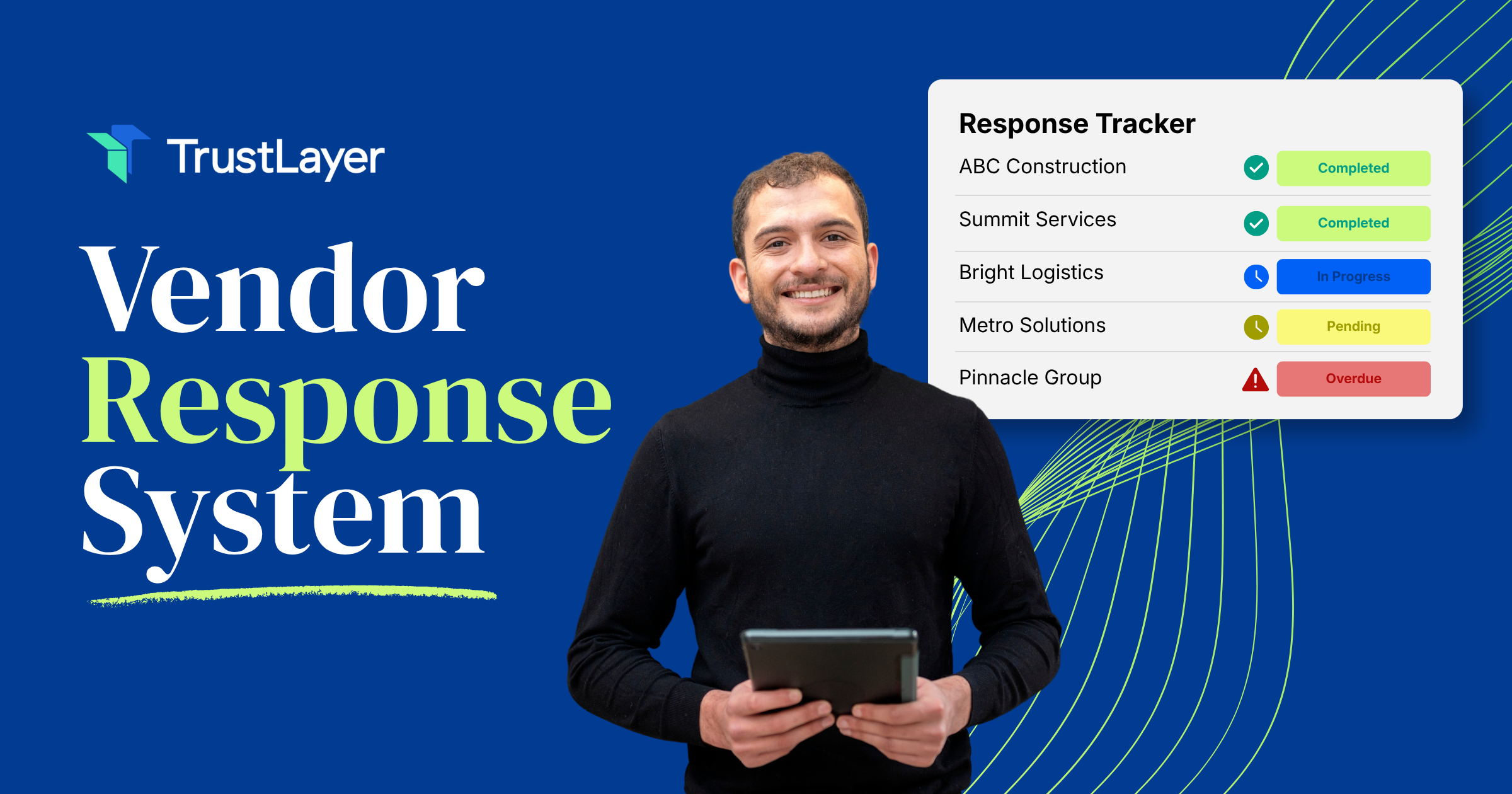
Automation extends beyond display to action. When a vendor's insurance certificate approaches expiration, automated systems can trigger renewal requests without human intervention. When training deadlines approach, reminder sequences ensure completion before gaps appear in audit records.
Identifying and Mitigating Emerging Institutional Risks
Compliance with existing regulations represents the floor, not the ceiling. Forward-thinking institutions also monitor emerging risks that haven't yet crystallized into regulatory requirements.
Cybersecurity Threats in Higher Education and K-12
Educational institutions have become prime targets for cyberattacks. Ransomware groups specifically target schools because they hold sensitive data and often lack sophisticated defenses. The FBI and CISA have issued multiple warnings about attacks timed to coincide with academic calendar pressure points.
Higher education faces particular exposure through research data, intellectual property, and connections to federal research networks. A breach affecting research systems can trigger export control violations, grant compliance issues, and reputational damage that affects future funding.
K-12 districts confront different but equally serious threats. Student records contain information valuable for identity theft. Operational technology controlling building systems creates physical safety risks. Limited IT budgets mean security often depends on a handful of overworked staff members.
Real-time visibility into security posture requires monitoring beyond traditional perimeter defenses. Institutions need awareness of:
- Credential exposure from third-party breaches
- Vulnerability status across all connected systems
- User behavior anomalies suggesting compromised accounts
- Vendor security practices affecting institutional data
Managing Third-Party Vendor and EdTech Risks
The explosion of educational technology has created unprecedented third-party risk. A typical university might use hundreds of software applications, each of which could represent a potential compliance gap. Vendor contracts signed years ago may not reflect current regulatory requirements or security standards.
Vendor risk management requires ongoing monitoring, not just initial due diligence. A vendor's security posture can deteriorate after contract signing. Ownership changes, financial difficulties, or strategic pivots can affect service quality and compliance commitment. Institutions need systems that flag changes in vendor risk profiles.
Insurance verification is a critical but often-neglected component of vendor management. Contracts may require vendors to maintain specific coverage levels, but institutions rarely verify compliance beyond initial documentation. When incidents occur, discovering that a vendor's insurance lapsed months ago provides no comfort.
Centralizing vendor oversight while distributing operational management creates the right balance. Central risk teams set standards and monitor compliance; department heads manage day-to-day vendor relationships within those guardrails.
Building a Sustainable Culture of Proactive Risk Management
Technology enables continuous monitoring, but culture determines whether institutions actually use it. Sustainable compliance requires embedding risk awareness throughout the organization.
Training Faculty and Staff on Compliance Best Practices
Compliance training too often consists of annual click-through modules that staff complete without engagement. This checkbox approach satisfies audit requirements while failing to change behavior. Effective training connects regulatory requirements to daily work in ways that feel relevant rather than bureaucratic.
Role-specific training proves more effective than generic compliance overviews. Faculty members need to understand FERPA as it applies to classroom discussions and grade posting, not as abstract legal requirements. Financial aid counselors need scenario-based training on verification procedures. Facilities staff need practical guidance on safety documentation.
Training should also address the "why" behind requirements. Staff who understand that FERPA protections exist because students have legitimate privacy interests approach compliance differently than those who see it as arbitrary rules. Aligning regulations with institutional values fosters intrinsic motivation for compliance.
Ongoing reinforcement matters more than initial training. Brief reminders, scenario discussions, and recognition of good compliance practices keep awareness current. When staff members identify and report potential issues before they become problems, celebrate those catches publicly.
Leveraging Technology to Future-Proof Your Institution
Technology investments should position institutions for regulatory changes, not just current requirements. Flexible systems that can adapt to new reporting obligations provide better long-term value than rigid solutions optimized for today's rules.
Data architecture decisions made now will constrain or enable future compliance capabilities. Institutions that maintain clean, well-organized data can respond to new requirements quickly. Those with fragmented, inconsistent records will struggle regardless of what software they purchase.
The shift from reactive to proactive compliance represents a fundamental change in how institutions approach risk. Rather than treating audits as threats to be survived, forward-thinking schools view them as opportunities to demonstrate institutional integrity. Real-time visibility makes this mindset shift possible.
Stopping audit fire drills isn't about working harder during crunch time. It's about building systems and cultures that make compliance a natural outcome of daily operations. Institutions that achieve this transformation free resources for their actual mission while building stronger relationships with regulators and accreditors.
For institutions managing complex vendor relationships and insurance verification requirements, modern tools can automate much of the manual work that currently consumes staff time. TrustLayer offers a purpose-built platform for tracking certificates of insurance and compliance documents across vendor networks. If you're ready to move beyond spreadsheets and email chains, explore other TrustLayer articles for practical guidance, or book a consultation with their team to discuss your institution's specific needs.
You might also like