Your Compliance Data Model: Foundations for Scale

Every compliance team reaches a breaking point. Maybe it's the moment you realize your "system" is actually 14 spreadsheets maintained by three different people, none of whom use the same naming conventions. Or maybe it's when a claim hits, and you spend 72 hours scrambling to locate a certificate of insurance that may or may not exist somewhere in an email thread from 2024. The gap between tracking compliance documents and actually managing compliance data is enormous, and it costs organizations real money, real exposure, and real credibility with stakeholders.
Building a compliance data model that supports growth isn't about buying new software or hiring more coordinators. It's about rethinking how your organization structures, validates, and acts on the information buried inside every COI, endorsement, and policy document that crosses your desk. The foundations you lay now determine whether your compliance program becomes a strategic asset or remains an expensive administrative exercise that crumbles the moment you try to scale.
What follows is a practical look at how to get this right, drawn from the patterns that separate organizations running real compliance programs from those performing compliance theater.
The Shift from Static Records to Dynamic Data Models
Most organizations don't start with a data model. They start with a filing cabinet, then a shared drive, then a spreadsheet, then maybe a basic database. Each transition carries forward the same fundamental problem: the information is stored as static records rather than structured, queryable, interconnected data.
A static record tells you that Vendor X submitted a COI on March 15. A dynamic data model tells you that Vendor X's general liability coverage expires in 22 days, that their limits fall $500,000 short of your contractual requirements for high-risk projects, and that three other vendors on the same project have the same carrier, creating a concentration risk you hadn't considered. The difference isn't cosmetic. It's the difference between a car with an engine and a car you can actually drive.
The shift requires you to stop thinking about compliance documents as files to be stored and start thinking about them as data to be parsed, normalized, and connected. Every COI contains structured information: policy numbers, effective dates, coverage types, limits, additional insured endorsements, and carrier names. When that information is stored in a PDF on a shared drive, it's practically worthless for decision-making. When it lives inside a data model with defined relationships, it becomes the foundation for real risk intelligence.
Why Manual Tracking Fails at Scale
Manual tracking works fine when you have 20 vendors. It starts cracking at 200. It completely falls apart at 2,000. The math is unforgiving: if each vendor relationship requires tracking six to eight data points across multiple coverage lines, and those data points change at least annually, you're looking at tens of thousands of data transactions per year even for a mid-sized operation.
Here's what actually happens in practice. A coordinator receives a COI, glances at it, checks a box, and files it. Maybe they notice the limits. Maybe they don't catch that the additional insured language doesn't match your contractual requirements. Maybe the certificate was issued three months ago, and the policy has already been modified. There's no validation, no cross-referencing, no systematic way to catch gaps until something goes wrong.
The failure mode is always the same: fragmented visibility. Project managers track their vendors. Site leads track theirs. The central risk team gets periodic reports that are already outdated by the time they arrive. Coverage gaps hide in the seams between teams, invisible until a claim forces everyone to look.
Scale doesn't just amplify these problems. It makes them structurally impossible to solve with manual processes. You can't hire your way out of a data architecture problem.
Defining the Core Components of Compliance Data
Before you can build anything useful, you need to define what "compliance data" actually means for your organization. This isn't as obvious as it sounds, because most teams conflate document management with data management.
The core components typically include:
- Entity data: who are your vendors, subcontractors, tenants, or partners, and how do they relate to your projects, locations, or contracts?
- Coverage data: what types of insurance do they carry, and what are the limits, deductibles, and endorsements?
- Requirement data: what does each contract or project actually require in terms of coverage types, minimum limits, and specific endorsements?
- Temporal data: when does each policy start, expire, and when was coverage last verified?
- Relationship data: which entities share carriers, which projects share vendors, and where do dependencies create concentration risk?
The mistake most teams make is treating these as separate concerns. Your data model needs to connect them. A vendor's coverage data is meaningless without the requirement data that tells you whether it's sufficient. Temporal data without automated alerts is just a ticking clock nobody's watching.
Getting these components defined and structured is the foundational work that makes everything else possible: automation, reporting, proactive risk management, all of it.
Architecting for Interoperability and Accuracy
A compliance data model that only works within a single system or team's workflow is a silo with better formatting. The real value emerges when your compliance data can talk to other systems: your procurement platform, contract management tools, project management software, and ERP.
This means thinking about interoperability from the start, not as an afterthought. How will compliance status flow into procurement decisions? How will contract requirements automatically populate your compliance tracking? How will project managers see real-time vendor compliance status without logging into a separate system?
The organizations getting this right are the ones that treat compliance data as enterprise data rather than departmental data. They design their models with standardized fields, consistent taxonomies, and clear APIs or integration points. They recognize that a compliance data model built in isolation will inevitably become another silo, no matter how well-designed it is internally.
Standardizing Insurance Certificate Metadata
Here's a problem that sounds boring but causes enormous downstream damage: inconsistent metadata. One coordinator enters "General Liability," while another enters "GL," and a third enters "Commercial General Liability." One records the limit as "$1,000,000" and the other as "1M." Carrier names get abbreviated differently across records.
These inconsistencies make your data practically unusable for reporting, analysis, or automation. You can't run a query to find all vendors with general liability limits below $2 million if the field values aren't standardized.
Standardization means establishing controlled vocabularies for coverage types, carrier names, and endorsement descriptions. It means defining consistent formats for monetary values, dates, and policy numbers. It means building validation rules that reject non-conforming entries rather than letting them pollute your dataset.
This is tedious work, and nobody wants to do it. But it's the difference between a database you can actually query and a digital junk drawer that happens to live in a cloud application. Every hour spent on standardization now saves dozens of hours of manual reconciliation later, especially as your vendor count grows past the hundreds.
Automating Data Validation Workflows
Once your metadata is standardized, automation becomes possible, and it becomes necessary. Manual validation doesn't just fail at scale; it fails at accuracy. Human reviewers miss things. They get fatigued. They develop shortcuts that introduce systematic blind spots.
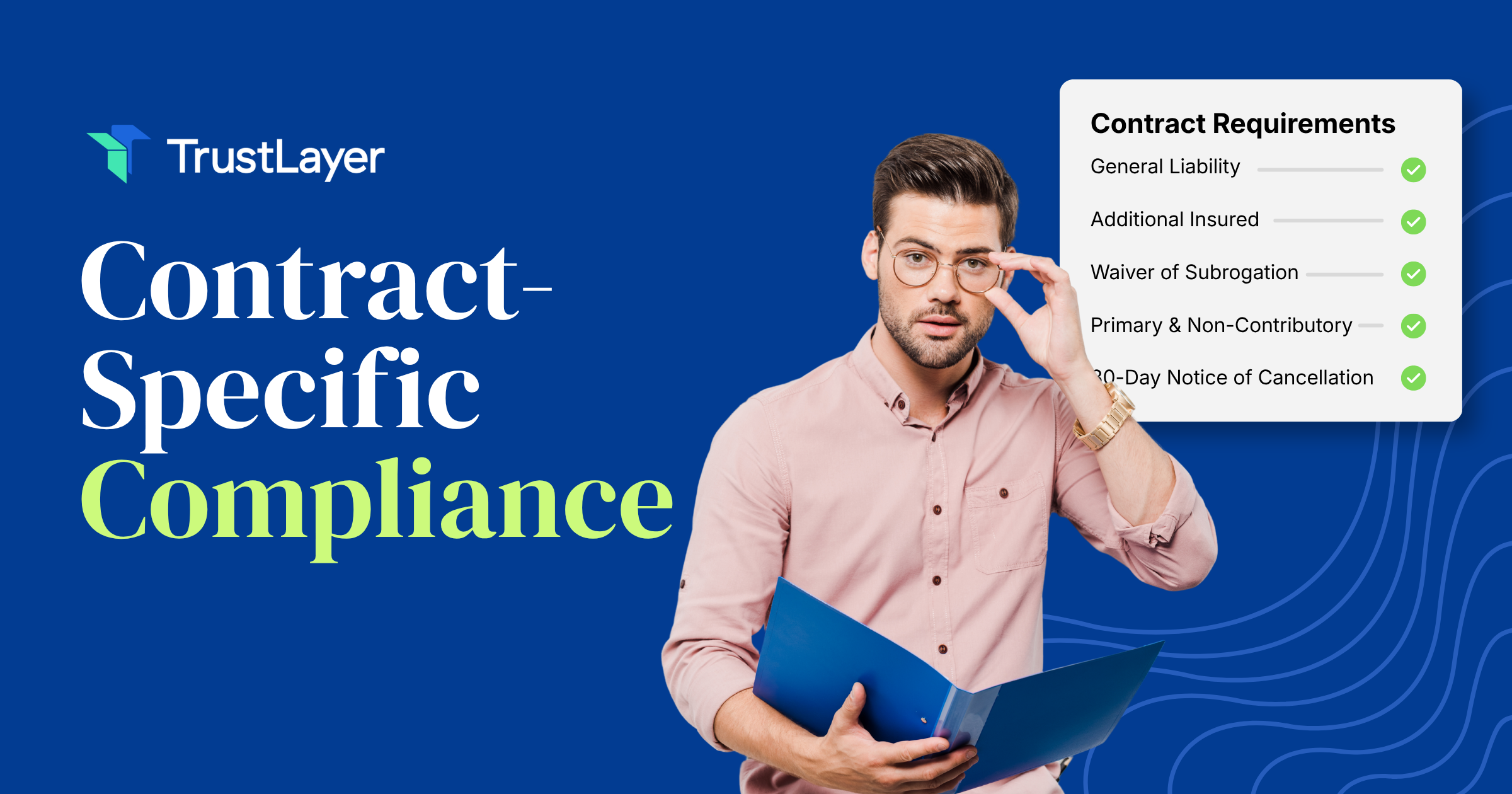
Automated validation workflows should handle several layers of checking. First, structural validation: does the submitted document contain all required fields? Second, compliance validation: do the coverage types, limits, and endorsements meet the contractual requirements for this specific vendor relationship? Third, temporal validation: is the coverage current, and are renewal deadlines being tracked and flagged?
The goal isn't to remove humans from the process entirely. It's to let automation handle the 80% of validations that are straightforward, so your team can focus their expertise on the 20% that require judgment: unusual endorsement language, coverage questions that need broker consultation, risk decisions that require context a machine can't provide.
A good validation workflow also creates an audit trail. Every check, every flag, every override gets logged. When a regulator or an auditor asks how you verified a particular vendor's coverage, you have a clear, timestamped record rather than a vague assurance that "someone looked at it."
Leveraging Real-Time Insights for Risk Mitigation
Static reports delivered quarterly are a relic of a compliance model that assumed risk was equally static. In reality, your risk profile changes every time a vendor's policy lapses, a new subcontractor comes on board, or a project scope changes. If your compliance data only gets reviewed periodically, you're flying blind between reviews.
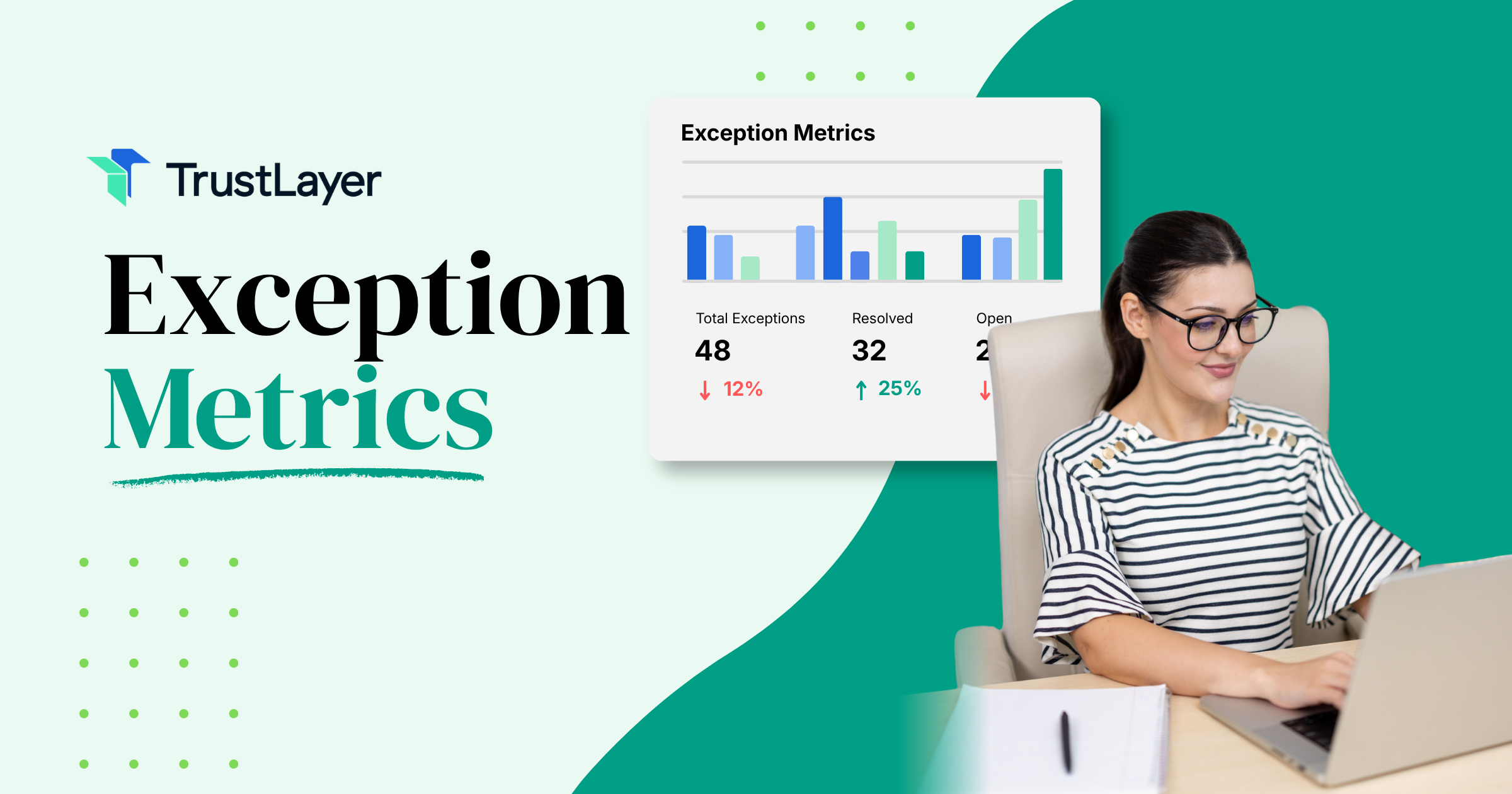
Real-time insights don't mean someone staring at a dashboard all day. They mean automated alerts when coverage gaps appear, live compliance scores that update as documents are received and validated, and exception reports that surface the 5% of vendor relationships that need immediate attention rather than burying them in a sea of compliant records.
The shift from periodic reporting to continuous awareness changes how your entire organization relates to compliance. It stops being a quarterly fire drill and becomes a constant state of informed readiness.
Moving from Reactive to Proactive Monitoring
Reactive compliance means discovering a coverage gap when a claim arrives. Proactive monitoring means knowing about it 30 days before the policy expires and having automated workflows that automatically request updated documentation.
The practical difference is staggering. Reactive organizations spend an average of 15 to 25 hours per incident scrambling to verify coverage after a loss event. Proactive organizations spend a fraction of that time because verification already happens continuously in the background.
Building proactive monitoring requires three things: reliable temporal data (you need accurate expiration dates), automated notification sequences (the system needs to contact vendors before gaps occur), and escalation protocols (when automated requests fail, someone needs to intervene before the gap becomes real exposure).
The governance model that works best here centralizes strategic oversight with your risk management team while decentralizing execution to project or site leads. Central risk sets the requirements and monitors aggregate compliance. Local teams manage the day-to-day vendor relationships and document collection. This prevents bottlenecks while maintaining consistent standards.
Building a Single Source of Truth for Stakeholders
Different stakeholders need different views of the same data. Your CFO wants to know aggregate risk exposure. Your project managers want to know which vendors on their current projects are non-compliant. Your legal team wants to verify that additional insured endorsements match contractual language. Your procurement team wants compliance status integrated into vendor onboarding.
A single source of truth doesn't mean a single report. It means a single, authoritative dataset that feeds multiple views tailored to different audiences. When the CFO's risk dashboard and the project manager's vendor list draw from the same validated, real-time data, you eliminate the contradictions and confusion that arise when different teams maintain their own records.
This is where the compliance data model becomes a genuine organizational asset rather than a departmental tool. It connects risk management to procurement, procurement to project management, and project management back to risk. The data flows in a loop rather than sitting in disconnected pools that nobody reconciles until something breaks.
Future-Proofing Your Compliance Infrastructure
Regulatory requirements change. Your vendor base grows. New project types introduce new coverage requirements. The compliance data model you build today needs to accommodate changes you can't predict yet.
Future-proofing isn't about predicting the future. It's about building flexibility into your data architecture. That means using extensible schemas that can accommodate new coverage types without restructuring your entire database. It means documenting your data model so that new team members can understand and maintain it. It means choosing tools and platforms that support integration rather than locking your data inside proprietary formats.
The organizations that struggle most with compliance at scale are the ones that built rigid systems optimized for their needs three years ago. They hardcoded specific coverage requirements, used inflexible categorization schemes, and never planned for the day their vendor count would triple or a new regulation would require tracking data they'd never collected before.
Think of your compliance data model as infrastructure, not a project. Projects have end dates. Infrastructure gets maintained, extended, and improved continuously. The investment in getting your data foundations right pays dividends every time your organization grows, enters a new market, or faces a new regulatory requirement, because the structure is already in place to absorb change.
Next Steps: Explore Resources and Expert Guidance
The gap between where most compliance programs are today and where they need to be isn't a gap in intention. Most risk managers know their current processes are fragile. They know their spreadsheets won't survive the next growth phase. What they often lack is a clear path from here to there: a practical roadmap for building the data foundations that support real compliance intelligence at scale.
Start by auditing what you actually have. Map your current data sources, identify inconsistencies, and document the manual processes that would break if your vendor count doubled tomorrow. That audit alone will clarify your priorities and reveal the structural gaps hiding beneath your current workflows.
If you're ready to move beyond manual tracking and build a compliance infrastructure that actually supports growth, TrustLayer has built its platform specifically around this problem: automating the collection, verification, and management of certificates of insurance so your team can focus on risk decisions instead of document chasing. Browse the other articles on the TrustLayer blog for deeper dives into specific compliance challenges, and set up a time to talk with our team about what a modern compliance data model could look like for your organization.
You might also like

.png)