Contractual Risk Transfer in Construction: Practical Guide (2026)
A general contractor hands you a certificate of insurance showing $2 million in coverage. The subcontractor's broker confirms everything looks good. Six months later, a worker falls through scaffolding, and you discover the additional insured endorsement was never actually added to the policy. The certificate was just a snapshot of what someone intended to do, not what actually happened.
This scenario plays out constantly across construction projects, and it exposes a fundamental truth: contractual risk transfer in construction only works when every piece actually connects. The contract language, insurance policies, endorsements, and certificates must all align perfectly. Miss one element, and you're left holding liability you thought you'd transferred away.
Most guidance on this topic stays abstract. It talks about "properly structured agreements" without explaining what that means when you're reviewing a COI at 4 PM on a Friday before a Monday project start. This guide takes a different approach. We're going to walk through what makes risk transfer requirements actually hold up when claims happen, not just look good on paper.
The difference between CRT that protects you and CRT that creates false confidence comes down to specific details most people overlook. Understanding those details is what separates risk managers who sleep well from those who get surprised by coverage gaps during the worst possible moments.
CRT in plain English (what it is / what it isn't)
Contractual risk transfer shifts financial responsibility for certain losses from one party to another through contract language and insurance requirements. The contract states, "you're responsible for this," and the insurance provides the funds to pay when that responsibility is triggered.
Here's what CRT is not: it's not a magic shield that automatically protects you because you included indemnification language in your contract. It's not a guarantee that someone else's insurance will respond just because you required certain coverage limits. It's not something you can set up once and forget about.
CRT requires active enforcement. The contract creates a legal obligation, but without properly structured insurance requirements that are actually verified, you're relying on promises without backing. Think of it like a loan with collateral versus a loan based on a handshake. Both might work out, but only one gives you something to fall back on.
The confusion often starts because people treat certificates of insurance as proof of coverage. They're not. A COI is an informational document that shows the coverage in effect at a specific point in time. It doesn't bind the insurance company to anything, and it doesn't guarantee the coverage will be there when you need it. The actual policy and its endorsements determine what's covered.
The 3 promises CRT is trying to enforce (liability, defense, payment order)
Every effective risk transfer arrangement tries to accomplish three things, and understanding these helps you evaluate whether your requirements actually achieve them.
The first promise is a liability assumption. Through indemnification language, the subcontractor agrees to be responsible for losses arising from their work. This seems straightforward until you realize that different states have different rules about how broad this assumption can be. Some states won't enforce indemnification for the indemnitee's own negligence. Others require specific statutory language. Your contract language needs to work in your jurisdiction.
The second promise is a defense obligation. This matters more than people realize. Defense costs can exceed settlement amounts in complex claims, and having someone else's insurer handle the defense saves significant money and management headaches. The key is ensuring the additional insured endorsement includes defense coverage, not just indemnity coverage. Some endorsements only kick in after a judgment, leaving you to fund your own defense.
The third promise is payment order. You want the subcontractor's insurance to respond first, before your own policies get involved. This requires proper "primary and non-contributory" language in both the contract and the insurance endorsement. Without this, insurers might share costs proportionally, which defeats the purpose of transferring risk downstream.
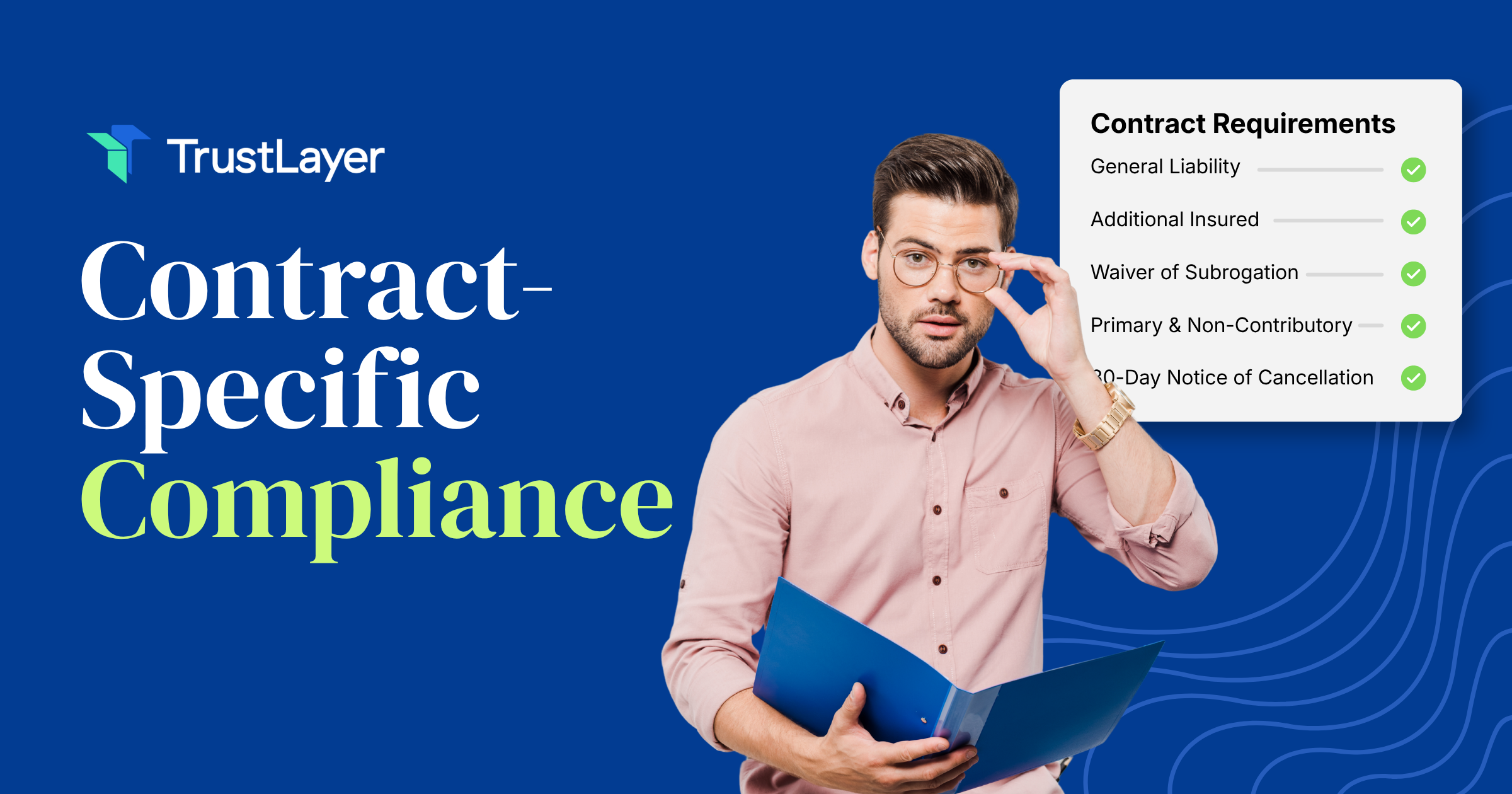
The minimum "real CRT" package (AI, P&NC, WOS, indemnity alignment, aggregates)
A functional risk transfer setup needs five components working together. Missing any one creates gaps that claim adjusters will find.
Additional insured status puts you on the subcontractor's policy as a covered party. But the endorsement form matters enormously. The ISO CG 20 10 form from 2004 provides broader coverage than the 2013 version. Older "blanket" additional insured endorsements that cover anyone required by contract often offer better protection than newer, more restrictive forms.
Primary and non-contributory wording ensures the subcontractor's coverage pays first. This needs to appear in both the contract and the endorsement. Some insurers issue endorsements that say "primary" but not "non-contributory," which can still trigger contribution arguments.
Waiver of subrogation prevents the subcontractor's insurer from coming after you to recover what they paid, even if you were partially at fault. This protects you from circular claims that can drag on for years.
Indemnity alignment means your contract language and insurance requirements match. If your contract requires indemnification for all claims arising from the subcontractor's work, but the additional insured endorsement only covers claims caused by the subcontractor's negligence, you have a gap. The insurance won't cover everything the contract requires them to cover.
Aggregate limits deserve attention because they can erode quickly. A subcontractor with a $2 million aggregate who has already had $1.5 million in claims that year only has $500,000 left for your project. Requiring dedicated project aggregates or higher limits addresses this.
Where CRT breaks in the real world (COIs, missing endorsements, contract language drift)
The most common failure point is the gap between what the certificate says and what the policy actually provides. A broker can issue a COI showing additional insured status before the endorsement is actually added to the policy. If a claim happens during that window, you might not be covered.
Missing endorsements cause the following most frequent problems. The policy might include additional insured coverage, but without the waiver of subrogation endorsement, the insurer can still pursue you. Or the primary and non-contributory endorsement wasn't added, so your insurer ends up splitting costs.
Contract language drift happens when your standard subcontract gets modified during negotiations. Someone agrees to remove the waiver-of-subrogation requirement to close a deal, but that change isn't communicated to the reviewer of certificates. The COI shows a waiver, but your contract no longer requires one, creating confusion about what's required.
Policy changes during the project also create exposure. The subcontractor may start with compliant coverage, but when their policy renews mid-project, the new policy may include different endorsement forms or reduced limits. Without ongoing verification, you won't know until a claim reveals the gap.
Sunset provisions in additional insured endorsements limit coverage to claims made within a certain period after project completion. If a defect claim surfaces three years later, the endorsement might no longer apply.
A simple CRT review workflow (who checks what, when)
Effective verification requires clear responsibility assignments and specific timing triggers. Vague processes produce vague results.
Before signing the contract, someone needs to compare the insurance requirements in the contract with what the subcontractor can obtain. This prevents situations where you require coverage that doesn't exist or costs more than the subcontract value. The person drafting contracts should coordinate with the person who handles insurance verification.
Before work begins, verify that compliant coverage is in place. This means reviewing actual endorsement language, not just accepting a certificate at face value. Request copies of the additional insured endorsement, waiver of subrogation endorsement, and primary and non-contributory endorsement. Compare the language against your contract requirements.
At policy renewal dates, re-verify coverage. Set calendar reminders based on policy expiration dates shown on certificates. Don't wait for the subcontractor to send updated documents; proactively request them 30 days before the expiration date.
When claims occur, immediately pull the current certificate and endorsements. Verify coverage was in place on the date of the incident. Notify the subcontractor's insurer of your additional insured status and tender the claim. Document everything in writing.
Quarterly audits of your active subcontractor files catch gaps before claims expose them. Pull a sample of files and verify that certificates are current and endorsements match requirements.
What to document so audits don't turn into archaeology
Documentation practices determine whether you can prove compliance years after a project ends. Construction defect claims can surface a decade after completion, and you need records that survive that timeline.
Keep copies of the actual endorsements, not just certificates. Certificates prove nothing in coverage disputes. The endorsement language determines whether you're covered. Store these in a searchable system tied to the subcontractor and project.
Maintain a log of verification activities that records who reviewed which documents and when. This demonstrates you had a process and followed it, which matters if questions arise about whether you exercised reasonable care in selecting and monitoring subcontractors.
Preserve contract execution records, including all amendments and change orders. If insurance requirements changed during the project, you need to show what was required at each point.
Document any exceptions or deviations from standard requirements. If you accepted lower limits or waived certain endorsements, note why and who approved it. This prevents future confusion about whether a gap was intentional or an oversight.
Retain records for at least the statute of repose in your state, plus a buffer. In many states, that's 10-12 years for construction defects. Digital storage makes long-term retention practical.
Quick FAQ
What if a subcontractor can't get the required endorsements? You have three options: find a different subcontractor, adjust your requirements to what's available, or accept the risk and price it into the contract. The worst choice is proceeding without addressing the gap.
Do certificates of insurance provide any protection? They provide notice of the coverage in effect when issued. If the certificate lists you as an additional insured and the insurer later denies coverage, the certificate may support an estoppel argument. But this is litigation, not insurance, and outcomes vary by jurisdiction.
How often should we verify subcontractor coverage? At minimum: before work starts, at each policy renewal, and when claims occur. High-risk projects or subcontractors warrant more frequent checks.
What's the difference between additional insured and named insured? Named insureds have full policy rights and obligations. Additional insureds have limited coverage rights, typically only for claims arising from the named insured's work. Additional insureds usually can't modify the policy or receive cancellation notices directly.
Can we require coverage that exceeds what's commercially available? You can require anything, but if it doesn't exist or costs prohibitively, you'll either get non-compliant certificates or no subcontractors willing to bid. Requirements should reflect actual market availability.
Managing all these moving pieces manually becomes overwhelming as your subcontractor count grows. Tracking certificate expirations, verifying endorsement language, and maintaining documentation across dozens or hundreds of vendors requires systems designed for the task. If you're still managing this through spreadsheets and email folders, consider exploring how TrustLayer helps modern risk managers automate certificate tracking and verification. Book a demo to see how it works, and check out other TrustLayer articles for more practical guidance on construction risk management.
You might also like

.png)