Why Vendor Insurance Compliance Stays Manual in 2026
Every enterprise risk manager I've talked to this year has the same frustrated look when the topic of vendor insurance comes up. They've automated procurement. They've digitized onboarding. They've deployed AI across half a dozen back-office functions. And yet, when someone asks how they verify that a subcontractor actually carries the right coverage, the answer almost always involves a shared inbox, a spreadsheet, and someone named Karen who "just knows" which vendors are overdue.
Vendor insurance compliance remains stubbornly manual in 2026, not because the people responsible are lazy or behind the times. The reasons are structural, systemic, and surprisingly hard to fix with off-the-shelf technology. The process sits at the intersection of legal interpretation, document variability, human judgment, and organizational fragmentation. This combination resists the kind of clean automation that works so well for payroll or invoice processing.
What follows is a breakdown of the five core problems that keep COI review and vendor compliance workflows tethered to manual effort, along with a realistic picture of what progress actually looks like. If you've been wondering why your team still spends hours chasing certificates of insurance while the rest of the company runs on automation, you're not alone. The explanation is more interesting than you might expect.
The Hidden Reason Vendor Insurance Compliance Feels So Slow
The real bottleneck isn't any single step in the process. It's the fact that vendor insurance compliance sits between multiple departments, each with different priorities, different systems, and different definitions of "done."
Risk management cares about coverage limits and exclusions. Procurement cares about getting vendors approved fast so projects can start. Legal cares about indemnification language. Operations just want the work done. Each group touches the process at a different point, and none of them owns it end-to-end. The result is a workflow that looks automated on paper but runs on hallway conversations and email threads in practice.
This fragmented visibility is the hidden engine behind the slowness. A project manager in Houston might know that a roofing contractor's general liability lapsed last month. Still, the central risk team in Chicago has no idea because the information lives in a local folder nobody checks. The compliance status of any given vendor depends on which person you ask, which system they're looking at, and whether they remembered to update it after the last renewal cycle.
Speed isn't the core issue. Coordination is. And coordination problems don't get solved by making individual tasks faster. They get solved by rethinking who owns what and where information lives.
Problem 1 — Vendor Insurance Data Lives in Too Many Places
Ask a risk manager where their vendor insurance data is stored, and you'll get a pause, followed by a diplomatic answer that translates to "everywhere and nowhere." Certificates of insurance arrive via email, fax (yes, still), broker portals, and sometimes physical mail. They are saved to shared drives, uploaded to procurement platforms, attached to vendor records in ERPs, or filed in binders on someone's desk.
This scattering isn't accidental. It reflects how vendor relationships actually work across a large organization. Different business units onboard their own vendors. Regional offices have their own processes. Acquired companies bring their own systems. The central risk team inherits a patchwork of data sources that were never designed to communicate with one another.
The practical consequence is that nobody has a single, reliable view of which vendors are compliant right now. A 2025 survey by Aon found that 61% of enterprise risk managers couldn't confirm the real-time insurance status of more than half their active vendors. That number hasn't moved much in 2026. The data exists, but it's scattered across so many silos that assembling it into a coherent picture requires manual effort every single time.
Think of it like trying to take inventory of a warehouse where every aisle uses a different labeling system. The products are there. You just can't count them without walking every row yourself.
Problem 2 — COIs Are Treated Like Static Documents
Here's a fundamental gap that keeps vendor insurance compliance stuck in manual mode: most organizations treat a certificate of insurance like a one-time checkbox. Vendor submits COI during onboarding, someone reviews it, the box gets checked, and the vendor is "approved." Problem solved, right?
Not even close. A COI is a snapshot. It tells you what coverage looked like on the day it was issued. Policies get canceled—limits change. Endorsements get added or removed. A certificate that was perfectly compliant in January might be practically worthless by June if the vendor switches carriers, reduces its limits, or lets a policy lapse.
The static treatment of COIs creates an expensive illusion of compliance. The organization's records show green checkmarks across the board, but the underlying coverage may have shifted dramatically since anyone last looked. This is especially dangerous in long-term vendor relationships where the initial onboarding was thorough, but no mechanism was put in place for ongoing verification.
Real insurance document review isn't a one-time event. It's a continuous process that requires monitoring renewal dates, tracking policy changes, and re-verifying coverage at regular intervals. Most organizations know this intellectually but lack the infrastructure to do it consistently. So they default to annual spot checks, or worse, they only discover gaps when a claim hits, and the coverage they assumed existed turns out to have expired three months ago.
Problem 3 — Requirements Are Not Always Standardized
One of the trickiest aspects of vendor onboarding compliance is that insurance requirements aren't uniform. They vary by contract type, project scope, geography, regulatory environment, and risk appetite. A janitorial service provider needs different coverage than an electrical subcontractor. A vendor working on a federal project in California faces different requirements than one doing the same work in Texas.
This variability makes it nearly impossible to build a simple rules engine that catches every issue. Consider what a compliance reviewer actually evaluates when they look at a COI:
- Does the policy type match what the contract requires?
- Are the limits sufficient for this specific scope of work?
- Is the certificate holder named correctly?
- Are additional insured endorsements attached and properly worded?
- Does the policy period cover the full duration of the engagement?
- Are there exclusions that conflict with the work being performed?
Each of those questions requires judgment. The reviewer needs to understand both the insurance document and the contract it's supposed to support. They need to know that a $1 million general liability limit is fine for a landscaping vendor but dangerously low for a crane operator. They need to catch that the additional insured endorsement references the wrong entity name, a detail that could void coverage entirely during a claim.
This is why manual compliance workflows persist. The review process demands contextual knowledge that changes from vendor to vendor and contract to contract. Standardizing requirements across an entire enterprise is a multi-year governance project, not a software implementation.
Problem 4 — Follow-Up Depends on One Person Remembering
Here's where the process really breaks down in practice. Even when an organization has clear requirements and a decent review process, the follow-up mechanism is almost always a person with a calendar reminder. Someone on the risk team tracks expiration dates in a spreadsheet, sets reminders, and sends emails to vendors or their brokers when renewals come due.
This works fine when you're managing 50 vendors. It falls apart completely at 500 or 5,000. The person responsible for follow-up gets buried under other priorities. Emails go unanswered. Reminders get snoozed. Vendors who were compliant last quarter quietly slip into noncompliance, and nobody notices until someone specifically asks.
The dependency on individual memory and initiative is a single point of failure that most organizations don't recognize until it costs them. I've seen companies discover during litigation that a vendor's coverage had lapsed six months before an incident, and the only person who would have caught it was on maternity leave when the renewal notice came through.
Scaling follow-up requires moving from a synchronous model, where one person manages every interaction, to an asynchronous system that automatically sends notifications, escalations, and reminders based on dates and status changes. But building that system means first solving Problems 1 through 3: you need centralized data, dynamic tracking, and standardized requirements before automated follow-up makes any sense. Skip those steps, and you're just automating chaos.
Problem 5 — Audit Readiness Comes Too Late
Most organizations discover the true state of their vendor insurance compliance only when an auditor, client, or regulator asks for proof. That's the moment when the fire drill begins: risk teams scramble to pull certificates, verify dates, confirm coverage, and fill gaps that should have been caught months ago.
This reactive pattern, treating audit readiness as an event rather than a constant state, is both expensive and risky. The scramble itself costs real money in staff hours and expedited broker requests. Worse, it often reveals gaps that can't be closed retroactively. If a vendor was non-compliant during a period when an incident occurred, no amount of last-minute paperwork changes can change that fact.
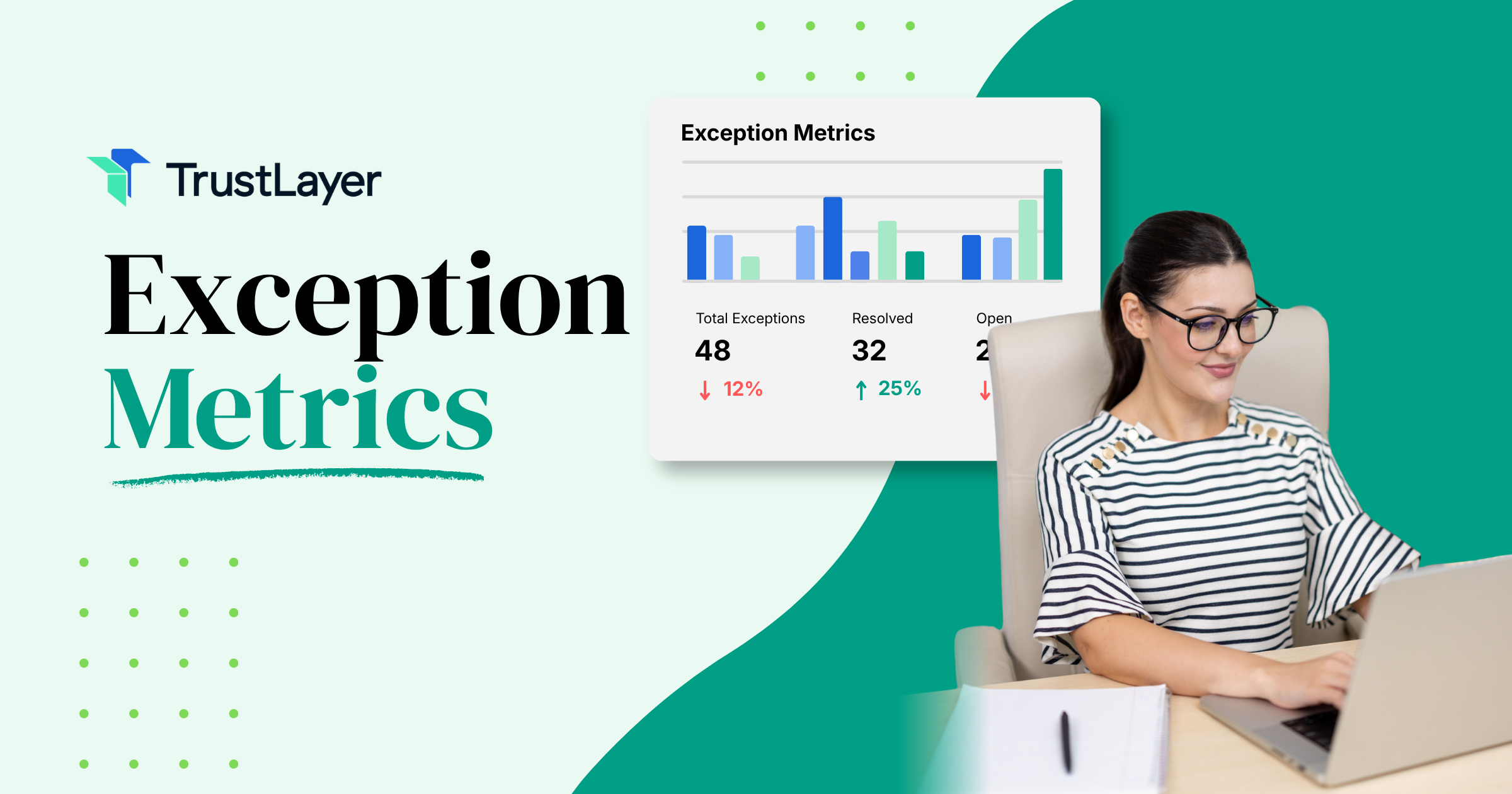
The shift from periodic fire drills to continuous awareness is one of the biggest mindset changes in enterprise vendor management. It requires dashboards that show real-time compliance status, not quarterly reports. It requires exception-based workflows in which the default assumption is compliance, and the system flags deviations rather than requiring someone to manually confirm that every vendor remains covered.
Few organizations have fully made this transition. The ones that have didn't get there by buying a single tool. They got there by centralizing control of insurance requirements at the risk management level while decentralizing execution to project and site leads who manage day-to-day vendor relationships. That governance model, centralizing strategy while distributing tactical work, is the organizational prerequisite that most compliance automation projects skip.
What a Better Vendor Insurance Compliance Process Looks Like
A realistic picture of improvement doesn't involve eliminating manual work. It involves reducing the manual work to the parts that actually require human judgment and automating everything else.
The foundation is a single source of truth for vendor insurance data. Every COI, every requirement, every expiration date, every follow-up action lives in one place that everyone with a stake in the process can access. This eliminates the scavenger hunt that currently eats up hours of staff time.
On top of that foundation, the process needs three things:
- Dynamic tracking that treats certificates as living documents, not static files, with automatic alerts when policies approach expiration or when coverage changes are detected.
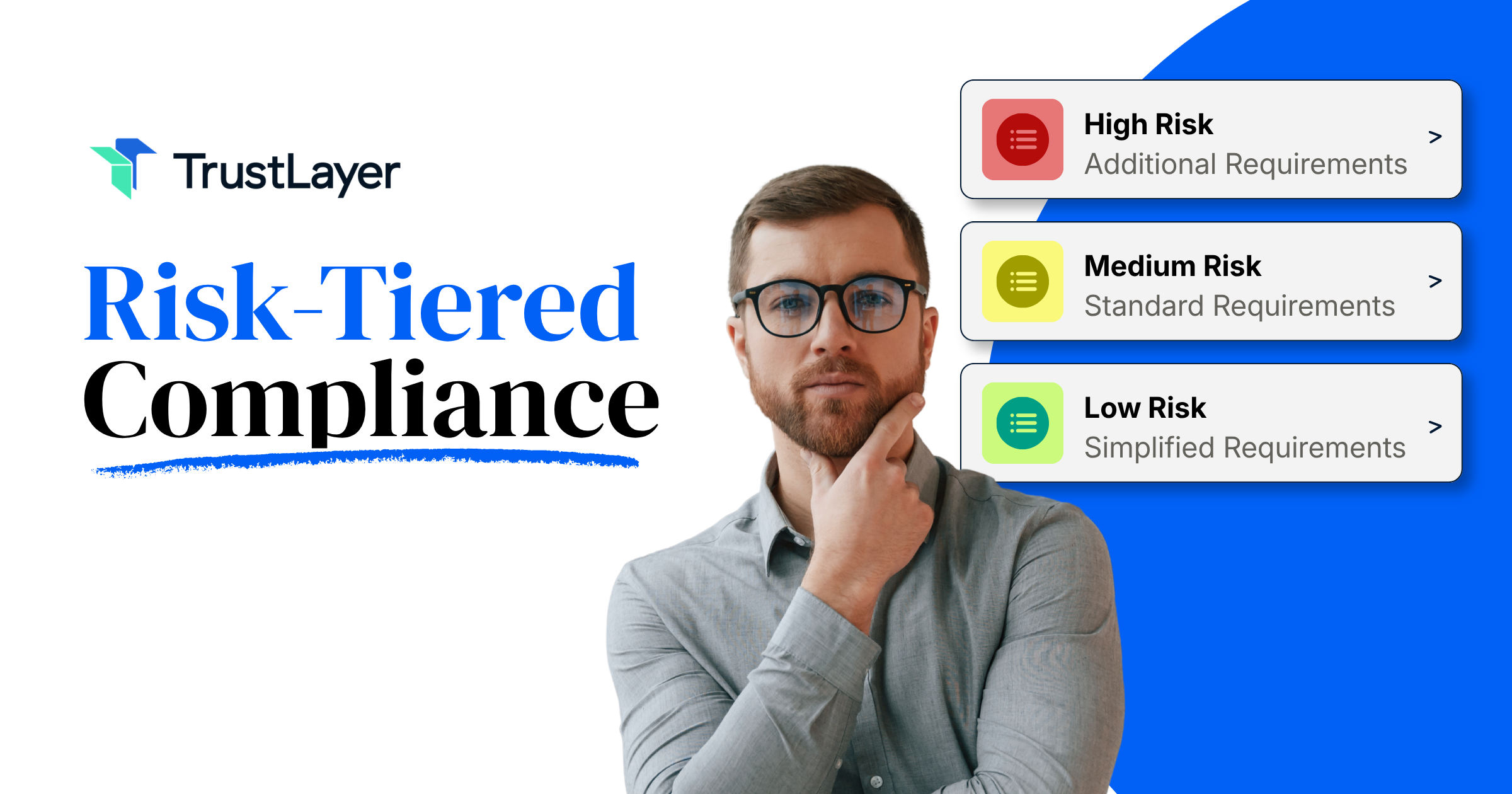
- Tiered review workflows that route simple renewals through automated checks while flagging complex or high-risk vendors for human review. Not every COI needs the same level of scrutiny.
- Continuous compliance visibility through dashboards that show the current state of the vendor portfolio at any moment, not just during audit season.
The human element doesn't disappear. Experienced reviewers still need to evaluate unusual endorsements, interpret ambiguous policy language, and make judgment calls about whether a vendor's coverage actually matches the risk. But those reviewers should be spending their time on the 20% of cases that genuinely require expertise, not on the 80% that involve chasing down a standard renewal from a low-risk vendor.
Getting to this state requires building structural foundations first: governance, data architecture, standardized requirements, and clear ownership. The technology comes after the organizational work, not before it.
Final Takeaway
Vendor insurance compliance stays manual in 2026 because the problem is genuinely hard. It spans multiple departments, involves documents that change constantly, requires contextual judgment, and depends on coordination across organizations that were never designed to share information smoothly. The companies making real progress aren't the ones chasing full automation. They're the ones doing the unglamorous work of centralizing data, standardizing requirements, and building governance structures that make intelligent automation possible down the road.
If your team is still stuck in the fire-drill cycle of chasing COIs and hoping for the best between audits, the first step isn't buying software. It's understanding where your process actually breaks down and fixing the structural gaps that keep it manual. TrustLayer has built its platform specifically around this problem, helping risk teams move from reactive certificate chasing to continuous compliance awareness. If you're ready to see what that shift looks like for your organization, book a demo and talk to their team. And if you want to keep learning, check out the other articles on the TrustLayer blog for practical guidance on COI management, vendor risk, and building a compliance process that doesn't depend on Karen's memory.
You might also like
.png)