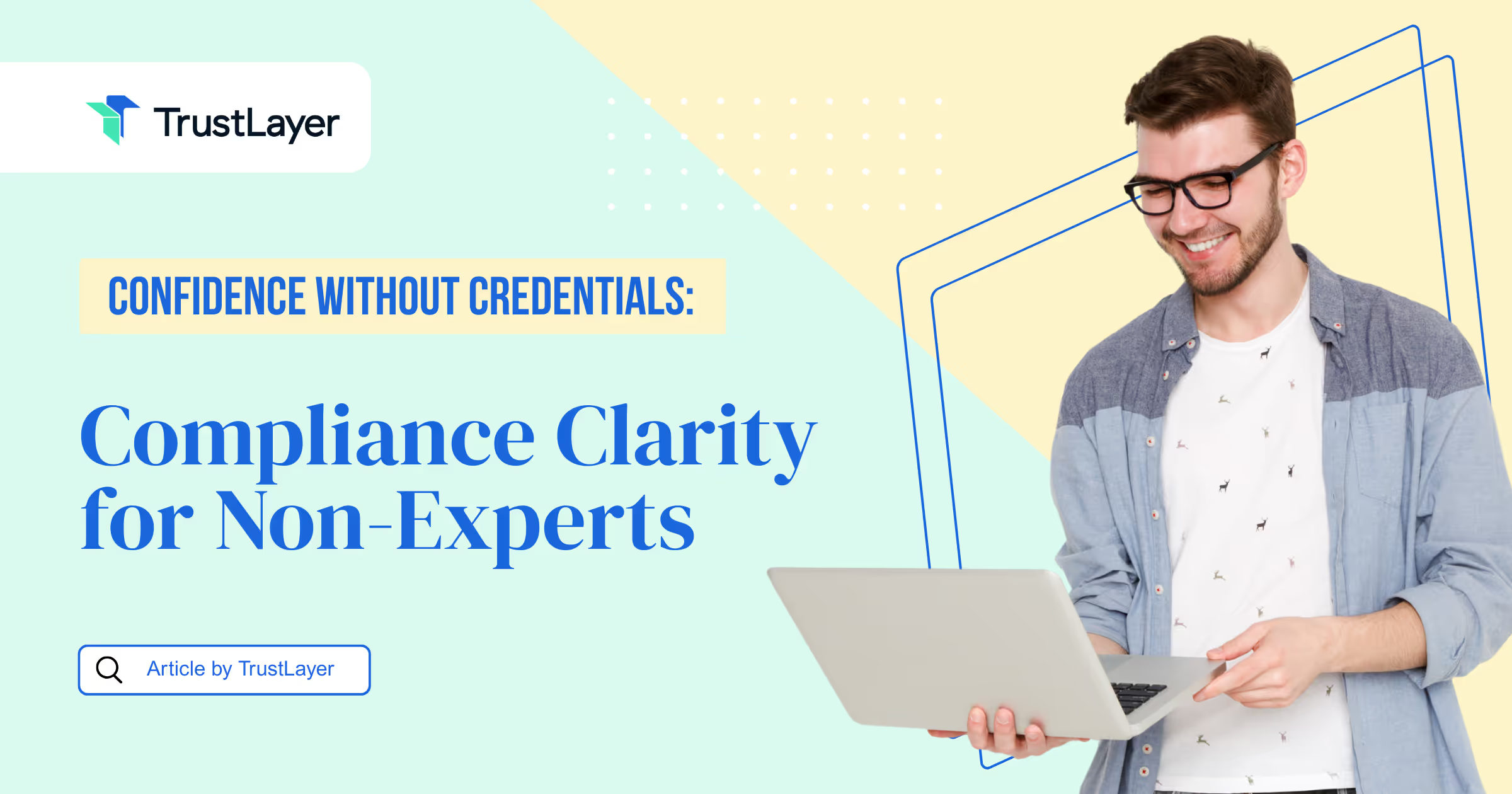
Confidence Without Credentials: Compliance Clarity for Non-Experts
Imagine you’re handed a thick folder labeled “Compliance Documents” and asked to make sense of it all. No legal degree, no insurance background, just you and a mountain of jargon. It’s a scenario many professionals face, especially when dealing with certificates of insurance (COIs) and regulatory requirements. The stakes? High. Missteps can lead to costly fines, project delays, or worse, financial exposure.
But here’s the good news: you don’t need to be an expert to navigate compliance confidently. Understanding the essentials, knowing where to look, and when to ask for help can make all the difference. This article breaks down compliance in a way that’s approachable, practical, and, most importantly, useful.
Decoding Compliance: What You Really Need to Know
Compliance Isn’t Just a Buzzword
Compliance refers to adhering to rules, standards, or laws established by authorities or industry groups. It may sound straightforward, but the reality is often more complex. Different industries have different requirements. Construction projects may require specific insurance coverage, while healthcare organizations must comply with privacy regulations such as HIPAA. Understanding what applies to your situation is the first step.
For many businesses, compliance primarily involves managing risk. Are you protected if something goes wrong? Certificates of insurance (COIs) are a standard tool here—they prove that a contractor or vendor carries the necessary insurance. But a COI is only as good as your understanding of what it covers.
Why COIs Matter More Than You Think
Certificates of insurance are often treated like a checkbox item: get it, file it, forget it. That’s a mistake. A COI is a snapshot of a vendor’s insurance policies at a specific moment in time. It shows coverage types, limits, and policy dates. But it doesn’t guarantee ongoing coverage or compliance with your contract terms.
Consider this: a 2023 survey by the Risk and Insurance Management Society found that 60% of organizations experienced gaps in vendor insurance coverage due to expired or inadequate COIs. That’s a lot of risk flying under the radar. Knowing how to read a COI and verify its validity can save your company from unexpected liabilities.
Moreover, the implications of non-compliance can extend beyond immediate financial repercussions. They can damage your reputation and erode trust with clients and partners. In today’s interconnected business environment, stakeholders are increasingly scrutinizing compliance as part of their due diligence. A single incident can lead to a loss of business, legal battles, and even regulatory fines. Therefore, it’s essential to foster a culture of compliance within your organization, ensuring that all team members understand the importance of adhering to industry standards and maintaining up-to-date documentation.
Additionally, technology plays a crucial role in facilitating effective compliance management. There are numerous software solutions available that can automate the tracking of COIs, alerting you when they are about to expire and providing a centralized location for all compliance documents. This not only streamlines the process but also enhances your ability to respond quickly to any compliance-related inquiries. By leveraging technology, businesses can mitigate risks associated with vendor management, ensuring that they are always one step ahead in maintaining compliance.
Common Compliance Pitfalls for Non-Experts
Misreading Insurance Terms
Insurance language is notoriously dense. Terms like “additional insured,” “waiver of subrogation,” and “aggregate limits” can be confusing even to seasoned professionals. Misinterpreting these can lead to insufficient coverage or disputes after an incident.
For example, “additional insured” status means your company is covered under the vendor’s policy for specific claims. Without this, you might have to rely on your own insurance, which could be costly. Understanding these nuances is critical. Furthermore, the implications of misreading these terms extend beyond immediate financial concerns; they can also affect your company's reputation and relationships with clients and partners. A misunderstanding could result in a claim being denied, leaving your business vulnerable and potentially damaging your industry credibility.
Ignoring Renewal Dates and Policy Changes
COIs have expiration dates. A vendor’s insurance might be valid today but expire tomorrow. Without a system to track renewals, companies can unknowingly work with uninsured partners. This is a common compliance failure.
Insurance policies can also change mid-term. Coverage limits might be reduced or exclusions added. Regularly reviewing COIs and communicating with vendors ensures you catch these changes early. Additionally, implementing a proactive approach to tracking these dates, such as using automated reminders or dedicated compliance software, can significantly reduce the risk of lapses in coverage. This not only protects your organization but also fosters a culture of accountability and diligence, which can enhance overall operational efficiency.
Overlooking Regulatory Requirements
Different industries and jurisdictions have unique compliance demands. For instance, construction projects often require specific workers’ compensation and general liability coverage. Healthcare providers must comply with privacy regulations that impact vendor contracts and agreements.
Failing to align insurance requirements with these regulations can lead to fines or legal challenges. Non-experts might not realize that a standard COI doesn’t always meet regulatory standards. Moreover, staying informed about changes in legislation is crucial, as these can evolve rapidly and may introduce new compliance obligations. Engaging with industry associations or legal advisors can provide valuable insights and resources, ensuring that your organization remains compliant and well-prepared to navigate the complexities of regulatory landscapes. This vigilance not only safeguards your business but also positions it as a trustworthy entity in the eyes of clients and stakeholders.
Strategies for Building Compliance Confidence
Start with a Checklist
Creating a simple checklist tailored to your industry and project needs can demystify compliance. Include key insurance types, minimum coverage limits, required endorsements, and renewal tracking dates. This approach turns an overwhelming folder into manageable steps.
Checklists also help standardize the review process, reducing errors and omissions. They serve as a communication tool when discussing requirements with vendors or internal teams. By ensuring that everyone is on the same page, checklists foster collaboration and accountability. Additionally, consider incorporating a section for notes or comments, allowing team members to document any unique considerations or challenges encountered during the compliance process. This not only aids in future projects but also builds a knowledge base that can enhance overall compliance strategies.
Leverage Licensed Insurance Professionals
When in doubt, consult with experts. Licensed insurance professionals bring years of training and experience to the table. They can interpret COIs, identify coverage gaps, and advise on industry-specific requirements.
TrustLayer’s licensed insurance professionals, for example, offer guidance that is clear and concise, without the use of jargon. They help non-experts understand what’s essential and what’s negotiable, making compliance less intimidating. Furthermore, these professionals can offer valuable insights into emerging trends and regulatory changes that may affect your industry. By staying informed about the latest developments, you can proactively adjust your compliance strategies, ensuring that your organization remains ahead of the curve and minimizes potential liabilities.
Use Technology Wisely
While this article doesn’t dive into specific software, it’s worth noting that many organizations use digital tools to manage COIs and compliance workflows. These tools can automate reminders, flag missing documents, and centralize information for efficient management.
Technology alone isn’t a silver bullet, but combined with human expertise, it can streamline compliance and reduce risk. For instance, utilizing cloud-based platforms allows for real-time collaboration among team members, ensuring that everyone has access to the most up-to-date information. Additionally, many of these tools offer analytics features that help identify patterns in compliance issues, enabling organizations to address the root causes rather than just the symptoms. By harnessing the power of technology in conjunction with skilled professionals, businesses can establish a robust compliance framework that not only meets current standards but also anticipates and adapts to future challenges.
Real-World Examples: Learning from Mistakes and Successes
When Compliance Falls Short
A mid-sized construction firm once hired subcontractors without thoroughly verifying their insurance coverage. A workplace accident occurred, and the subcontractor’s insurance had lapsed. The general contractor faced a lawsuit that cost hundreds of thousands of dollars—money that could have been saved with proper Certificate of Insurance (COI) verification. This incident not only depleted the firm's financial resources but also tarnished its reputation in a competitive industry, making it more difficult to secure future contracts.
Stories like this highlight the importance of vigilance. Compliance is not just paperwork; it’s risk management in action. The fallout from such oversights can lead to increased insurance premiums, strained relationships with stakeholders, and a decline in employee morale. Additionally, the firm faced scrutiny from regulatory bodies, which imposed further compliance checks, creating a ripple effect that impacted their operational efficiency.
How Proactive Compliance Pays Off
On the other hand, a healthcare provider implemented a rigorous COI review process, supported by licensed insurance professionals. When a vendor’s insurance policy changed mid-contract, the provider caught it early and required updated coverage before continuing work. This proactive approach avoided potential regulatory violations and maintained patient data security, demonstrating that apparent compliance protects both business and reputation. By investing in a dedicated compliance team, the healthcare provider not only safeguarded its operations but also fostered a culture of accountability and transparency among its vendors.
This commitment to compliance extended beyond mere paperwork; it involved regular training sessions for staff on the importance of verifying insurance coverage and understanding the implications of lapses in coverage. As a result, the organization built stronger relationships with its vendors, who appreciated the diligence and clarity in expectations. This collaborative environment not only enhanced compliance but also led to improved service delivery, showcasing how proactive measures can yield dividends in both operational integrity and stakeholder trust.
Wrapping Up: Your Next Steps Toward Compliance Confidence
Compliance doesn’t require a law degree or insurance certification. It involves curiosity, attention to detail, and knowing when to ask for help. Understanding the basics of COIs, recognizing common pitfalls, and leveraging expert advice can transform compliance from a headache into a competitive advantage.
For those ready to deepen their understanding, TrustLayer offers a wealth of resources and access to licensed insurance professionals who can clarify your questions and guide your next steps. Check out other TrustLayer articles for more insights, and consider booking a consult with their insurance experts to build your compliance confidence—without the credentials.
Moreover, staying informed about the latest trends and regulatory changes in your industry is crucial. Compliance is not a one-time effort but an ongoing journey that requires vigilance and adaptability. Regularly attending workshops, webinars, and industry conferences can provide you with fresh perspectives and strategies to enhance your compliance framework. Engaging with a community of like-minded professionals can also foster collaboration and knowledge sharing, further enriching your compliance experience.
In addition, utilizing technology can significantly streamline your compliance processes. Many organizations are now adopting compliance management software that automates the tracking, reporting, and documentation processes. This not only saves time but also reduces the risk of human error. By integrating these tools into your compliance strategy, you can ensure that you remain proactive rather than reactive, allowing you to focus on your core business while maintaining a robust compliance posture.
Ready to elevate your compliance strategy and embrace the future of risk management? TrustLayer is here to revolutionize the way you handle certificates of insurance and compliance documents. Say goodbye to the administrative burden of manual processes and hello to efficiency with our cutting-edge COI tracker. Join the community of forward-thinking risk managers who are already experiencing the benefits of TrustLayer's innovative solutions. Set up a time to talk with our team and discover how we can help you build a robust compliance framework that saves time, reduces risk, and lets you focus on what matters most—your business.
You might also like



.png)