Construction 2026: Contract and Endorsement Shifts Every GC Should Watch
Picture this: It’s 2026, and you’re a general contractor (GC) navigating a construction project with a contract that looks familiar but feels fundamentally different. The language, the risk allocations, the endorsements on your insurance certificates-they’ve all evolved. Why? Because the construction industry is reshaping its approach to contracts and risk management faster than ever before. Staying ahead of these shifts isn’t just smart-it’s essential.
Why Contract Shifts Matter More Than Ever
Contracts have always been the backbone of construction projects, but the last few years have seen a surge in complexity. Supply chain disruptions, labor shortages, and new regulatory pressures have forced GCs to rethink how they negotiate and manage contracts. By 2026, these pressures will have intensified, making contract agility a must-have skill.
One major shift is the increasing emphasis on clarity around risk allocation. Traditional contracts often left grey areas that led to disputes and delays. Now, contracts are becoming more explicit about who bears what risk, especially around delays, material shortages, and unforeseen site conditions. This clarity reduces friction but also means GCs need to be more vigilant during contract review.
Another trend is the rise of collaborative contracting models. Integrated project delivery (IPD) and other partnership-focused agreements are gaining ground. These models encourage shared risk and reward, which can improve project outcomes but require a different mindset and contract language than the classic design-bid-build approach.
The Impact of Technology on Contract Language
Technology isn’t just changing how projects are built; it’s changing how contracts are written and managed. Smart contracts, powered by blockchain and AI, are starting to influence the industry. These contracts can automatically trigger payments or penalties based on real-time data, reducing disputes but also requiring GCs to understand the technology embedded in their agreements.
Even if your project isn’t using blockchain, expect contract language to include more tech-related clauses. Data privacy, cybersecurity responsibilities, and digital documentation standards are becoming standard. For GCs, this means contracts are no longer just about bricks and mortar—they’re about bytes and bandwidth too.
Moreover, the integration of project management software is reshaping how contracts are monitored throughout the project lifecycle. Tools that provide real-time updates and analytics allow GCs to track compliance with contract terms more effectively. This not only helps identify potential issues before they escalate but also fosters a culture of accountability among all stakeholders. As a result, leveraging technology for contract management is becoming a competitive advantage in the construction industry.
In addition to these advancements, the growing focus on sustainability is also influencing contract terms. As environmental regulations tighten and clients demand greener practices, contracts are increasingly incorporating sustainability clauses. These may include requirements for the use of eco-friendly materials, waste management protocols, and energy-efficient designs. GCs must now navigate these evolving requirements, ensuring that they not only meet contractual obligations but also contribute positively to the environment. This shift reflects a broader societal trend towards sustainability, making it imperative for GCs to adapt their contract strategies accordingly.
Endorsement Changes: What’s New on the Insurance Front?
Insurance endorsements have quietly become a battleground for risk management. Certificates of insurance (COIs) are no longer just formalities; they’re critical documents that can make or break a project’s financial health. By 2026, endorsements will reflect the evolving risks GCs face, especially around environmental liability, cyber risks, and subcontractor compliance.
Environmental risks are top of mind. Many states have tightened regulations around pollution, waste disposal, and site remediation. Insurance endorsements now often include pollution liability clauses that weren’t common a few years ago. GCs need to scrutinize these endorsements to ensure coverage matches project realities. Additionally, as climate change continues to affect weather patterns, GCs may face increased scrutiny of their environmental practices. This could lead to more stringent requirements from insurers, prompting GCs to adopt greener practices and invest in sustainable technologies to mitigate environmental liability risks.
Cyber risk is another area gaining traction. Construction firms increasingly rely on digital tools, making them targets for cyberattacks. Insurance endorsements are adapting, with some policies now including cyber liability coverage or requiring subcontractors to carry it. This shift means GCs must verify that everyone on the project has appropriate cyber protections in place. As the construction industry becomes increasingly interconnected through technology, the risk of data breaches and system failures increases. Therefore, GCs should not only ensure that their own systems are secure but also advocate for robust cybersecurity measures among their subcontractors, creating a layered defense against potential cyber threats.
Subcontractor Compliance and COIs
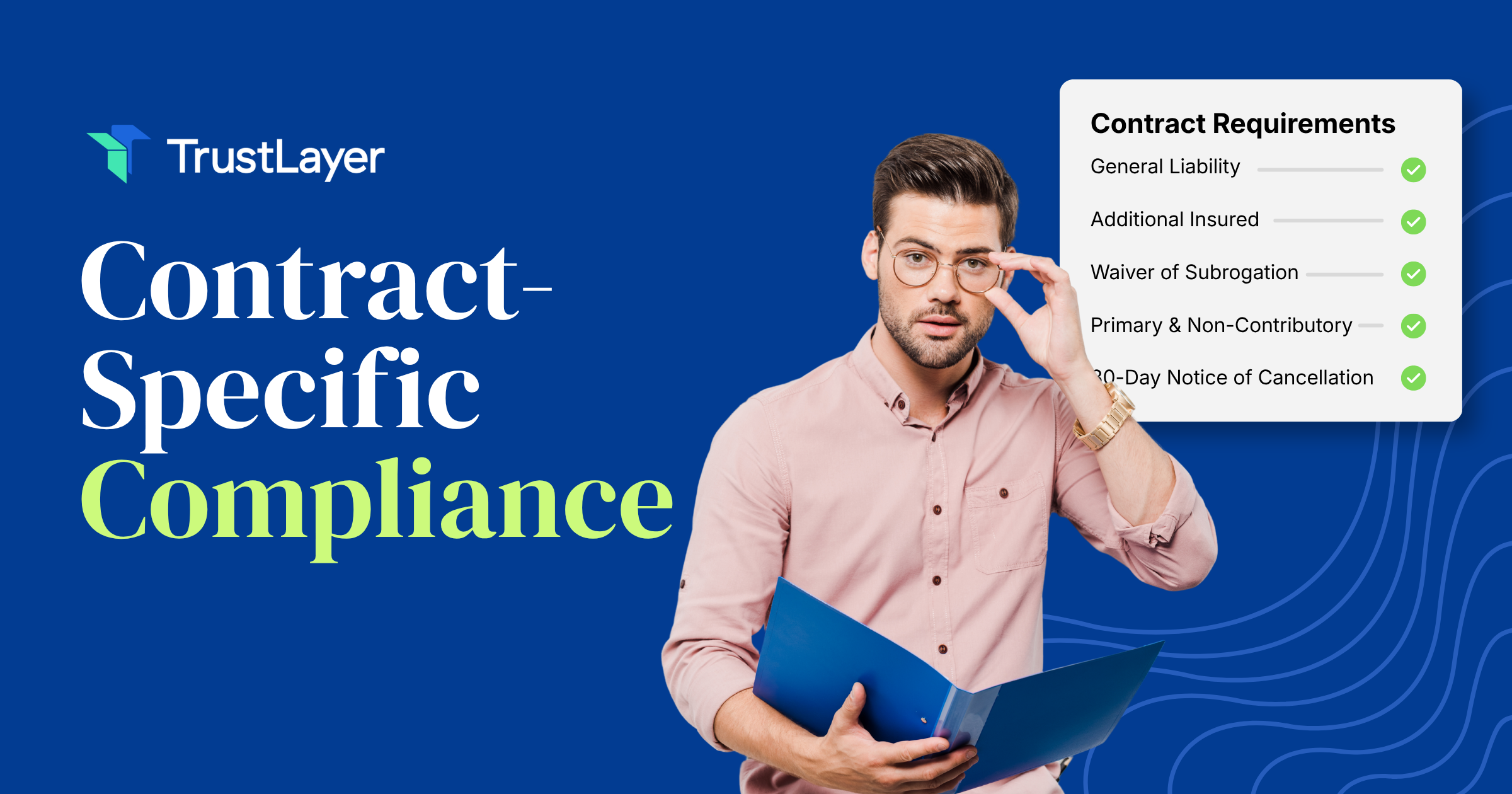
Subcontractor insurance compliance has always been tricky. But in 2026, expect endorsements to demand more detailed proof of coverage. COIs will need to be more comprehensive, showing not just limits but specific endorsements that align with the GC’s risk profile. This evolution in requirements underscores the necessity for GCs to maintain open lines of communication with their subcontractors, ensuring that everyone understands the importance of compliance and the potential ramifications of inadequate coverage.
TrustLayer’s licensed insurance professionals emphasize the importance of verifying COIs early and often. Waiting until the last minute can leave coverage gaps that expose GCs to significant liability. The trend is moving toward continuous monitoring of subcontractor insurance status, rather than one-off checks. This proactive approach not only safeguards the project but also fosters a culture of accountability among all parties involved. As the insurance landscape evolves, GCs may also find value in leveraging technology solutions that streamline the verification process, enable real-time updates, and reduce the administrative burden of managing multiple subcontractor policies.
Contractual Clauses GCs Can’t Afford to Ignore
Some contract clauses have become more critical. Force majeure, for example, has evolved beyond natural disasters to include pandemics, cyberattacks, and supply chain failures. GCs should expect more nuanced language that clarifies the triggers for relief and the responsibilities that remain. This evolution reflects a growing recognition of the interconnectedness of global markets and the myriad factors that can disrupt operations. As such, GCs must be vigilant in identifying not only traditional triggers but also emerging risks that could affect their projects, ensuring their contracts are robust enough to withstand unexpected challenges.
Indemnity clauses are also under scrutiny. Courts and regulators are pushing back against overly broad indemnity provisions that unfairly shift risk onto contractors. Contracts in 2026 will likely feature more balanced indemnity language, but GCs need to read the fine print carefully. The shift toward more equitable indemnity clauses reflects growing awareness of fairness in contractual relationships. GCs should also consider the implications of these changes for their insurance policies, as they may need to adjust coverage to align with the new contractual landscape and ensure they are adequately protected against potential liabilities.
Payment terms are another hot spot. With inflation and material costs fluctuating rapidly, contracts are including escalation clauses and more precise payment schedules. GCs must understand how these clauses affect cash flow and project timelines. Moreover, the trend of tying payment terms to specific performance milestones is gaining traction, enhancing transparency and accountability in project execution. GCs should proactively negotiate terms that not only protect their interests but also foster positive relationships with subcontractors and suppliers, as these partnerships are crucial to successful project delivery.
Dispute Resolution: Moving Toward Mediation and Arbitration
Litigation is costly and slow. More contracts are favoring mediation and arbitration as first steps in dispute resolution. These methods can save time and money, but they require GCs to be prepared with documentation and a clear understanding of the process. The rise of alternative dispute resolution (ADR) reflects a broader trend towards efficiency and collaboration in the construction industry. GCs should familiarize themselves with the advantages of ADR, including confidentiality and the ability to select arbitrators with relevant expertise, which can lead to more informed decisions and outcomes.
Some contracts now include “step clauses” that require parties to attempt mediation before moving to arbitration or litigation. Understanding these steps can prevent surprises and keep projects on track. Additionally, the use of technology in dispute resolution, such as online mediation platforms, is becoming more prevalent, enabling greater flexibility and accessibility. GCs should stay informed about these technological advancements, as they can streamline the dispute resolution process and facilitate quicker resolutions, ultimately minimizing disruptions to project timelines and budgets.
Preparing for 2026: How GCs Can Stay Ahead
Preparation is key. GCs should start by reviewing their standard contracts and insurance requirements with an eye toward these emerging trends. Engaging licensed insurance professionals, such as those at TrustLayer, can provide valuable insights into endorsement changes and COI verification processes. Regular audits of existing contracts can also uncover vulnerabilities that may not be apparent at first glance, enabling GCs to address issues before they escalate into larger problems proactively.
Training teams on new contract language and risk management practices is equally important. Everyone, from project managers to procurement officers, needs to understand the implications of these shifts. The goal is to build a culture that anticipates risk rather than reacts to it. Workshops and simulation exercises can effectively reinforce this knowledge, enabling team members to practice navigating complex scenarios and making informed decisions under pressure. This hands-on approach not only enhances understanding but also fosters a sense of ownership and accountability among the team.
Technology adoption will also be a differentiator. Digital tools that track COIs, monitor subcontractor compliance, and flag contract changes can save time and reduce errors. While the specifics of these tools vary, the trend is clear: data-driven risk management is the future. Integrating artificial intelligence and machine learning into these platforms can further enhance their capabilities, enabling GCs to predict potential risks based on historical data and current project parameters. This predictive analytics can empower GCs to make more informed decisions, ultimately leading to smoother project execution.
Building Stronger Partnerships
Finally, GCs should embrace the trend toward collaboration. Contracts that foster transparency and shared responsibility can improve project outcomes and reduce disputes. This means engaging with owners, subcontractors, and insurers early and often. Establishing regular communication channels and collaborative platforms can facilitate ongoing dialogue, ensuring that all parties are aligned on project goals and expectations. This proactive approach can significantly reduce misunderstandings and foster a sense of teamwork that extends beyond contractual obligations.
TrustLayer’s experts often highlight that insurance professionals are not just policy issuers—they’re partners in risk management. Leveraging their expertise can help GCs negotiate better contracts and endorsements tailored to each project’s unique risks. Additionally, involving these professionals in the early stages of project planning can lead to innovative solutions that address potential risks. By viewing insurance as a strategic asset rather than a mere compliance requirement, GCs can unlock new opportunities for growth and resilience in an increasingly complex landscape.
Looking Ahead: What to Watch Beyond 2026
While 2026 is just around the corner, the shifts in contracts and endorsements are part of a longer evolution. Climate change, new construction technologies like modular building and robotics, and evolving regulatory landscapes will continue to reshape risk and contract management. As the industry grapples with the impacts of climate change, we can expect more stringent regulations to reduce carbon footprints and enhance sustainability practices. This will likely drive the development of innovative materials and construction methods that prioritize environmental responsibility, which will be crucial for companies seeking to maintain compliance and public trust.
GCs who stay informed and adaptable will not only survive but thrive. The key is to treat contracts and endorsements not as static documents but as living tools that reflect the realities of modern construction. Embracing digital transformation will be essential; tools such as Building Information Modeling (BIM) and project management software can facilitate better communication and collaboration among stakeholders, ensuring everyone is aligned with the project's goals. Additionally, as the workforce evolves, upskilling employees to use these new technologies will be vital to maintaining a competitive edge.
Keep an eye on emerging insurance products tailored to new risks, and don’t hesitate to consult with licensed insurance professionals to navigate these complexities. The insurance landscape is also evolving, with new offerings that address the unique challenges posed by technological and sustainability advancements. For instance, policies that cover cyber risks associated with smart construction sites or those that provide coverage for delays caused by climate-related events are becoming increasingly relevant. As these products become available, they will be instrumental in mitigating potential financial impacts and ensuring that projects remain on track amidst unforeseen challenges.
Final Thoughts
Contracts and endorsements are no longer just paperwork-they’re strategic assets in managing risk and driving project success. The shifts coming by 2026 demand attention, understanding, and action from every GC.
For those looking to dive deeper, TrustLayer offers a wealth of articles and resources on these topics. Their licensed insurance professionals are also available for consultations to help you decode the latest changes and prepare your projects for whatever comes next.
Don’t wait until you’re caught off guard. Explore more at TrustLayer and book a consultation to get tailored advice for your unique construction challenges.
As you prepare for the evolving landscape of construction contracts and endorsements by 2026, remember that modern risk management is about leveraging technology to streamline processes and mitigate risks efficiently. TrustLayer is at the forefront, offering a best-in-class COI tracker for modern risk managers. Our platform automates the tedious tasks of document collection, verification, and management, freeing you to focus on what matters most—building success. Embrace the future of risk management and join the hundreds of thousands of companies that have already transformed their compliance workflows with TrustLayer. Set up a time to talk with our team and discover how we can help you build following practices to stay ahead in the industry.
You might also like

.png)