The First 90 Days After Go-Live: What Changes and Which Metrics Prove It

Launching a new system, platform, or process is a milestone that companies celebrate with relief and excitement. But the real story begins the moment you hit “go-live.” The first 90 days after launch aren’t just a waiting game-they’re a critical period where the initial promise of your investment either starts to materialize or falters under real-world pressure.
Understanding what changes to expect and which metrics reveal actual progress can make the difference between a smooth transition and costly setbacks. This article breaks down the key shifts that typically happen in those first three months and highlights the data points that will help you measure success with confidence.
What Actually Changes in the First 90 Days?
From Planning to Real-World Operation
Before go-live, everything exists in theory: workflows, user training, contingency plans. The first 90 days mark the transition from controlled testing environments and pilot projects to full-scale operation. This shift often uncovers gaps that weren’t obvious during development or testing. As teams move from theoretical models to practical application, the nuances of real-world interaction can lead to unexpected challenges. For instance, a seemingly straightforward data entry process might reveal data validation complexities overlooked during planning, necessitating immediate attention and adjustments.
Expect workflow adjustments as users encounter real-world scenarios that weren’t fully anticipated. For example, a new certificate of insurance (COI) management system might reveal complexities in vendor compliance that weren’t clear during the planning phase. This is when licensed insurance professionals, like those at TrustLayer, become invaluable—they help interpret these nuances and guide adjustments that keep compliance on track. Additionally, the importance of ongoing communication cannot be overstated; regular check-ins with users can help surface issues early, allowing for quicker resolutions and fostering a culture of collaboration and adaptability.
User Behavior and Adoption Patterns Emerge
Initial enthusiasm can mask underlying resistance or confusion. Over the first three months, usage data and feedback start to paint a clearer picture of adoption. Are users logging in regularly? Are they completing key tasks efficiently? If adoption lags, it’s often a sign that training needs reinforcement or the user interface requires tweaks. Monitoring user engagement metrics, such as session duration and feature usage, can provide valuable insights into how well the system is being integrated into daily workflows. This data can inform targeted interventions, such as refresher training sessions or the introduction of user-friendly guides.
In some cases, early adopters become informal champions who help spread best practices. Identifying and empowering these users early can accelerate adoption and smooth out the learning curve. These champions can serve as liaisons between the project team and end users, providing feedback and sharing success stories that motivate others to adopt the new system. Their influence can be pivotal in creating a supportive environment where users feel comfortable asking questions and sharing their experiences, ultimately leading to a more successful transition.
Operational Bottlenecks Surface
New systems often shift workload dynamics. Some teams might experience increased efficiency, while others face unexpected bottlenecks. For instance, automated COI verification might speed up one department but create a backlog in compliance review if the process isn’t fully aligned. This misalignment can lead to frustration among team members eager to see the benefits of the new system, who are hindered by unforeseen obstacles. Regularly scheduled review meetings can help teams identify these issues and brainstorm solutions collaboratively, ensuring that everyone is on the same page.
Recognizing these bottlenecks quickly allows for process refinement, resource reallocation, or additional training. The goal is to ensure the new system enhances overall productivity rather than creating new hurdles. It’s also essential to document these challenges and the solutions implemented, as this knowledge can serve as a valuable resource for future projects. By fostering a culture of continuous improvement, organizations can better adapt to changes and enhance their operational efficiency over time.
Which Metrics Prove You’re Moving in the Right Direction?
Adoption and Engagement Metrics
Tracking how many users are actively engaging with the new system is foundational. Metrics such as daily active users (DAU), task completion rates, and login frequency reveal whether the system is becoming part of routine work or just a novelty.
For example, if a COI management platform shows a steady increase in the number of certificates uploaded and verified, that’s a clear signal of growing adoption. Conversely, stagnant or declining engagement suggests deeper issues that need to be addressed. Additionally, analyzing user behavior patterns can provide insights into which features are most utilized and which may require further enhancement. By segmenting user data, organizations can tailor training and support to specific groups, ensuring that all users feel confident and capable in navigating the new system.
Operational Efficiency Gains
One of the primary reasons for going live with a new system is to improve efficiency. Metrics such as average processing time, error rates, and throughput provide tangible evidence of whether the system is delivering on that promise.
Consider the time it takes to verify a certificate of insurance before and after implementation. A significant reduction in turnaround time not only boosts compliance but also frees up valuable staff hours for other tasks. Furthermore, tracking the number of automated processes versus manual interventions can highlight areas where technology is effectively streamlining operations. This not only reduces the likelihood of human error but also enhances overall productivity, allowing teams to focus on strategic initiatives rather than routine administrative tasks.
Quality and Compliance Indicators
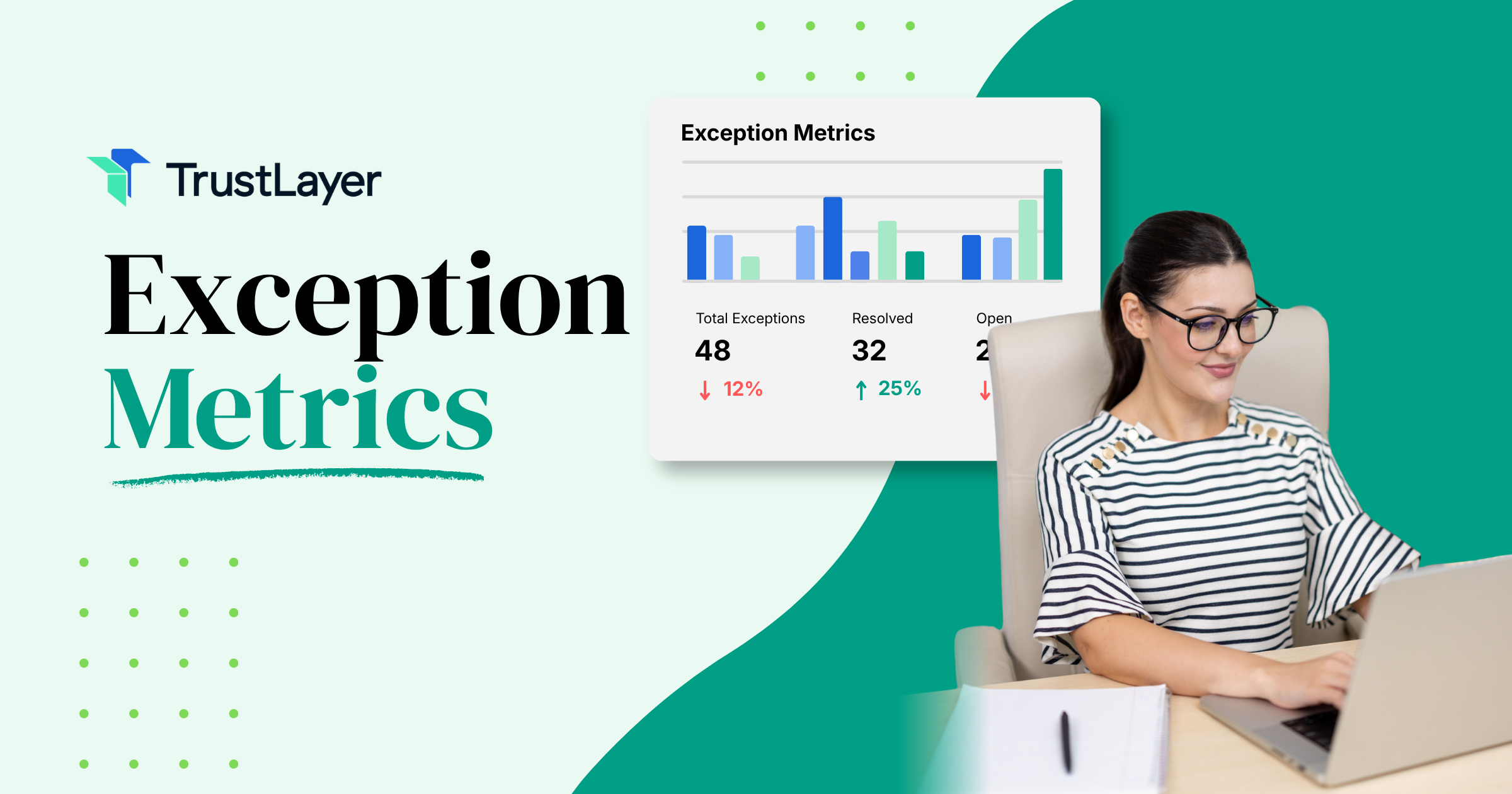
Especially in regulated industries, maintaining compliance is non-negotiable. Metrics here include the percentage of COIs that meet all requirements on the first submission, the number of compliance exceptions flagged, and resolution times for those exceptions.
Licensed insurance professionals play a critical role in interpreting these metrics and advising on corrective actions. Their expertise ensures that the system’s outputs align with regulatory standards and internal policies. Moreover, establishing a feedback loop where compliance metrics are regularly reviewed can help organizations proactively address potential issues before they escalate. By fostering a culture of continuous improvement, companies can not only meet compliance requirements but also enhance their reputation in the industry.
User Satisfaction and Feedback
Numbers tell one part of the story, but user sentiment provides context. Regular surveys, focus groups, and direct feedback channels help capture satisfaction levels and uncover pain points that metrics alone might miss.
Positive feedback often correlates with higher adoption and better performance, while recurring complaints can highlight areas needing immediate attention. Additionally, implementing a system to track user suggestions can yield valuable insights to inform future enhancements. By showing users that their feedback is valued and acted upon, organizations can foster a sense of ownership and commitment to the new system, ultimately leading to a more engaged and satisfied user base.
Common Challenges and How to Address Them
Resistance to Change
Even the best systems face pushback. Resistance can stem from fear of the unknown, perceived complexity, or simply comfort with the old way of doing things. Addressing this requires clear communication, ongoing training, and visible leadership support.
Highlighting quick wins and sharing success stories within the organization can help build momentum. Involving users in the refinement process also fosters ownership and reduces resistance. Additionally, creating a feedback loop where employees can voice their concerns and suggestions can further enhance buy-in. This approach not only empowers staff but also provides valuable insights to tailor the implementation process to fit the organization's culture and needs better.
Data Quality Issues
New systems often expose data inconsistencies or gaps. For COI management, inaccurate or incomplete certificates can cause compliance headaches. Early identification of these issues allows for targeted data cleansing and improved input validation rules.
Partnering with licensed insurance professionals ensures that data quality standards meet industry expectations, reducing risk and enhancing trust in the system. Moreover, conducting regular audits and establishing a dedicated data governance team can help maintain high-quality data over time. This proactive approach not only mitigates potential compliance risks but also fosters a culture of accountability and precision within the organization.
Integration and Workflow Alignment
Systems rarely operate in isolation. Ensuring smooth integration with existing tools and workflows is crucial. Misaligned processes can lead to duplicate effort or missed steps, undermining the benefits of the new system.
Regular cross-functional reviews during the first 90 days help identify and resolve integration issues before they escalate. Additionally, mapping the entire workflow before implementation can identify potential bottlenecks and areas for improvement. Engaging stakeholders across departments in these discussions ensures all perspectives are considered, leading to a more cohesive and efficient integration process. This collaborative effort not only streamlines operations but also enhances interdepartmental communication, fostering a more unified organizational approach to change.
Why the First 90 Days Matter More Than You Think
The initial post-go-live period sets the tone for long-term success. It’s when theoretical benefits are tested against reality, and the organization’s agility is put to the test. Companies that actively monitor key metrics and respond to challenges during this phase are far more likely to realize lasting improvements.
Ignoring early warning signs or assuming that everything will “just work” can lead to costly delays, frustrated users, and missed opportunities. Instead, treat the first 90 days as a dynamic phase of learning and adaptation.
During this critical period, organizations should prioritize open lines of communication among all stakeholders. Regular check-ins and feedback loops can help identify issues before they escalate. For instance, engaging with end-users to gather their insights can uncover usability concerns that may not have been anticipated during the planning phase. This proactive approach not only fosters a culture of collaboration but also empowers users, making them feel valued and heard in the transition process.
Moreover, leveraging data analytics tools can provide invaluable insights into system performance and user engagement. By analyzing usage patterns, organizations can pinpoint areas requiring immediate attention or improvement. This data-driven approach enables informed decision-making, ensuring effective resource allocation. The first 90 days should be viewed as an opportunity for iterative improvement, with adjustments based on real-world feedback, ultimately leading to a more robust and user-friendly system.
How TrustLayer’s Licensed Insurance Professionals Support This Critical Phase
For organizations dealing with insurance compliance, the stakes are particularly high. TrustLayer’s licensed insurance professionals bring specialized expertise, helping interpret complex COI requirements and ensuring your compliance metrics reflect real-world standards.
Their guidance during the first 90 days can help identify gaps in certificate management, recommend process improvements, and support training efforts. This expert insight complements your operational data, providing a fuller picture of how well your new system is performing.
In addition to their analytical capabilities, TrustLayer’s professionals offer extensive industry knowledge that can be invaluable during this transition. They stay abreast of the latest regulatory changes and industry trends, allowing them to provide timely advice that can prevent costly missteps. By leveraging their extensive network, they can connect organizations with additional resources, such as legal experts or compliance consultants, who can further bolster your compliance strategy.
Moreover, TrustLayer emphasizes the importance of fostering a culture of compliance within your organization. Their team works closely with your staff to build awareness and understanding of insurance requirements, ensuring that everyone from management to frontline employees is aligned with compliance goals. This collaborative approach not only enhances your compliance framework but also empowers your team, creating a more resilient organization that can navigate the complexities of insurance management with confidence.
Looking Ahead: Beyond the First 90 Days
While the initial period is crucial, it’s just the beginning of a continuous improvement journey. After 90 days, the focus often shifts to scaling, optimizing, and innovating based on the insights gained. Long-term success depends on maintaining momentum, fostering a culture of feedback, and evolving the system as business needs change.
Regularly reviewing the key metrics outlined here helps ensure your organization stays on track and continues to realize value from the investment.
Final Thoughts
The first 90 days after go-live are a whirlwind of change, learning, and adjustment. Expect shifts in user behavior, operational workflows, and compliance processes. Pay close attention to adoption rates, efficiency improvements, quality indicators, and user feedback to gauge how well your system is settling in.
Challenges will arise, but with proactive management and expert support, such as the licensed insurance professionals at TrustLayer, you can navigate this critical phase successfully.
Curious to learn more about how to optimize your post-go-live experience? Check out other insightful articles from TrustLayer and consider booking a consult with our insurance experts to get tailored advice for your organization’s unique needs.
As you navigate the transformative first 90 days post-go-live, remember that modern risk management is about leveraging the right tools to streamline processes and ensure compliance. TrustLayer is at the forefront of this innovation, providing a best-in-class COI tracker that automates and simplifies the verification of insurance documents. Don't let manual methods hold you back. Embrace the following risk management practices with TrustLayer and join the hundreds of thousands of companies redefining efficiency and trust in their business relationships. Ready to revolutionize your document management and compliance verification? Set up a time to talk with our team and see how TrustLayer can make a difference in your organization.
You might also like





.png)