From One Big Checklist to Configurable Compliance: How Modern Risk Teams Actually Work

Picture this: a risk manager sitting in a conference room, flipping through a massive binder filled with checklists, contracts, and certificates of insurance (COIs). Every vendor, every project, every compliance requirement meticulously ticked off, but the process feels like trying to catch smoke with bare hands. That scene still exists in some places, but it’s rapidly becoming a relic. Today’s risk teams operate in a world that demands agility, precision, and a deep understanding of complex, ever-shifting regulations.
Risk management isn’t about checking boxes anymore. It’s about configuring compliance frameworks that adapt to the nuances of each business, each partnership, and each emerging risk. This shift isn’t just a trend-it’s a necessity. Let’s dive into how modern risk teams have moved beyond one-size-fits-all checklists to embrace configurable, dynamic compliance strategies that actually work.
The Limitations of Traditional Risk Management
Why One Big Checklist No Longer Cuts It
For decades, risk teams relied heavily on standardized checklists. These lists were designed to cover the basics: verifying certificates of insurance, ensuring contracts included specific clauses, and confirming regulatory requirements were met. The idea was simple—if every box was checked, the company was safe.
But reality is rarely that neat. Businesses today face a dizzying array of regulations, from data privacy laws such as GDPR and CCPA to industry-specific mandates in healthcare, finance, and manufacturing. The sheer volume and complexity of these rules mean that a static checklist quickly becomes outdated. Worse, it can lull teams into a false sense of security. As regulations evolve and new threats emerge, relying solely on a checklist can lead to significant oversights that may jeopardize an organization's compliance and operational integrity.
Furthermore, the dynamic nature of the business environment means that risks are not static; they change with market conditions, technological advancements, and shifts in consumer behavior. For instance, the rise of remote work has introduced new cybersecurity vulnerabilities that traditional checklists may not address. Organizations must adapt their risk management strategies to be proactive rather than reactive, ensuring they are not just checking boxes but genuinely understanding and mitigating risks in real time.
The Risks of Relying on Static Processes
Static checklists can’t account for the unique risk profiles of different vendors or projects. For example, a construction subcontractor might require a different insurance threshold than a software vendor. Treating them the same risks, underinsurance or overinsurance, both of which have financial consequences. This one-size-fits-all approach can lead to inadequate protection in high-risk scenarios, leaving organizations vulnerable to unexpected liabilities.
Moreover, manual processes are prone to human error. Missed COI renewals, overlooked policy exclusions, or failure to track changes in vendor status can expose organizations to significant liability. In an era where a single data breach or compliance failure can cost millions, these risks are unacceptable. Relying on outdated methodologies can also stifle innovation, as teams may hesitate to pursue new partnerships or adopt new technologies due to perceived risks. This reluctance can hinder growth and limit competitive advantage in an increasingly fast-paced market.
Additionally, the complexity of modern supply chains means that risks can be interrelated and multifaceted. A disruption in one area can have cascading effects throughout the entire network. For instance, a cybersecurity incident affecting a third-party vendor can compromise not just that vendor but also the organizations that rely on their services. Therefore, a more holistic approach to risk management is essential, one that incorporates real-time data analytics and collaborative risk assessments to adapt to the ever-evolving landscape of threats and vulnerabilities.
Configurable Compliance: Tailoring Risk Management to Reality
What Does Configurable Compliance Mean?
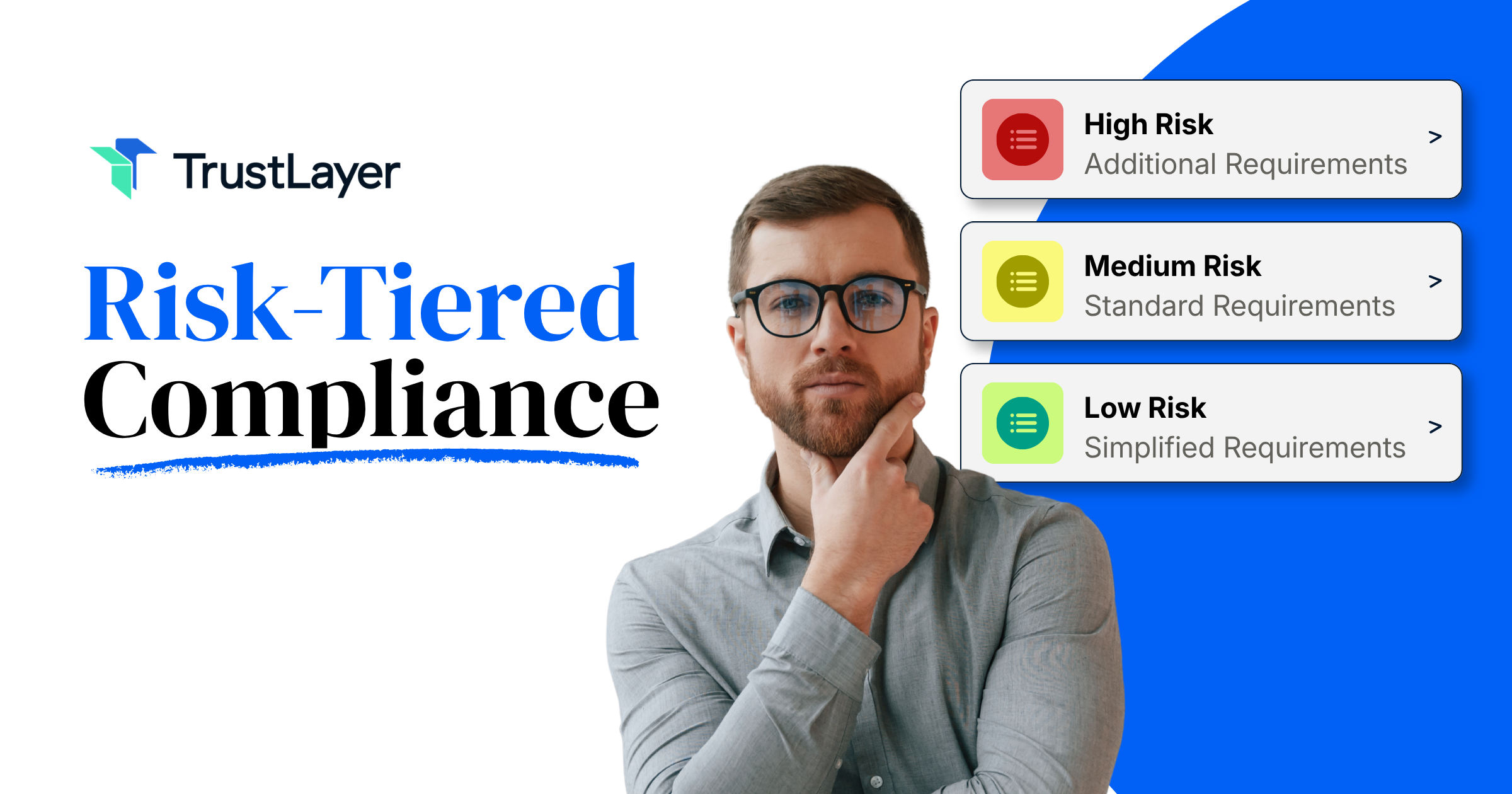
Configurable compliance isn’t just a buzzword. It’s an approach that enables risk teams to tailor their compliance frameworks to specific business needs, vendor types, and regulatory environments. Instead of a fixed checklist, teams create adaptable workflows that reflect the real-world complexity of their operations.
This flexibility allows risk managers to set different requirements for vendors, adjust insurance coverage thresholds dynamically, and automate reminders tailored to contract terms. The result is a compliance process that is both rigorous and responsive. Moreover, this adaptability can be crucial in industries facing rapid regulatory changes or unique operational challenges, ensuring compliance measures remain aligned with the current landscape.
Benefits Beyond Efficiency
Efficiency is the noticeable gain—automating routine tasks and reducing manual errors saves time and resources. But the benefits run deeper. Configurable compliance empowers risk teams to be proactive rather than reactive. They can identify gaps before they become problems, negotiate better terms with vendors, and maintain a clearer picture of their risk exposure at all times.
It also improves collaboration. When compliance requirements are transparent and tailored, vendors understand precisely what’s expected. This clarity reduces back-and-forth and accelerates onboarding and contract renewals. Furthermore, fostering a culture of compliance can strengthen relationships with vendors, as they feel more engaged and valued. By involving them in customizing compliance requirements, organizations can build stronger, mutually beneficial partnerships, ultimately leading to a more resilient supply chain.
Additionally, configurable compliance can significantly enhance data analytics capabilities. By integrating compliance data with other operational metrics, organizations can gain insights into trends and patterns that may not have been visible before. This data-driven approach not only supports informed decision-making but also helps forecast potential risks, enabling businesses to adapt their strategies proactively. As a result, organizations can navigate the complexities of compliance with greater confidence and agility, setting themselves up for long-term success in an ever-evolving regulatory environment.
The Role of Data and Technology in Modern Risk Management
Data-Driven Decisions Over Gut Feelings
Modern risk teams leverage data in ways their predecessors couldn’t have imagined. Instead of guessing which vendors might pose a risk, they analyze patterns across multiple data points—insurance coverage levels, claim histories, contract terms, and even market trends. This comprehensive analysis enables organizations to pinpoint vulnerabilities that may not be immediately apparent, leading to more informed decision-making.
This data-driven approach allows for more nuanced risk assessments. For instance, if a vendor’s Certificate of Insurance (COI) shows a lapse or a reduction in coverage, the system can flag it immediately, prompting action before the risk materializes. Furthermore, advanced predictive analytics can forecast risks using historical data, enabling risk managers to address issues before they escalate proactively. By employing sophisticated algorithms, companies can also benchmark their vendors against industry standards, ensuring that they are not only compliant but also competitive in their risk management strategies.
Automation Without Losing the Human Touch
Automation is a powerful tool, but it’s not about replacing human judgment. Licensed insurance professionals play a critical role in interpreting data, advising on complex cases, and ensuring compliance strategies align with business goals. Their expertise complements technology, creating a balanced approach that maximizes both accuracy and insight. This synergy between human intuition and machine efficiency is essential in navigating the complexities of modern risk landscapes.
TrustLayer, for example, employs licensed insurance professionals who help companies navigate the intricacies of insurance requirements and COI verification. This human expertise ensures that automated processes don’t miss the subtle but critical details that can make or break compliance. Moreover, these professionals are adept at fostering relationships with vendors, which can lead to more transparent communication and a better understanding of potential risks. By combining the analytical power of technology with the nuanced expertise of human experts, organizations can create a robust, dynamic, and resilient risk management framework that adapts to an ever-changing business environment.
Real-World Examples: How Teams Are Adapting
From Construction to Tech: Diverse Industries, Similar Challenges
Consider a construction company managing dozens of subcontractors. Each subcontractor requires different insurance coverage based on the scope of work, location, and project duration. A one-size-fits-all checklist would either leave gaps or create unnecessary hurdles.
By adopting configurable compliance, the risk team can set specific insurance thresholds for each subcontractor category, automate COI collection and renewal tracking, and quickly identify any lapses. This approach not only reduces risk but also speeds up project timelines. Furthermore, the use of digital platforms enables real-time updates and notifications, ensuring all parties are aware of compliance status at any given time. This transparency fosters better communication among subcontractors and project managers, ultimately leading to a more cohesive working environment.
Tech Companies and Vendor Risk
Technology companies face a different set of challenges. They often work with numerous vendors providing cloud services, software development, and consulting. Each vendor’s risk profile varies significantly, especially when handling sensitive data or critical infrastructure.
Configurable compliance frameworks allow tech risk teams to tailor requirements based on vendor roles, data sensitivity, and regulatory requirements. They can enforce stricter insurance and security standards for vendors handling personal data while streamlining processes for less critical suppliers. Additionally, many tech firms are now leveraging advanced analytics to assess vendor performance and risk in real time. By integrating machine learning algorithms, they can predict potential risks based on historical data, allowing for proactive measures rather than reactive ones. This not only enhances security but also cultivates a culture of continuous improvement, encouraging vendors to meet evolving compliance standards and enhance their service offerings.
What’s Next for Risk Teams?
Continuous Adaptation in a Changing Landscape
Regulations evolve, business models shift, and new risks emerge. Modern risk teams must embrace continuous adaptation. Configurable compliance frameworks aren’t static; they’re designed to evolve alongside the business.
That means regular reviews of compliance requirements, ongoing training for risk professionals, and investment in technology that supports flexibility. It also means fostering a culture where risk management is integrated into everyday decision-making rather than siloed as a checkbox exercise. This proactive approach not only mitigates potential threats but also empowers teams to anticipate regulatory changes, enabling them to pivot strategies swiftly and effectively. By leveraging data analytics and predictive modeling, risk teams can identify emerging trends and potential vulnerabilities, ensuring they stay one step ahead in a rapidly changing landscape.
Collaboration and Transparency as Cornerstones
Successful risk management today depends on collaboration—between risk teams, vendors, legal, finance, and operations. Transparency in compliance requirements and processes builds trust and reduces friction when everyone understands what’s expected and why; compliance becomes a shared responsibility.
This collaborative spirit extends beyond internal teams; it also includes engaging with external stakeholders such as regulators and industry peers. By participating in industry forums and sharing best practices, organizations can gain insights into everyday challenges and innovative solutions. Furthermore, establishing clear communication channels fosters a culture of openness in which team members feel comfortable discussing risks and challenges without fear of retribution. This not only enhances the organization's overall risk posture but also fosters a sense of ownership and accountability among all employees, reinforcing the idea that effective risk management is a collective endeavor.
Final Thoughts
Risk management has come a long way from the days of one big checklist. Today’s risk teams operate in a complex, fast-moving environment that demands configurable, data-driven compliance strategies. By tailoring requirements, leveraging technology, and combining automation with expert insight, these teams protect their organizations more effectively and efficiently. The evolution of risk management has also seen the integration of advanced analytics, enabling teams to anticipate risks before they materialize. This proactive approach not only mitigates threats but also enhances decision-making, ensuring organizations remain agile in the face of uncertainty.
If you’re interested in exploring how configurable compliance can transform your risk management approach, consider delving deeper into the available resources. TrustLayer’s licensed insurance professionals offer valuable expertise to clarify complex insurance requirements and streamline COI verification. Furthermore, using machine learning algorithms can significantly reduce time spent on manual checks, enabling risk teams to focus on strategic initiatives rather than administrative tasks. This shift not only increases efficiency but also fosters a culture of continuous improvement within the organization.
Check out other TrustLayer articles for practical insights, and don’t hesitate to book a consult with their insurance experts to see how your risk team can move beyond static checklists to a more innovative, more adaptable compliance framework. Engaging with industry thought leaders can also provide fresh perspectives on emerging risks and creative solutions, helping your organization stay ahead of the curve. As the risk management landscape continues to evolve, staying informed and adaptable will be key to maintaining a competitive edge.
Embrace the future of risk management with TrustLayer, the leading COI tracker for modern risk managers. Say goodbye to the cumbersome, manual process of verifying compliance documents. With TrustLayer, you can automate the collection, storage, and verification of COIs, freeing your team to focus on strategic risk management rather than administrative burdens. Join the hundreds of thousands of companies that have already streamlined their vendor document management with our innovative solution. If you're ready to transform your risk management practices and collaborate more effectively, set up a time to talk with our team and discover how TrustLayer can tailor a better approach for your business.
You might also like
.png)