Sniffing Out Fraud: The Future of AI in Investigations with Marci De Vries
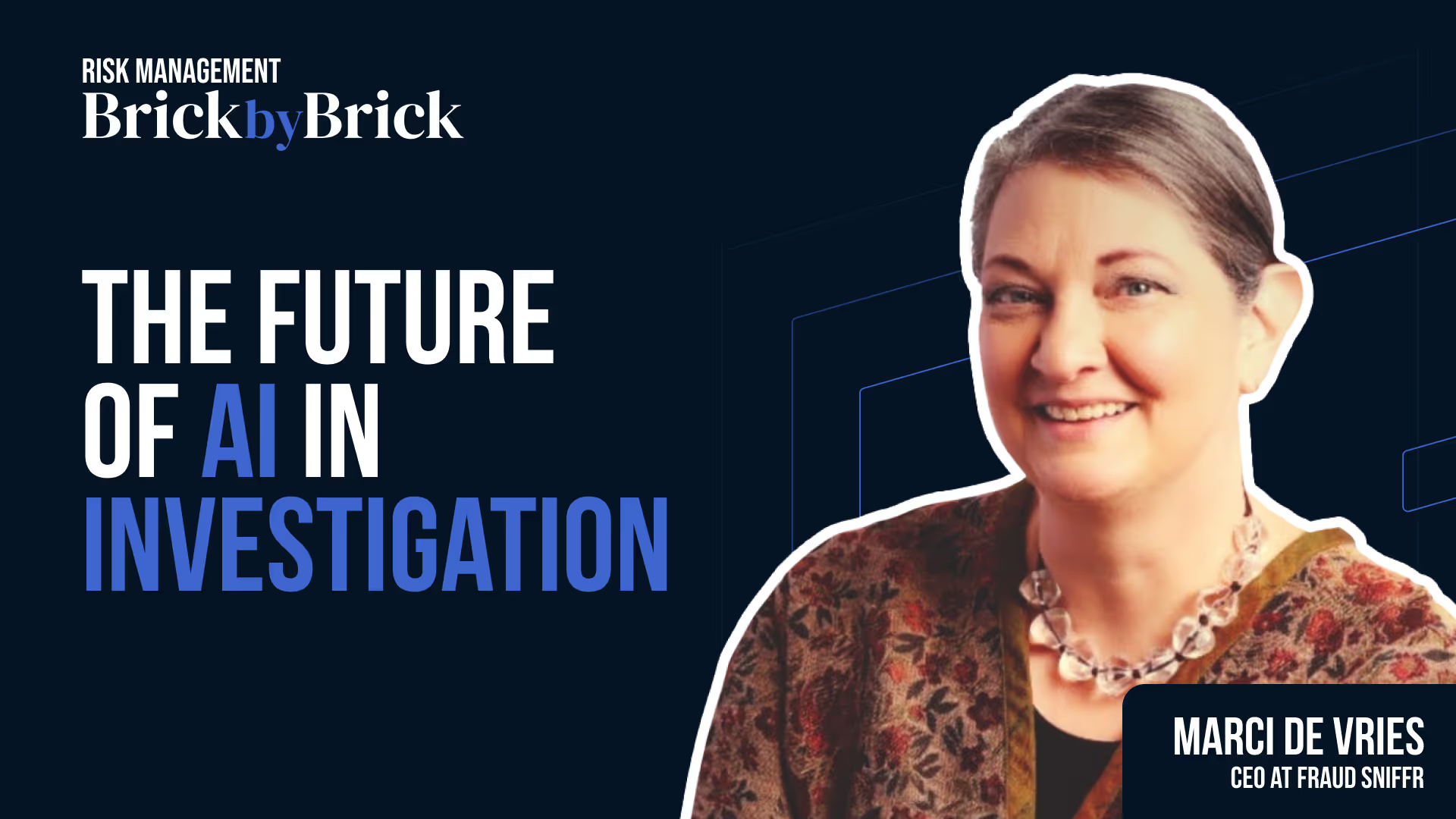
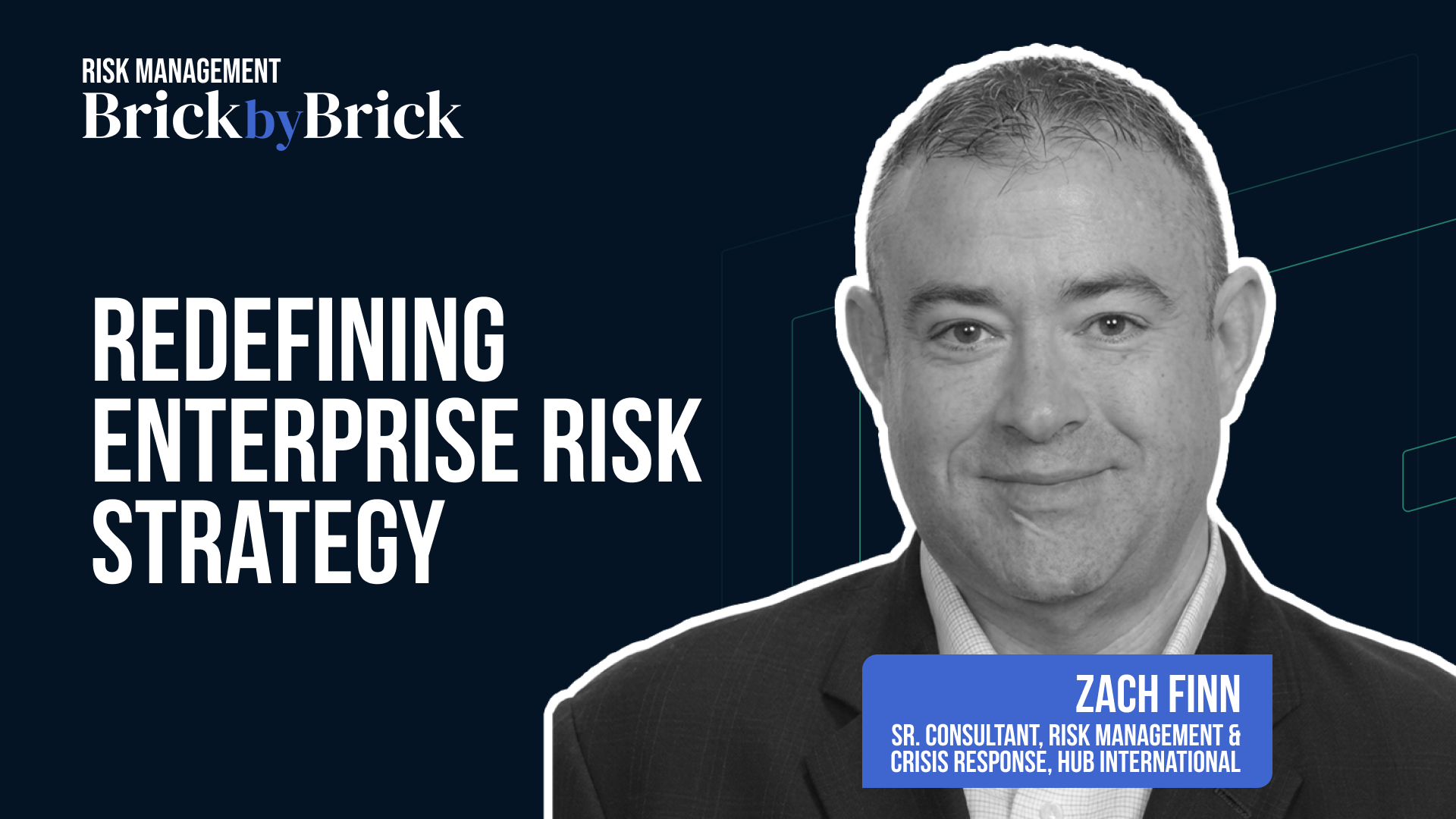
In a new episode of Risk Management: Brick by Brick, host Jason Reichl sits down with Marci De Vries, CEO of Fraud Sniffr, for a deep dive into the evolving world of insurance fraud. From the surprising rise of "analog" fraudsters to the ethical tightrope of using AI, Marci shares how her investigative firm is focused on one thing: truth. The ultimate goal is to connect investigative data to massive revenue opportunities by reducing claims awards and timelines for self-insured companies.
To find out how TrustLayer manages risk so that people can build the physical world around us, head to TrustLayer.io.
Marci’s entrepreneurial success is rooted in a single principle: tying an idea to revenue. In the world of investigations, she quickly identified that companies were spending money on reports that failed to provide "actionable information," essentially making the investment a waste of money.
Fraud Sniffr's model solves this by taking the data they find—social media information and more—and correlating it to a measurable reduction in the final claims award or a shortened resolution timeline. As Marci states, "Once you have an idea that you can tie to massive amounts of money or loss of prior investment money, you start being able to generate a client base, and things kind of go from there." The initial clients were risk managers at self-insured or high-deductible companies, whose personal bonuses were tied to efficient claims resolution.
Generative AI: The Amazing Tool We Can't Trust
Generative AI presents a complex challenge for the investigation industry. While the technology is amazing as an exploratory tool, insurance carriers are currently very concerned about its inclusion in formal reporting. This concern stems from AI's tendency to create an "echo chamber"—when AI content feeds other AI systems—resulting in findings that cannot be reliably traced back to original, factual source material.
Marci notes that AI’s non-human perspective is invaluable, such as when it pointed out a gun hidden in the weeds at a crime scene that humans missed. Yet, this investigative value does not translate to legal certainty. As Marci succinctly puts it, regarding using generative AI for findings: "We like it, but we can't trust it." Reports must be based on human-reviewed, factual evidence.
The Evolving Threat: From Digital Footprints to Analog Cover-Ups
Fraudsters are adapting to modern investigation methods by shifting tactics. While social media remains critical because "jurors will believe social media data before they believe any other data," criminals are covering their tracks in more traditional ways.
Marci describes the rise of "analog" fraud, citing examples like people buying used license plates at flea markets to avoid tolls. When these individuals are later involved in accidents, the fake, untraceable plates make it nearly impossible to confirm their identity or history through standard databases, allowing them to make huge insurance claims. This means investigators must look beyond just the digital trail to catch those who are "substantially more guilty" and think their cover-up methods are "foolproof."
The 'Off-Ramp' and the Ethics of Neutrality
True ethical investigation, according to Marci, requires neutrality: "You can't be an ethical investigator if you're on somebody's side." Fraud Sniffr's heart is in the truth, meaning their reports include all relevant information, even if it helps the claimant and is not in the client's best interest.
This commitment to truth enables an "off-ramp" for claimants. For example, if an adjuster receives an updated report showing a claimant riding a bicycle, they can email the photo and say, "Hey, saw this. How you feeling?" This gives the claimant a chance to stop prolonging their injury and close the claim honestly. Marci notes that this continuous, visual dialogue helps "make everybody a little bit more honest."
Alarming Communities That Coach People to Defraud
One of the most concerning trends in fraud is the organized coaching that happens in plain sight. Marci reveals a thriving dark ecosystem: "There are multiple hundreds of communities on social media that teach you how to get a bigger settlement."
These communities, often launched by plaintiffs' attorneys seeking new clients, advise people on how to turn even a minor fender-bender into a potential "permanent total loss" claim. They provide detailed scripts on what to say to adjusters and how to prolong the claims process. This environment makes the investigator's job essential—not to deny claims, but to ensure that bad actors who exploit these systems don’t inflate costs for everyone.
Positioning Your Organization for the Next Wave of Fraud
To ready themselves for the future of fraud, Marci advises organizations to dramatically expand the scope of their investigations: "What we're telling them is investigate everybody."
It is no longer enough to focus solely on the claimant. Risk managers must widen the lens to include the entire network: all treating doctors, all witnesses, and especially all expert witnesses. Marci emphasizes that investigating the "personal relationships between those players" can be "really illuminating". By looking at the ecosystem surrounding the claim, organizations can better spot organized schemes and criminal rings.
Final Thoughts
The path of an entrepreneur in risk management is defined by the intersection of people, software, and money. As Marci De Vries's journey shows, success comes from applying expertise and technology to problems in a way that generates real, measurable value. Organizations that will succeed against evolving fraud are those that embrace technology as a reliable tool—not an unreliable decision-maker—and commit to the ethical principle of finding the full truth, regardless of which side it benefits. As Marci's best advice reveals, leading through this ever-changing risk landscape ultimately requires clarity and self-reliance: "The best advice is to trust yourself... But just trust yourself. Don't worry so much."
To hear more insights about the next generation of fraud and investigation ethics, tune in to this episode of Risk Management: Brick by Brick.
👉 Spotify: https://bit.ly/4nQJBMk
👉 Apple Podcasts: https://apple.co/43pXeL3
👉 YouTube: https://youtu.be/kIqFoHi6hqM
Podcast Host: Jason Reichl
Executive Producer: Don Halliwell
You might also like


.png)