ResourcesThe Modular Risk Framework: Zach Finn on AI Workflows, Data Ownership, and Operational Resilience
The Modular Risk Framework: Zach Finn on AI Workflows, Data Ownership, and Operational Resilience
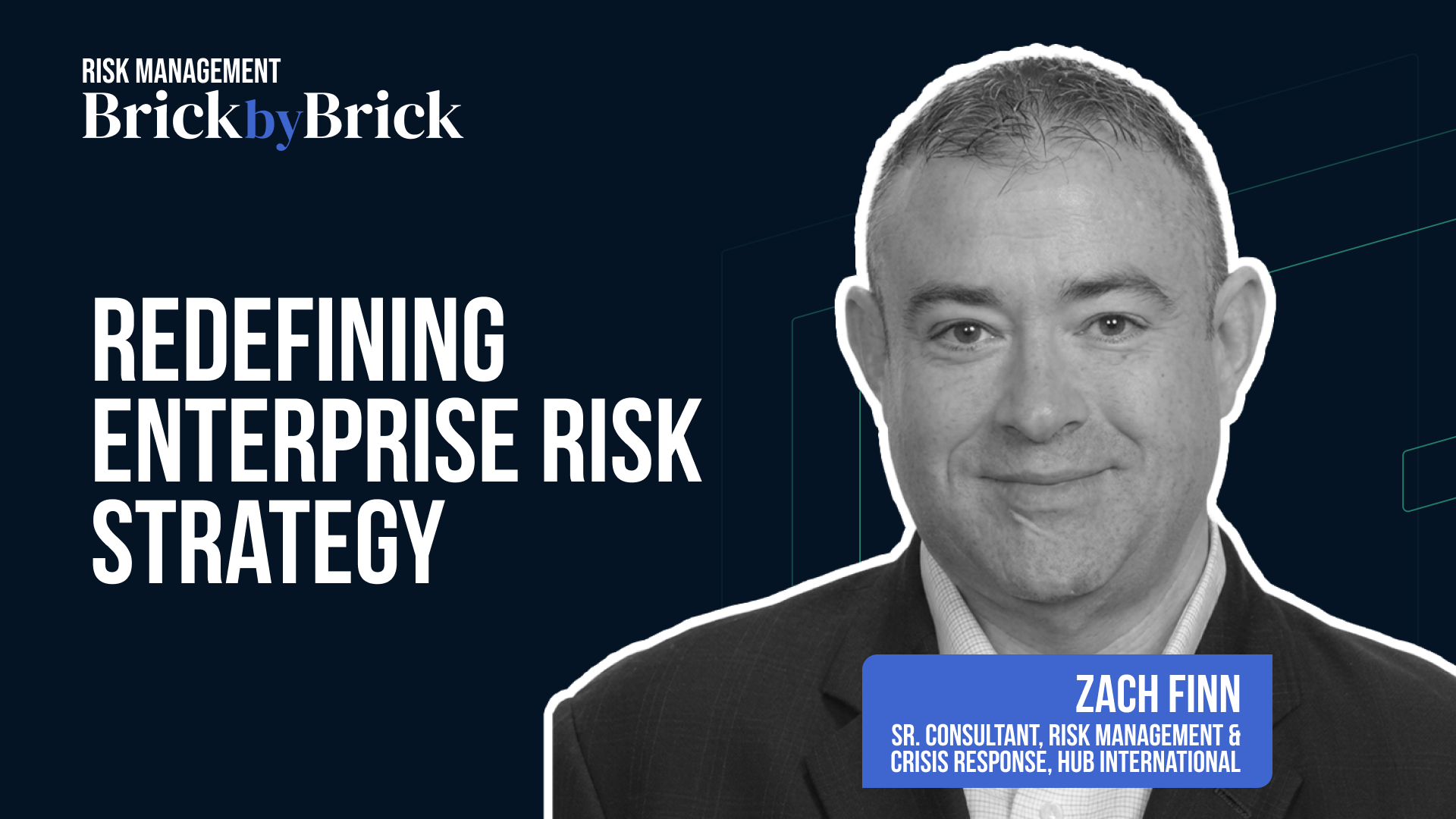
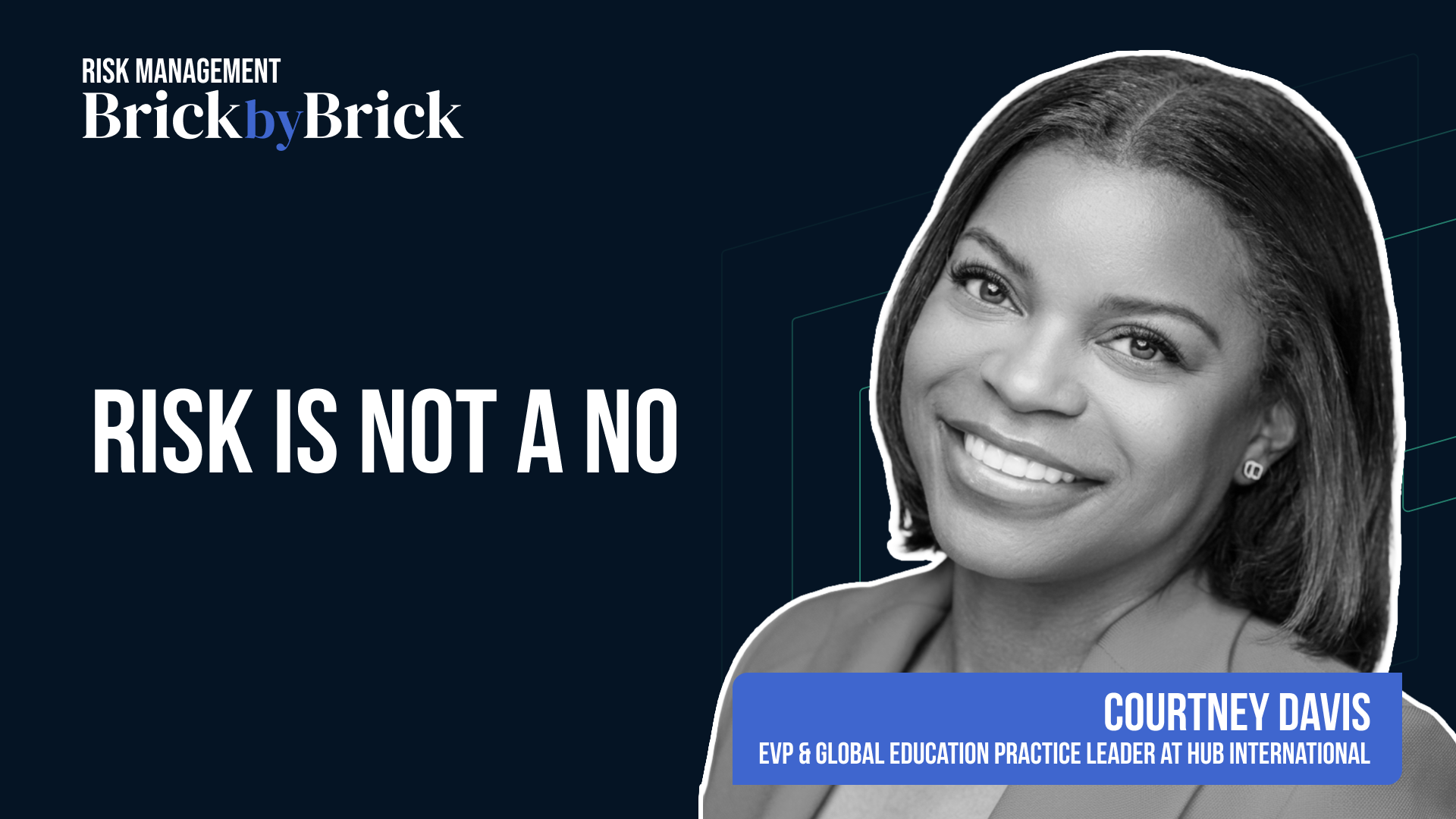
In a compelling episode of Risk Management: Brick by Brick recorded live at Risk World, host Jason Reichl sits down with Zach Finn, Senior Consultant in Risk Management and Crisis Response at Hub. Drawing on an extensive career spanning corporate risk management, crisis response, and academia, Finn shares how artificial intelligence, data analytics, and modern risk financing are reframing risk management from a legacy administrative task into a strategic operational driver.
To find out how TrustLayer manages risk so that people can build the physical world around us, head to TrustLayer.io.
Risk Managers as the Original LLMs
A major theme in modern risk management is adapting to the rapid evolution of artificial intelligence. Finn emphasizes that risk professionals are uniquely pre-adapted to leverage AI tools because of how they naturally synthesize complex, cross-functional data.
"Risk managers were the original LLMs," Finn asserts. "We synthesize information across domains and disciplines. And so AI basically speeds that up for us." Rather than replacing human judgment, AI accelerates routine processes—such as auditing property values and calculating business interruption exposures—turning projects that once took a week into two-hour workflows.
The Modular AI Strategy: Automating to Elevate Judgment
Rather than attempting to let AI automate every function end-to-end, Finn advocates for a modular approach to adoption. Risk leaders should treat artificial intelligence as a builder of components, while remaining the architect who reviews the final output.
"AI is not gonna build the entire house, but it can build sections of the home for me," Finn explains. "And then I can walk through with my clipboard as an architect, put it all together, and organize my workflow." By automating administrative tasks across daily, weekly, and monthly cycles, risk teams unlock capacity to focus on high-value, judgment-focused activities.
Balancing Speed vs. Accuracy in High-Stakes Decisions
While AI drastically reduces data crunching time, Finn warns that accelerating decisions without human verification creates massive organizational liability. In operational environments where downtime costs tens of thousands of dollars per hour, rushing an incorrect decision can lead to catastrophe.
"If you're driving faster decision making... every hour the plant was down was $55,000 an hour," notes Finn. "So if I can make a good decision in three hours instead of three days, that's real money. But if I can make a bad decision in three hours instead of a good one in three days, that's a catastrophe." The key imperative for risk leaders is ensuring speed is never prioritized over accuracy.
Democratizing Risk Knowledge Across the Market
Historically, in-depth loss-run analysis and custom risk engineering were economically viable only for large enterprises. Finn points out that AI-driven data processing democratizes top-tier risk management, allowing brokers and advisors to deliver high-level analytics to smaller businesses and municipalities.
"It would never be profitable to spend that much time on a small town that has a $10,000 policy to give a three-day analysis for an expert like myself, but now we can," says Finn. "The cops and firemen in this little town deserve to be just as safe as the ones in this big city, even though they don't have as much premium or fee associated with it."
To hear the full discussion on AI governance, alternative risk financing, and operational resilience, tune in to this episode of Risk Management: Brick by Brick.
Apple: https://go.fame.so/zachapple
Spotify: https://go.fame.so/zachspotify
YouTube: https://youtu.be/axtJEUXDJzc
Podcast Host: Jason Reichl
Executive Producer: Don Halliwell
You might also like