COI Tracker Comparison: Storage vs Monitoring vs Governance

Every risk manager has a certificate of insurance (COI) tracker of some kind. It might be a shared drive stuffed with PDFs. It might be a spreadsheet with color-coded expiration dates. It might be a purpose-built platform that flags gaps before they become claims. The problem is that most organizations don't realize these three approaches represent fundamentally different philosophies about risk, and choosing the wrong one can leave you exposed in ways that don't show up until something goes wrong. If you're weighing your options in a COI tracker comparison between storage, monitoring, and governance, the differences between them aren't just technical: they're strategic. A system that stores documents isn't the same as one that watches them, and neither is the same as one that ties certificate data to your actual contractual risk requirements. Understanding where your current approach falls on this spectrum is the first step toward closing gaps you probably don't know you have.
The Evolution of COI Management: From Storage to Governance
The way companies handle certificates of insurance has changed dramatically over the past decade, though not everyone has kept up. For most of the 2000s and 2010s, COI management meant collecting paper certificates, scanning them into folders, and hoping someone remembered to check expiration dates. That approach worked tolerably well when a company had 20 vendors. It falls apart at 200 or 2,000.
The shift from storage to monitoring happened because claims exposed the gap. A contractor's policy would lapse, an incident would occur, and the hiring company would discover that the certificate on file was six months expired. According to the Insurance Information Institute, commercial liability claims can easily run into six or seven figures, and an expired policy transforms what should be the insurer's problem into the hiring company's problem.
The next evolution, from monitoring to governance, is still underway. Governance treats COI management not as an administrative task but as a core component of enterprise risk strategy. It asks harder questions: does the certificate actually match the contractual requirements? Are the coverage limits appropriate for the scope of work? Is the additional insured endorsement correct, or is it a boilerplate form that won't hold up in court?
Think of it like the difference between owning a car, maintaining a car, and actually knowing how to drive it where you need to go. Storage gives you possession of a document. Monitoring keeps that document current. Governance ensures the document actually protects you.
COI Storage: Moving Beyond the File Cabinet
Storage-only COI tracking is where most organizations start, and where too many stay. The logic seems sound: collect certificates from every vendor, subcontractor, and supplier, then file them somewhere accessible. You have the documents. You can produce them if someone asks. That feels like compliance.
It's an expensive illusion. A COI sitting in a folder, whether physical or digital, is practically worthless the moment it expires or the underlying policy changes. And policies change constantly. Carriers adjust terms mid-cycle. Vendors switch insurers. Coverage lapses happen quietly, with no notification to the certificate holder.
Centralizing Vendor Documentation
The one thing storage-based systems do get right is the principle of centralization. Having all your vendor certificates in a single location beats the alternative of scattered documents across email inboxes, project managers' desks, and procurement folders. Fragmented visibility between project teams, site managers, and central risk management is one of the primary failure modes in COI management. Coverage gaps hide in the spaces between silos, and they stay hidden until a claim forces them into the open.
A centralized repository at least gives you a fighting chance of finding what you need. It creates a single source of truth for who your vendors are and what documentation you have on file. That's a foundation, but it's only a foundation.
The Limitations of Static Repositories
The fundamental gap with storage is that it's backward-looking. You collected a certificate at the start of a contract. That certificate was valid on the day it was issued. But insurance is a living product: policies renew, cancel, modify, and expire on their own timeline, completely independent of your vendor relationship.
A static repository can't tell you whether a policy is still active right now. It can't flag that a vendor's general liability limit dropped below your contractual minimum. It can't alert you that the additional insured endorsement names your old corporate entity, not the one that acquired it last year. Storage answers the question "did we ever have a certificate?" It cannot answer "are we protected today?" And that second question is the only one that matters when a claim hits.
COI Monitoring: Proactive Compliance Tracking
Monitoring represents the shift from filing documents to actually watching them. A monitoring approach treats certificates as living records that need continuous attention, not one-time collection. This is where most organizations realize they've been performing compliance theater: going through the motions of collecting documents without actually knowing whether those documents still mean anything.
The difference is dramatic. Instead of discovering a lapsed policy when a claim arrives, monitoring-based systems flag expirations before they happen. Instead of manually checking each certificate against a calendar, automated workflows handle the tracking. The institutional mindset shifts from periodic reporting to continuous awareness, and that shift alone prevents a significant number of coverage gaps.
Automated Expiration Alerts and Renewals
The most immediate benefit of monitoring is automated expiration tracking. A good monitoring system sends alerts 30, 60, or 90 days before a certificate expires, giving you and your vendor time to renew without a gap. It also automates the correspondence: instead of your team manually emailing hundreds of vendors requesting updated certificates, the system handles outreach on a schedule.
This matters more than it sounds. Consider a mid-size construction firm managing 500 subcontractors. Each sub carries multiple policies: general liability, workers' compensation, auto, umbrella. That's potentially 2,000 or more individual expiration dates to track. No spreadsheet survives that volume without errors. No admin team can manually chase renewals at that scale without something slipping through. Automated alerts turn what would be a constant fire drill into a sustainable practice.
Verifying Real-Time Policy Status
Expiration tracking catches the obvious gaps, but policy status verification catches the subtle ones. A certificate might show a policy effective through December 2026, but the vendor could have canceled that policy in March for non-payment. The certificate on file still looks valid. The coverage is gone.
Real-time verification connects the certificate to the actual policy status, either through direct carrier feeds or verification services. This is where monitoring starts to earn its keep in ways storage never could. You're not just checking dates on a document: you're confirming that the insurance behind that document still exists. The National Association of Insurance Commissioners has pushed for greater transparency in policy status reporting, and the technology to verify coverage in near-real-time has matured significantly by 2026.
COI Governance: The Strategic Approach to Risk Mitigation
Governance is where COI tracking stops being an administrative function and becomes a risk management strategy. If storage asks "do we have a certificate?" and monitoring asks "is this certificate current?", governance asks "does this certificate actually protect us against the risks this vendor creates?"
That's a harder question, and answering it requires connecting certificate data to contract language, project scope, and organizational risk appetite. A governance approach doesn't just track whether a vendor has insurance: it tracks whether that vendor has the right insurance, in the right amounts, with the right endorsements, for the specific work they're performing.
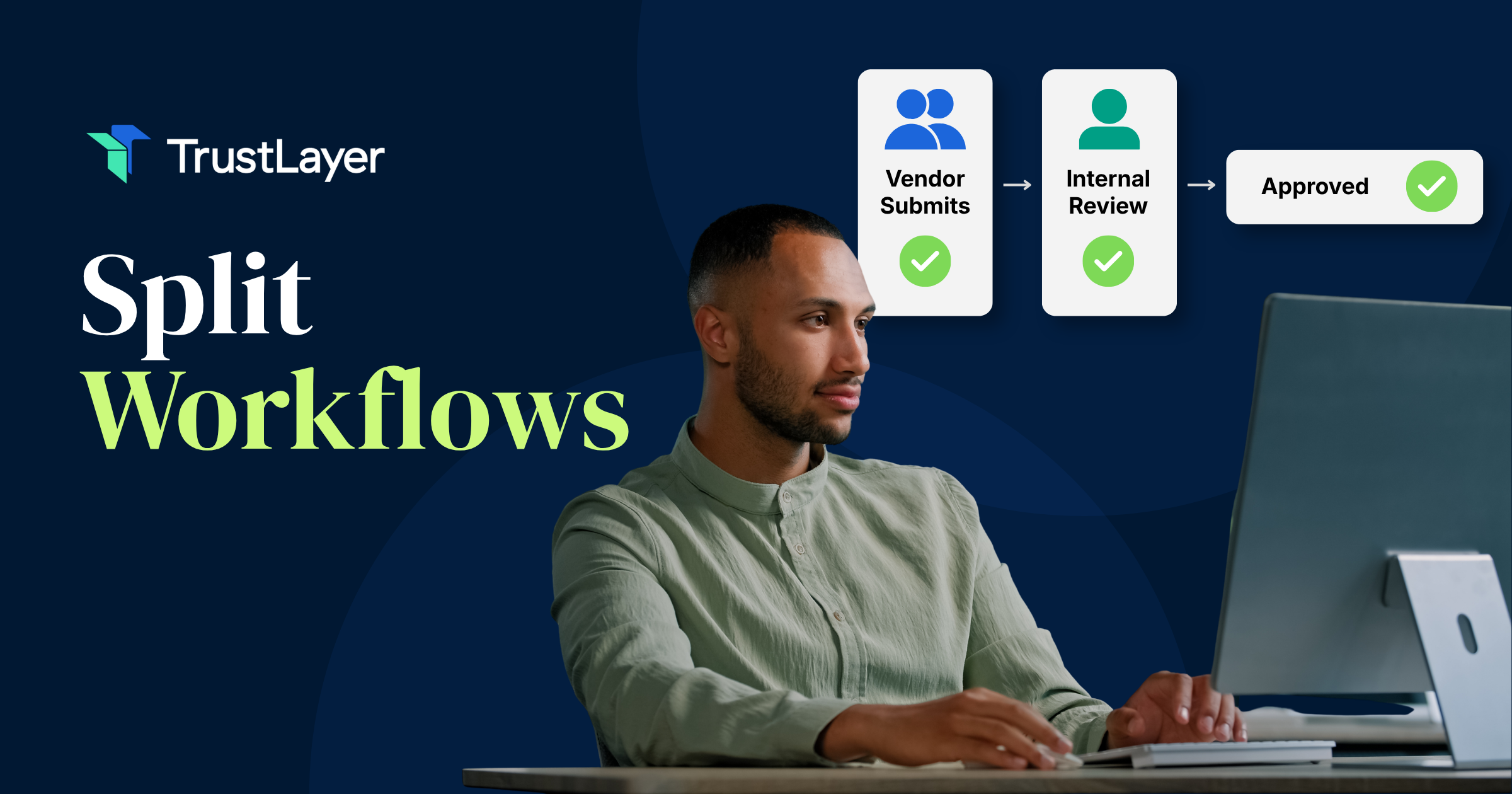
This is the model that centralizes control while decentralizing execution. Your central risk team sets the standards: minimum coverage limits by vendor tier, required endorsement language, acceptable carrier ratings. Project managers and site leads handle the day-to-day collection and vendor communication. Nobody becomes a bottleneck, and nobody operates without guardrails.
Aligning Certificates with Contractual Requirements
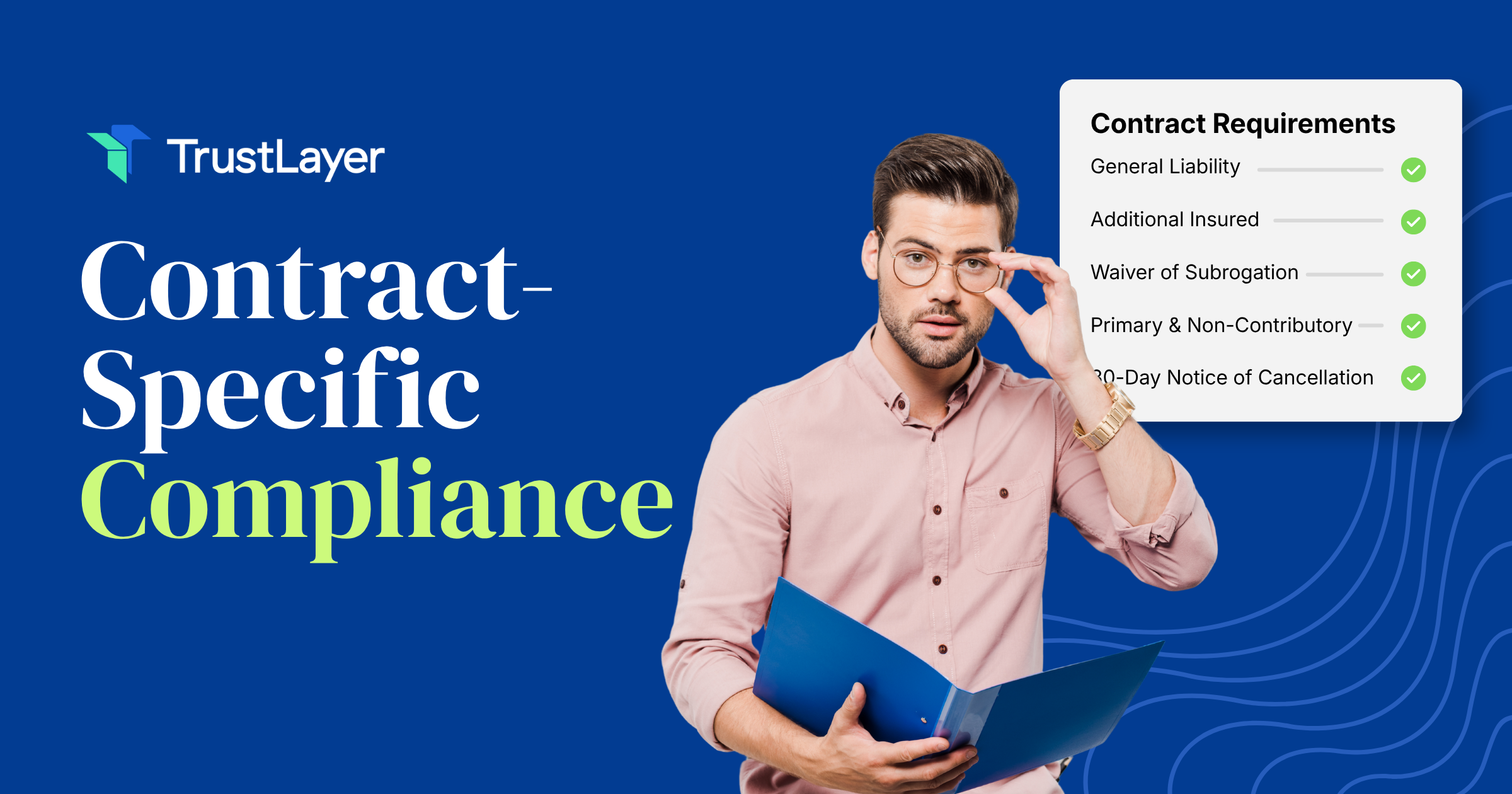
The most common failure in COI management isn't a missing certificate: it's a certificate that doesn't match the contract. Your master service agreement requires $5 million in umbrella coverage, but the certificate shows $2 million. Your contract demands a waiver of subrogation endorsement, but the certificate doesn't list one. These mismatches are invisible in a storage-only system and easy to miss even with monitoring.
Governance-level tracking maps each certificate against the specific requirements in the corresponding contract. It flags discrepancies between what you required and what you received. This is where comparing COI trackers on the spectrum from storage to governance becomes most revealing: only a governance approach catches the gap between "insured" and "properly insured."
A useful analogy: a storage system confirms your vendor has a car. A monitoring system confirms the car is running. A governance system confirms the car actually has enough seats for everyone who needs a ride, enough fuel to reach the destination, and insurance that covers the route being driven. The first two are necessary. Only the third is sufficient.
Data-Driven Insights for Enterprise Risk Management
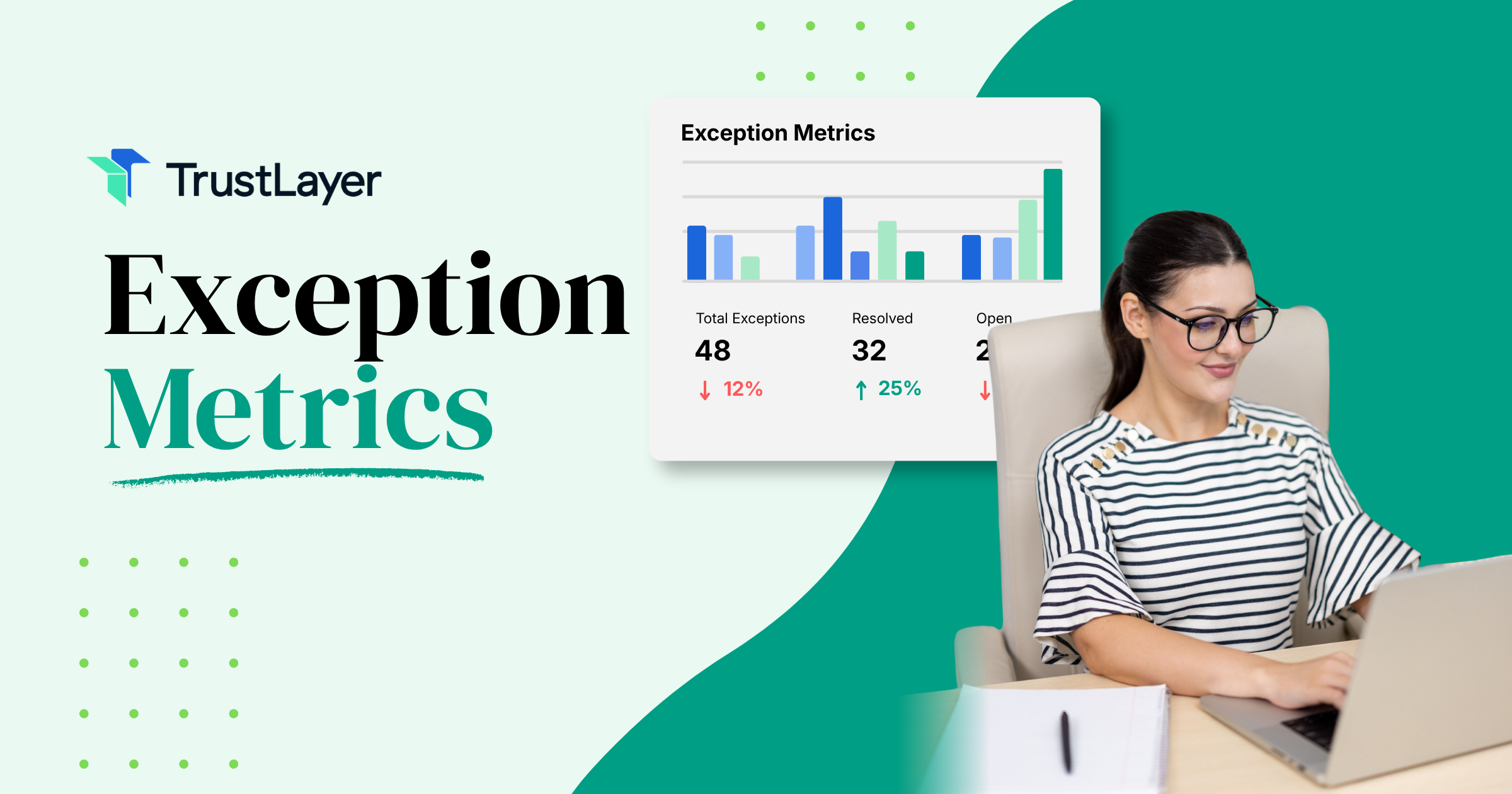
Governance also unlocks reporting that matters to leadership. Instead of telling the board "we collected 94% of certificates this quarter," you can report on actual risk exposure: how many vendors are operating with coverage below contractual minimums, which projects have the highest concentration of compliance gaps, and where the organization's aggregate vendor risk is trending.
This transforms COI data from an administrative metric into a business impact metric. Risk managers can identify patterns: maybe a particular vendor category consistently underinsures, or maybe a specific region has higher lapse rates. These insights feed into procurement decisions, contract negotiations, and vendor qualification processes.
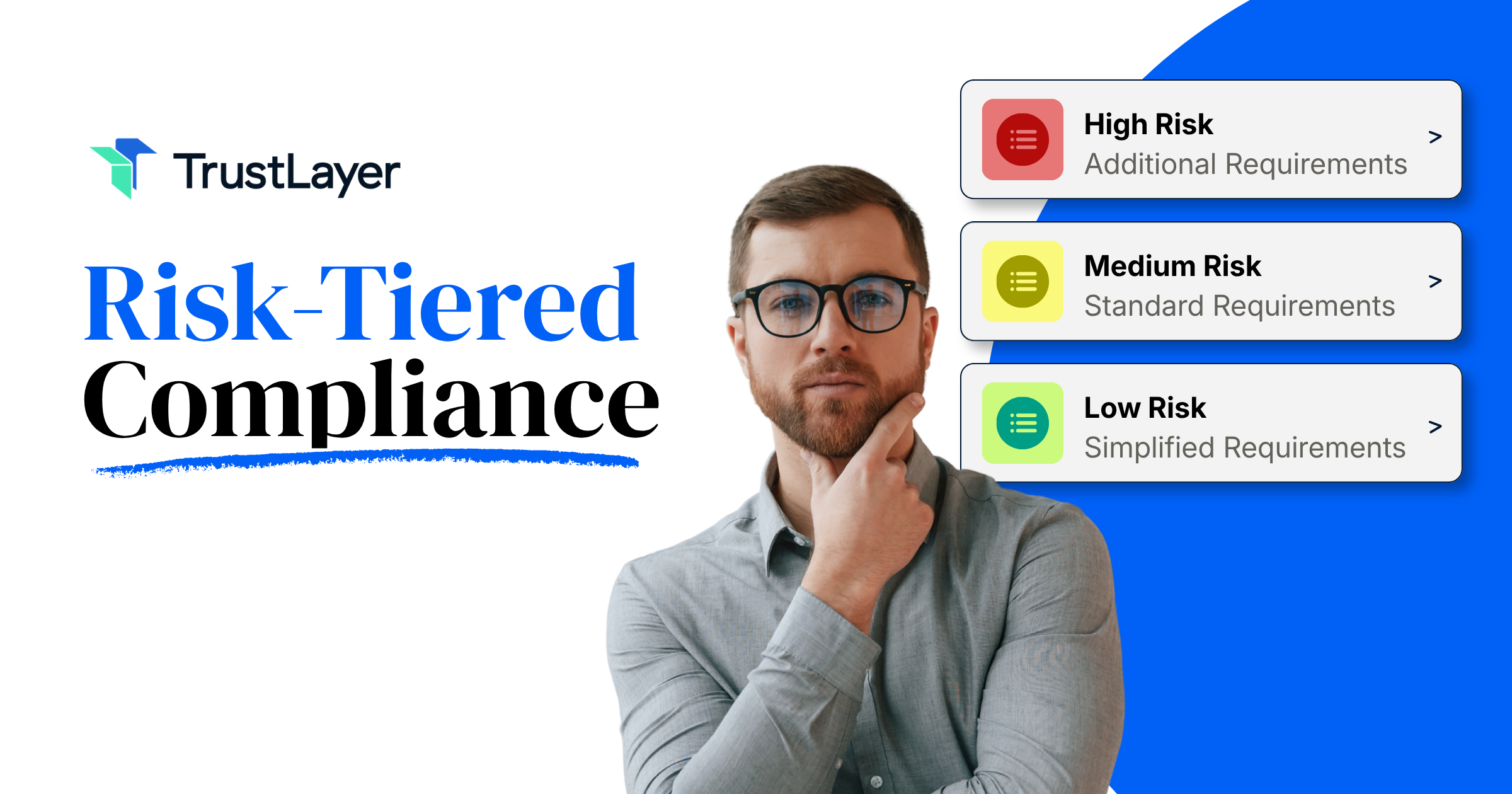
The governance model also supports different workflow patterns based on risk level. High-risk or regulated activities might use synchronous verification, where work cannot begin until certificates are fully validated. Routine vendor relationships might use asynchronous patterns, where certificate collection happens in parallel with onboarding because the delay caused by waiting would create more operational damage than the temporary coverage gap. A governance framework gives you the intelligence to make that distinction deliberately rather than by accident.
Choosing the Right COI Tracker for Your Business Needs
The right approach depends on your organization's size, risk profile, and vendor complexity. Here's a practical framework:
- A company with fewer than 50 vendors and low-risk contracts might get by with a well-maintained storage system, though they should understand what they're accepting in exchange for simplicity.
- Organizations managing 50 to 500 vendor relationships, especially in construction, real estate, or healthcare, need monitoring at minimum. The volume of expiration dates and renewal cycles exceeds what manual processes can reliably handle.
- Enterprises with 500-plus vendors, complex contractual requirements, or significant liability exposure should be operating at the governance level. Anything less leaves too much to chance.
The real question isn't which tier you can afford: it's which tier your risk exposure demands. A single uninsured claim from a vendor with a lapsed policy can cost more than years of investment in proper tracking. The comparison between storage, monitoring, and governance isn't about features or price points. It's about whether your COI tracking system can answer the question that matters most: "If something goes wrong with this vendor tomorrow, are we actually covered?"
Ask yourself what happens if a vendor's employee is injured on your site next week. Can you confirm, right now, that the vendor's workers' compensation policy is active, that the limits meet your contractual requirements, and that you're listed as an additional insured? If you can't answer all three with confidence, your current system has gaps that need closing.
Optimize Your Risk Strategy with TrustLayer
The gap between where most organizations are and where they need to be in COI management is real, but it's also closable. Moving from storage to monitoring to governance isn't a single leap: it's a progression, and the right technology partner makes each step practical rather than overwhelming.
TrustLayer has built its platform alongside the insurance industry, working with carriers, brokers, and businesses to automate the collection, verification, and management of certificates of insurance. If you're ready to move beyond spreadsheets and shared drives toward a system that actually protects your organization, explore what TrustLayer can do. Browse other articles on the TrustLayer blog for more on modern risk management practices, or set up a time to talk with our team about building a COI program that matches your actual risk profile. The best time to fix your process is before the next claim proves it was broken.
You might also like