ResourcesScaling Mega Builds: Tyler Ahrenhold on Navigating Data Center Booms and Construction Risk
Scaling Mega Builds: Tyler Ahrenhold on Navigating Data Center Booms and Construction Risk
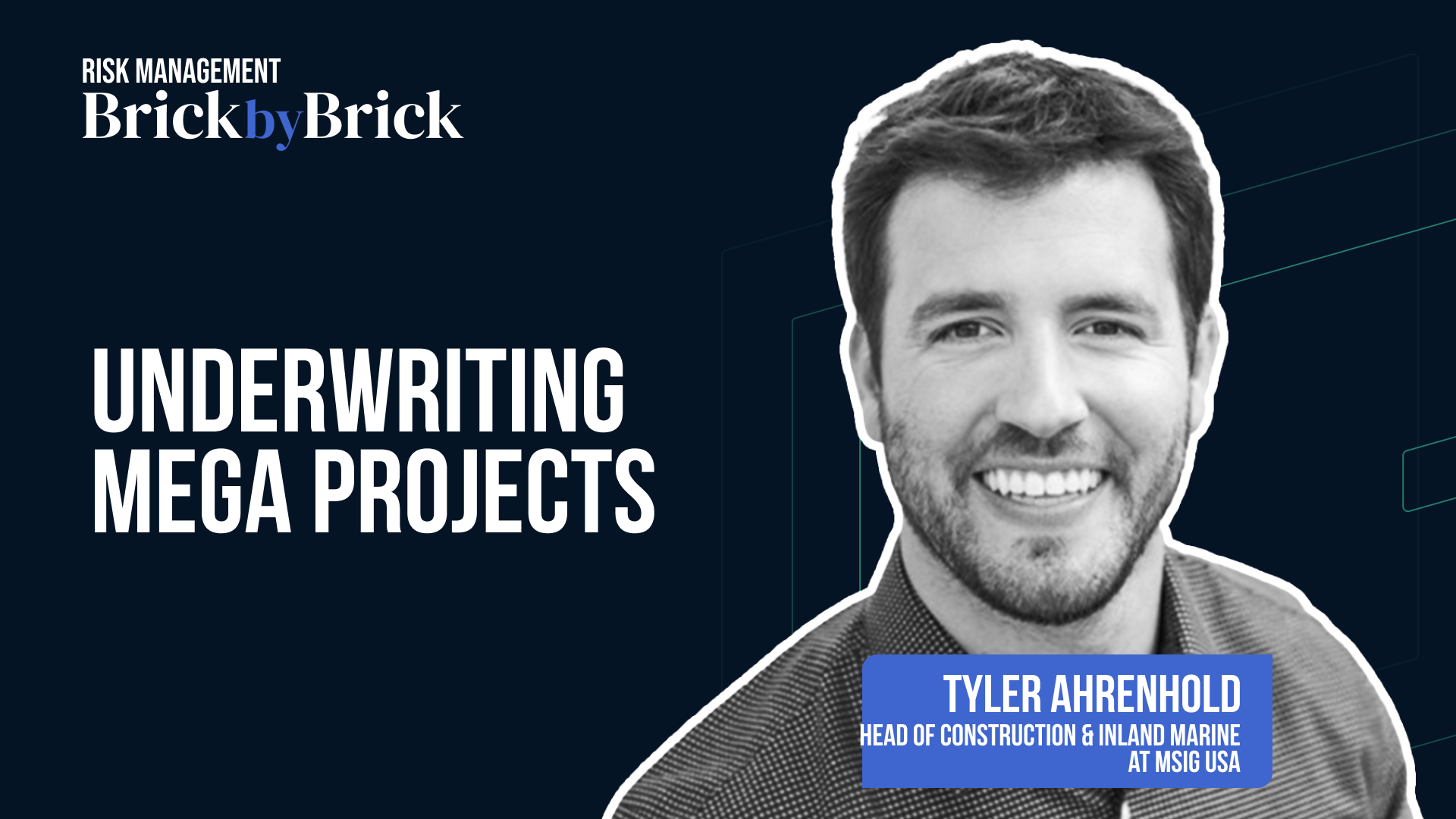
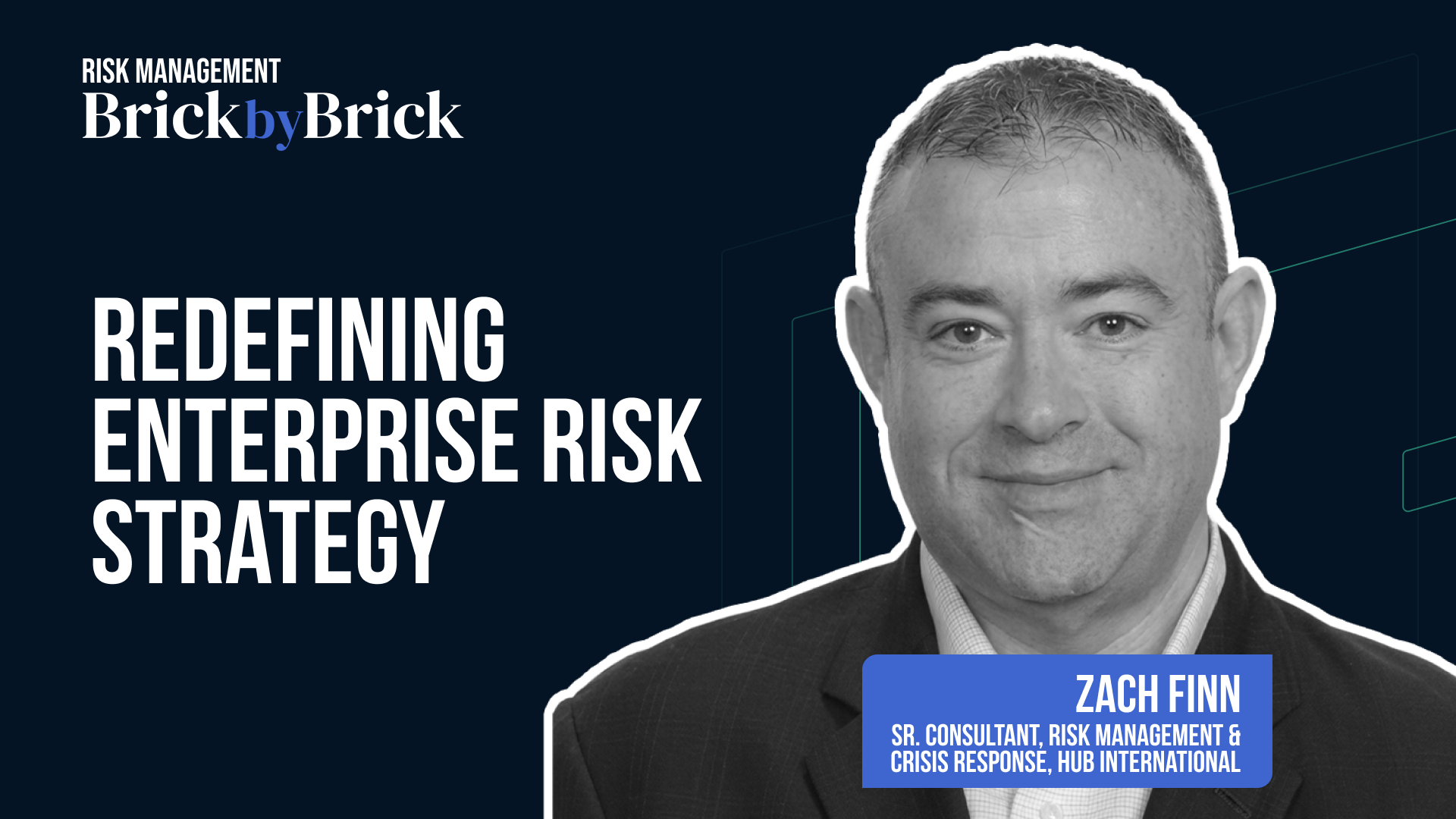
In an insightful episode of Risk Management: Brick by Brick recorded live at Risk World, host Jason Reichl sits down with Tyler Ahrenhold, Head of Construction at Inland Marine North America at MSIG USA. Bringing over 15 years of construction insurance expertise across builders risk and inland marine, Ahrenhold explores how carriers, brokers, and risk managers are adapting to multi-billion-dollar mega projects, supply chain disruptions, and the rapid rise of data center builds.
To find out how TrustLayer manages risk so that people can build the physical world around us, head to TrustLayer.io.
Managing Aggregation in the Multi-Billion Dollar Data Center Boom
A major trend reshaping modern construction risk is the rapid transition toward mega projects, particularly massive data center builds scaling into multi-billion-dollar contract values. Ahrenhold highlights that managing portfolio capacity and single-site location aggregation has become a top priority for direct insurers and reinsurers alike.
"What I mean by that is projects across various segments or occupancies that scale up to multi-billion dollars in construction value, right? Most notably the data center build boom," Ahrenhold explains. "People want to understand how we're managing our capacity, how we're managing single site location aggregation as these facilities grow and scale over time." Balancing growth ambitions with disciplined risk engineering ensures carriers protect their bottom line while meeting market demand.
The Power of Early Stakeholder Collaboration
In an era of complex supply chains and mega builds, waiting until the final submission phase to involve underwriters creates unnecessary friction. Ahrenhold emphasizes that early alignment between brokers, clients, risk engineers, and carriers irons out operational blind spots before entering the market.
"Early collaboration right now in this landscape is everything," Ahrenhold asserts. "The more often we have those conversations and the earlier we have those conversations, it allows everyone to be on the same page, and I think to really iron out a lot of wrinkles that can deter us from supporting at our best."
Underwriting Contractors Over Evolving Timelines
When evaluating major construction risks, schedule delays are increasingly expected due to procurement lag and global trade disruptions. However, Ahrenhold points out that poor subcontractor execution and inexperienced contractors pose a far greater threat to a project's financial success than a shifting completion date.
"I think underwriting the contractor is probably the most important thing within my segment of business," says Ahrenhold. "We can wrap our heads around an evolving timeline and project period. It's inherently more difficult to do the same for a contractor that may be inexperienced or has a poor track record." Integrating risk engineering directly into the contractor and subcontractor selection process ensures baseline safety and operational quality on site.
Shifting from Distribution to Partnership
As project complexity grows, the traditional relationship between carriers and brokers is evolving beyond a basic transactional distribution model. Long-term risk protection requires continuous communication, multi-year extensions, and shared alignment across the entire project lifecycle.
"Brokers need to be able to depend on your capacity not only through a policy period, but perhaps through multiple extensions after that policy period is done," Ahrenhold notes. "All working parts need to communicate... and that's leading to advantageous outcomes across all ends of the spectrum."
To hear the full discussion on mega project underwriting, risk engineering, and supply chain resilience, tune in to this episode of Risk Management: Brick by Brick.
Apple: https://go.fame.so/ahrenholdapple
Spotify: https://go.fame.so/ahrenholdspoitfy
YouTube: https://youtu.be/pphXZVhRX9I
Podcast Host: Jason Reichl
Executive Producer: Don Halliwell
You might also like