ResourcesNavigating Geopolitical Fractures: Ryan Bohl on Structural Risk, Market Spheres, and Scenario Planning
Navigating Geopolitical Fractures: Ryan Bohl on Structural Risk, Market Spheres, and Scenario Planning
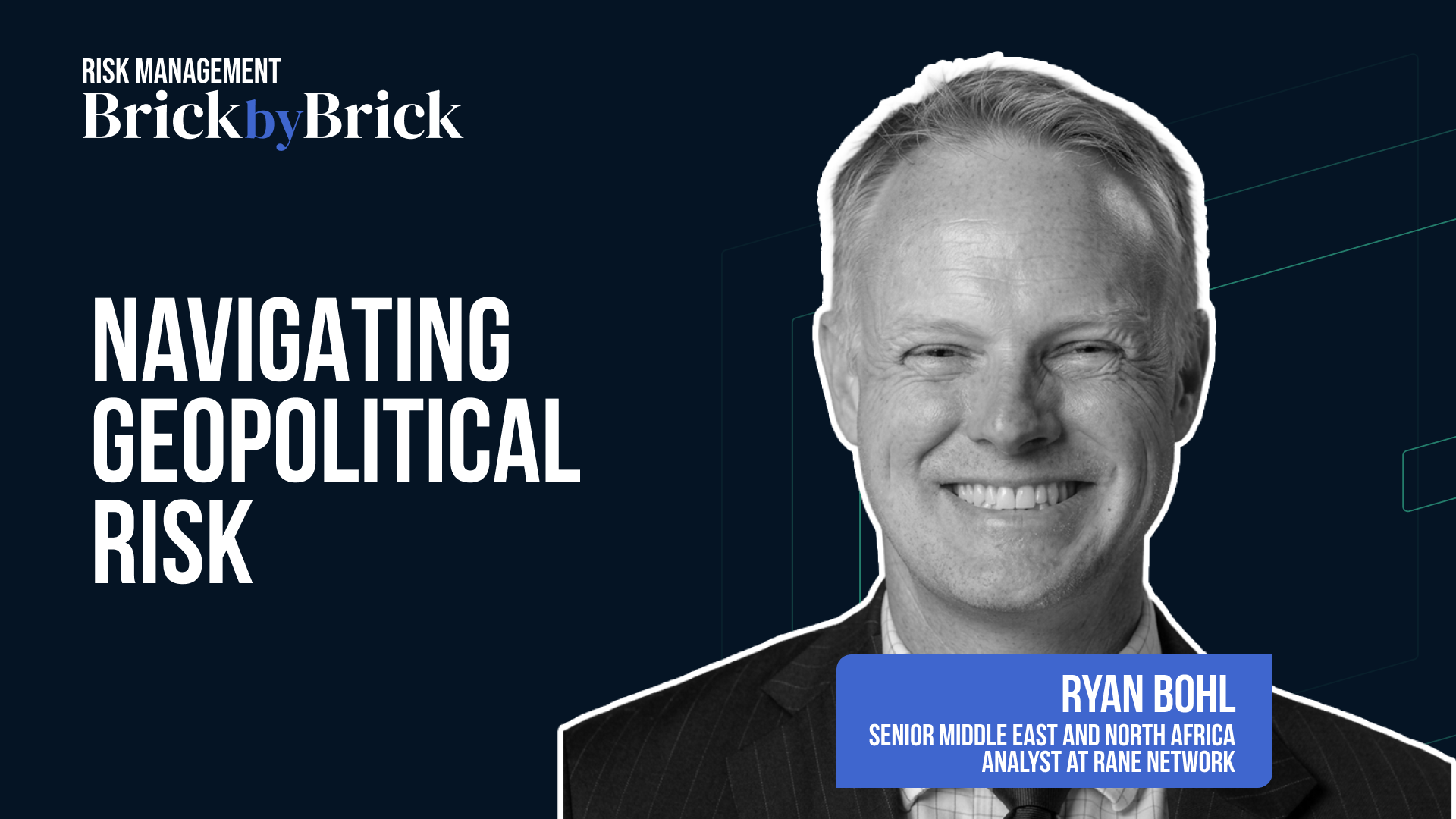
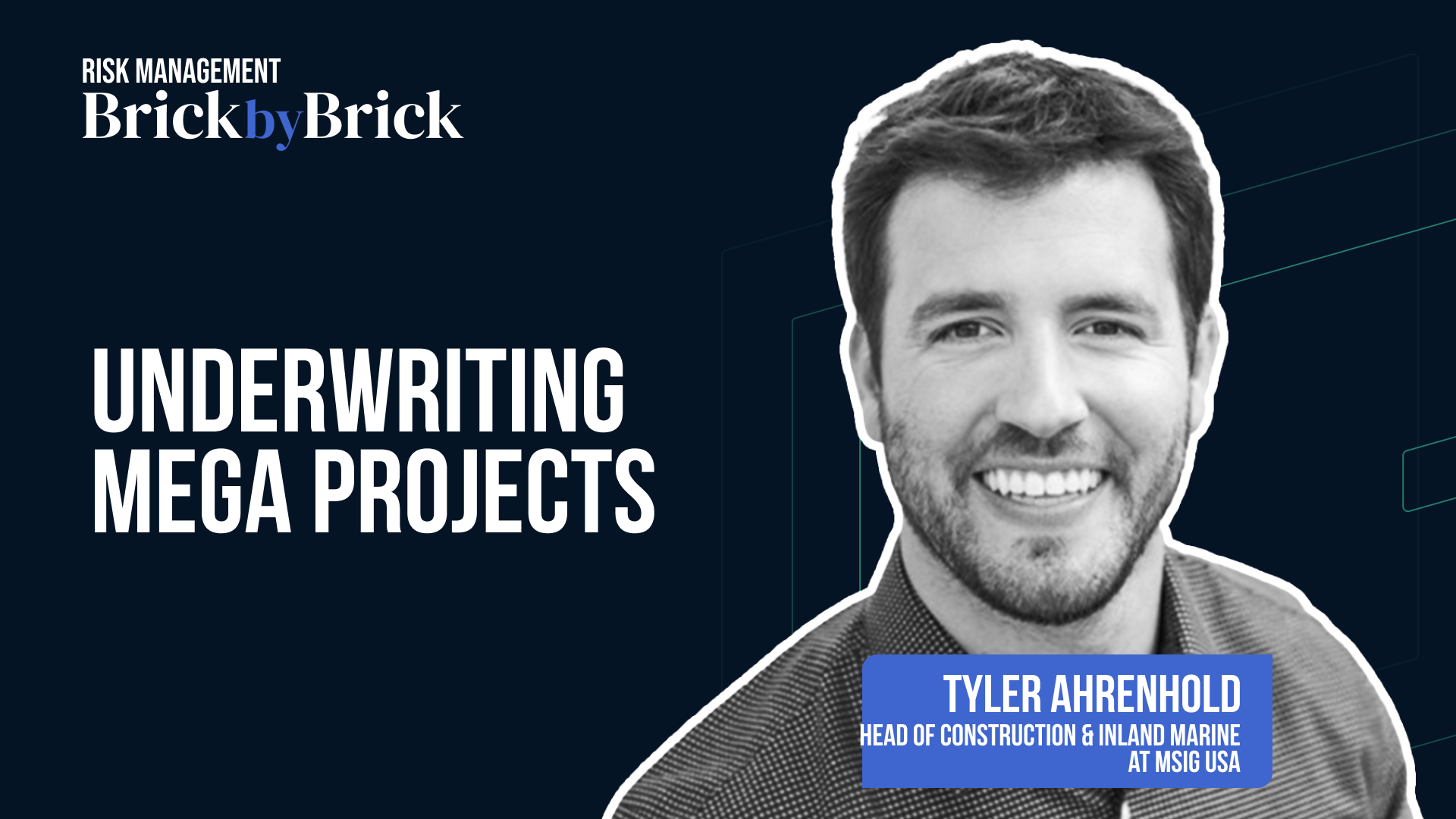
In an insightful episode of Risk Management: Brick by Brick recorded live at Risk World, host Jason Reichl sits down with Ryan Bohl, Senior Middle East and North Africa Analyst at RANE. Drawing from years of experience advising global organizations on structural geopolitics, Bohl explores how businesses are navigating a post-globalization world, shifting away from headline-driven noise, and embedding scenario forecasting across supply chains and operational models.
To find out how TrustLayer manages risk so that people can build the physical world around us, head to TrustLayer.io.
The Shift from Globalization to Multipolar Spheres of Influence
A major trend reshaping modern risk management is the retreat of traditional globalization in favor of a multipolar environment where countries operate under distinct rules and geopolitical imperatives. Bohl highlights that corporations can no longer assume governments will prioritize economic growth over political or social ambitions.
"We're no longer in the 1990s cone of possibility, where everybody does something for money. Now people do something for power, they do something for a social impulse," Bohl explains. "Governments will make major decisions that will affect their economies negatively because they have other imperatives and other goals besides just making the economy grow." Understanding these shifting spheres of influence helps businesses map localized risks—from global energy markets to regional supply line disruptions.
Grounding Strategy in Structural Frameworks Over Headline Noise
In an era of 24-hour news cycles and social media rhetoric, reacting to every political statement creates unnecessary panic and operational friction. Bohl emphasizes that evaluating structural rules—what states are actually capable of doing versus what they say—is essential to filtering out market-manipulating noise.
"Political rhetoric is the absolute top, messiest signal," Bohl asserts. "Rhetoric is the number one noisy thing that everybody picks up on, and people want to grasp onto it because it provides certainty... that is less important than actual action and then understanding the capability of that action."
Utilizing Scenario Planning Across the Entire Value Chain
When evaluating geopolitical instability, low-probability events are often ignored due to fatigue or overconfidence. However, Bohl points out that geopolitical risk cascades down to every level of business, from stock market investors to local municipal and construction budgets.
"Complacency is the biggest risk," says Bohl. "Having a fire escape plan, having an exit plan, having a plan at all is more important than overlooking these sort of things because you just can't stand to constantly revisit the doomsday scenario." Employing structured scenario planning allows organizations to understand alternative outcomes and pivot before crisis strikes.
AI as a Tool vs. The Human Safeguard
As project environments grow more complex, technology and AI are playing larger roles in modeling risk scenarios. However, over-relying on automated tools without human oversight can introduce distorted forecasts due to web-scraped noise and hallucinations.
"AI is both a tool and a competitor... but the human element still needs to safeguard those final forecasts and assumptions," Bohl notes. "You need people who are trained on how to interpret OSINT (Open Source Intelligence) signals... It is a game of trust. It is a game of experience."
To hear the full discussion on geopolitical forecasting, OSINT intelligence, and market adaptation, tune in to this episode of Risk Management: Brick by Brick.
Apple: https://go.fame.so/bohlsapple
Spotify: https://go.fame.so/bohlspotify
YouTube: https://youtu.be/xdypUKdvCOU
Podcast Host: Jason Reichl
Executive Producer: Don Halliwell
You might also like