Compliance Onboarding: 4 Implementation Paths (Audit, Match, Fresh, Vendor-Ready)
Most companies don't decide to fix their certificate of insurance problem until something forces their hand. A subcontractor's crew drops a steel beam, a claim lands, and someone discovers the vendor's general liability policy lapsed eight months ago. The COI sat in a shared drive, technically "on file," and proved practically worthless.
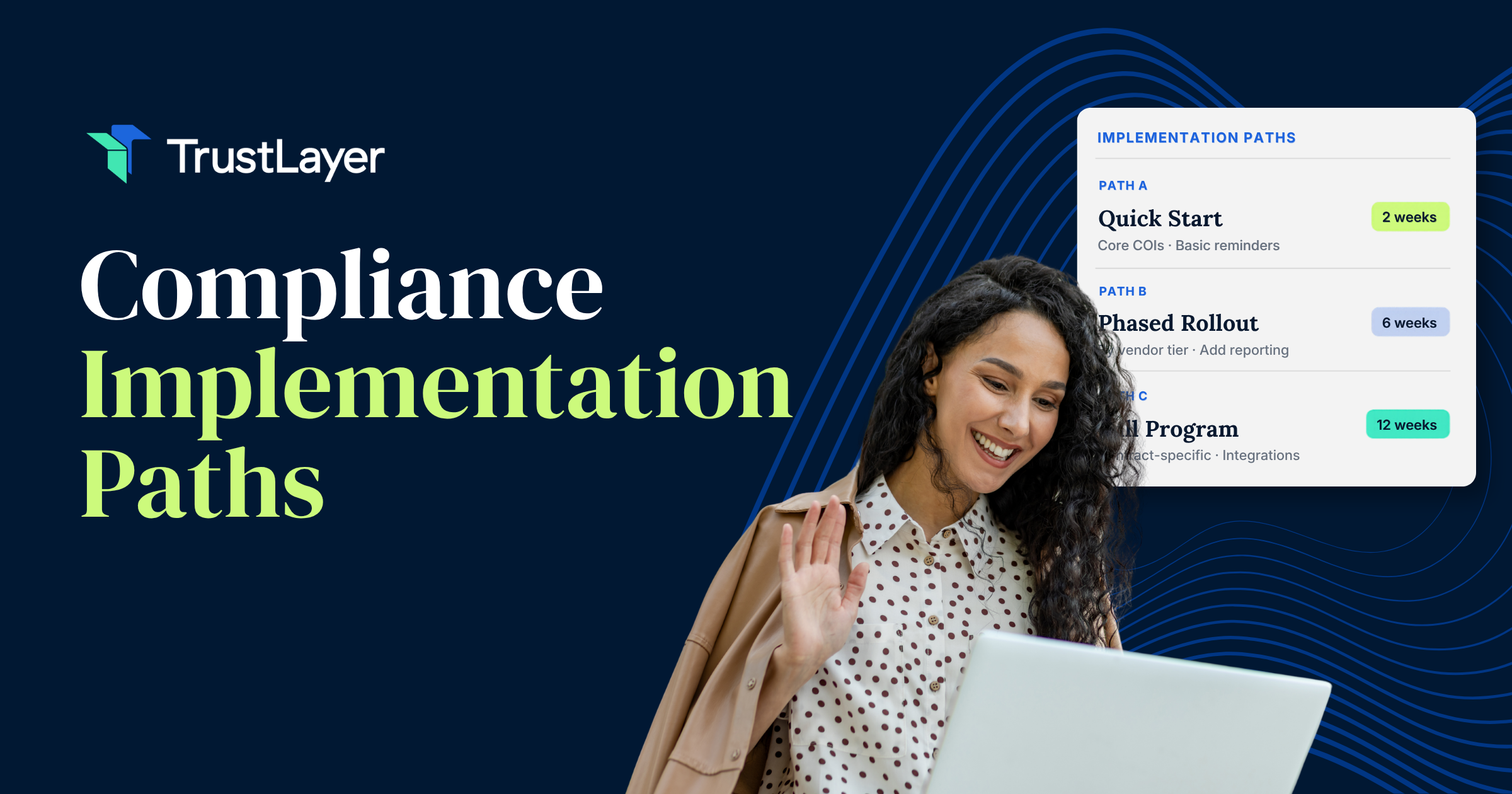
That moment of panic is usually when leadership starts asking about software, process, and who owns this mess. The answer depends less on which tool you pick and more on where you're starting from. Compliance onboarding, getting your vendors, documents, and requirements into a functioning system, tends to follow one of four implementation paths: audit, match, fresh, or vendor-ready. Each fits a different organization, data situation, and appetite for disruption.
Pick the wrong one, and you burn three months cleaning data you should have thrown away, or you launch a beautiful new system on a foundation of bad records. Pick the right one, and you go from fire drill to sustainable practice faster than most teams expect. Here's how to tell them apart.
The Strategic Importance of Compliance Onboarding
The onboarding phase sets the ceiling for everything that comes after. If your requirements are vague, your vendor records are duplicated, and nobody agrees on what "compliant" means, no amount of automation will rescue you. You'll just get faster at producing wrong answers.
The core failure mode I see is fragmented visibility. Project managers collect COIs in their inboxes. Site supervisors keep a binder in the trailer. Central risk management has a spreadsheet updated quarterly, if someone remembers. Each group believes someone else is watching expirations, and those data silos hide coverage gaps until a claim exposes them.
A certificate on file is not the same as coverage in place. Think of it like buying a used car based on a photo of the engine: everything looks fine until you realize there are no wheels. A COI can list the right carrier and still miss the additional insured endorsement, carry limits below your contract minimum, or describe operations that don't match the work being done.
Good onboarding closes that fundamental gap. It forces you to define requirements, assign ownership, and establish a single source of truth before volume makes those decisions for you. That's why the path you choose matters so much.
Path 1: The Audit-First Approach for Legacy Data
The audit-first path is for organizations sitting on years of accumulated records: thousands of vendors, a mix of PDFs and paper, and a strong suspicion that half of it is stale. Before anything moves into a new system, you review what you have and decide what deserves to survive.
This approach works best when your historical data has real value. Maybe you're in construction and need to reconstruct coverage for projects still inside a statute of repose. Maybe your auditors or lenders expect a defensible record going back several years. In those cases, tossing everything and starting over creates its own exposure.
A practical audit usually moves through these stages:
- Inventory every source. Shared drives, email folders, filing cabinets, and the spreadsheet that one person in accounting maintains.
- Deduplicate vendors. "ABC Roofing," "ABC Roofing LLC," and "A.B.C. Roofing Inc." are probably one company.
- Flag active versus inactive. A vendor you haven't paid in three years doesn't need the same attention as one on site next week.
- Grade document quality—separate current, complete certificates from expired or partial ones.
The downside is time. Audits are slow, and teams often underestimate how ugly legacy data really is. Set a hard deadline, and accept that you'll archive some records rather than perfect them.
Path 2: The Match-and-Validate Model
Match-and-validate sits in the middle. You already have a reasonably clean vendor list, likely from your ERP, accounting system, or procurement platform, and the job is to pair existing certificates against those records and confirm they meet current requirements.
The appeal is speed. Instead of digging through every historical document, you start with a trusted master list and ask a narrower question: does each active vendor have valid, adequate proof of insurance right now? Vendors who pass move forward. Vendors who fail get flagged for follow-up.
This path assumes your source system is actually trustworthy, and that assumption deserves scrutiny. I've watched teams match thousands of certificates against an accounts payable list, only to discover the list included vendors that were never formally onboarded and excluded subcontractors paid through a general contractor. The match looked complete, but it was an expensive illusion.
Before committing, run a sample. Pull 50 vendors at random and check whether your master list reflects reality: correct legal names, current addresses, accurate classifications of the work they perform. If more than a handful are wrong, you may need a lighter version of the audit path first. If the sample holds up, match-and-validate can get you operational in weeks rather than months.
Path 3: Starting Fresh with Green-Field Implementation
Sometimes the honest answer is that your existing data isn't worth saving. A green-field implementation treats onboarding as a clean slate: define your standards, then ask every active vendor for fresh documentation under those standards.
This feels drastic, and it does create a burst of outreach. But for organizations whose current records are scattered, outdated, or built on inconsistent requirements, cleaning old data can cost more than collecting new data. You also gain a uniform baseline, which makes every later decision easier.
Green-field is especially attractive for newer companies, organizations going through a merger, or teams replacing a process so broken that nobody trusts its outputs. Two pieces determine whether it succeeds.
Standardizing Insurance Requirements
Starting fresh only helps if your requirements are clear. Build them around risk tiers rather than one blanket rule. A janitorial vendor, a software consultant, and an excavation subcontractor should not face identical demands.
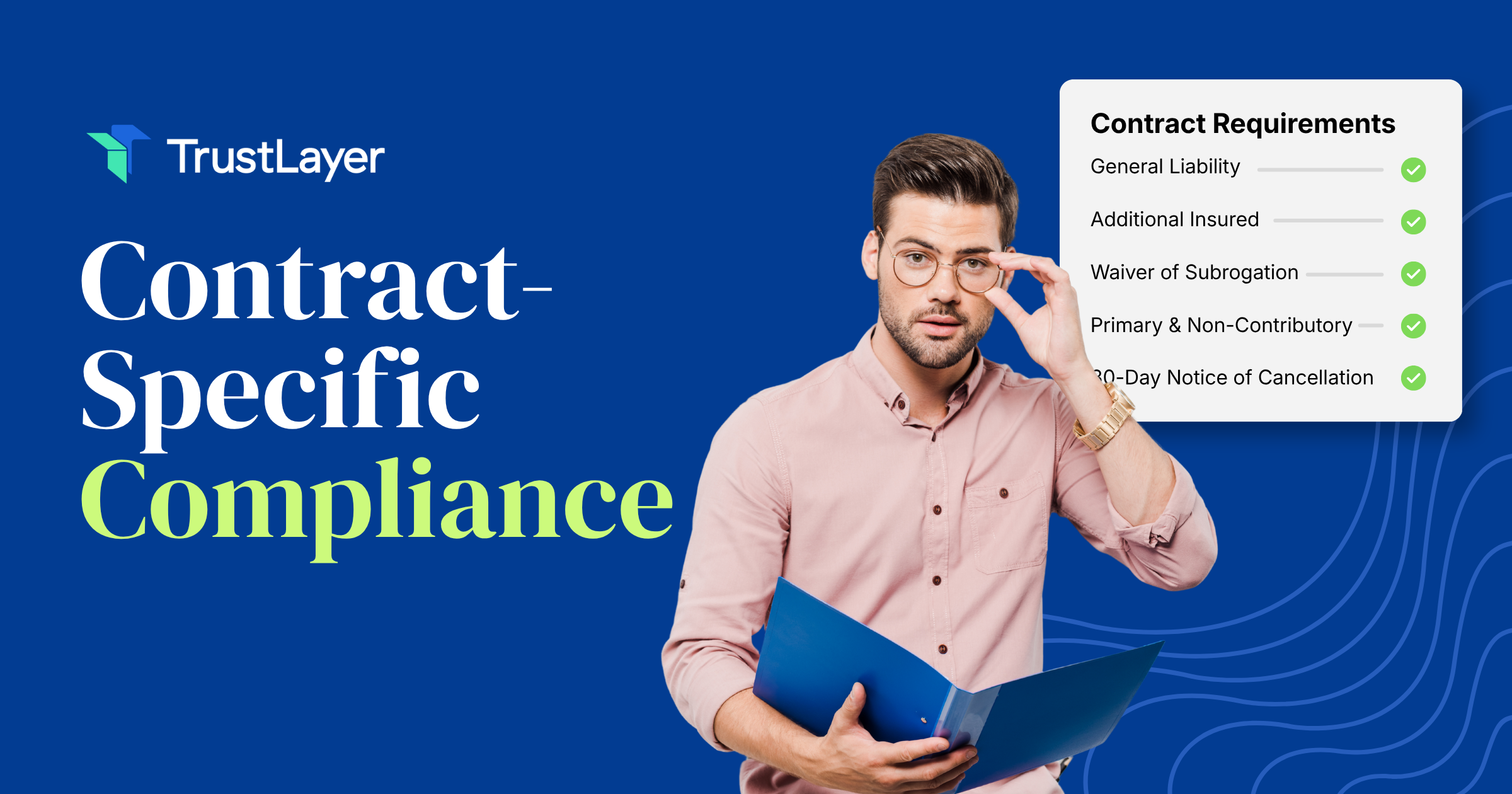
For each tier, specify coverage types, minimum limits, additional insured status, waiver of subrogation, and any primary and noncontributory language. Get legal and risk management to sign off, then lock the standards so individual project leads can't quietly loosen them. Vague requirements produce vague compliance.
Automating Initial Outreach Workflows
The fresh-start path lives or dies on the initial request wave. Sending hundreds of individual emails manually will stall the project within a week.
Plan the outreach in batches by risk tier, starting with your highest-exposure vendors. Write requests that tell vendors exactly what's needed and why, because a confused vendor forwards your email to their broker with no context. Set follow-up intervals in advance, and decide who escalates when a vendor goes quiet. Automation handles the repetition, so your team handles the exceptions.
Path 4: Leveraging Vendor-Ready Portals
The vendor-ready path shifts onboarding work to the people who hold the documents. Instead of your team chasing certificates, vendors and their brokers submit documentation directly against your published requirements.
This model fits organizations that constantly bring on new vendors: property managers, event venues, franchisors, and large general contractors with rotating subcontractor pools. When volume is high, and vendor relationships are short, centralized chasing simply doesn't scale.
The vendor-ready model has a few clear advantages:
- Brokers get involved early. The person who can actually fix a deficient certificate sees the requirement at the start.
- Onboarding becomes a gate. New vendors can't move forward until they submit documentation, which flips the incentive.
- Your team reviews instead of collecting. Staff time goes toward judgment calls, not inbox management.
The risk is assuming a self-service process means less oversight. It doesn't. Someone still needs to own exceptions, review edge cases, and confirm that submitted documents reflect actual coverage. A portal that accepts anything uploaded is just a faster way to fill a drive with paper.
Choosing the Right Path for Your Risk Profile
No single compliance onboarding path is universally best. The right one depends on your risk tolerance, your support capacity, and how much you trust what's already on file. Many organizations end up blending them, auditing legacy records for high-risk vendors while running a fresh or vendor-ready process for everyone else.
Assessing Administrative Bandwidth
Be ruthless about capacity. An audit-first project with one part-time coordinator will drag on for a year. A green-field rollout with no outreach plan will drown the same person in replies.
The governance model that holds up best is centralizing control while decentralizing execution. Risk management sets requirements, defines tiers, and watches program effectiveness. Project leads and site managers handle the tactical follow-up for their own vendors. That split prevents the classic bottleneck where every exception waits on one overworked risk manager.
Decide, too, which requests need to block work. For high-risk or regulated activities, use a synchronous pattern: nobody steps on site until coverage is verified. For routine, low-risk services, an asynchronous pattern often makes more sense, letting work proceed while documentation catches up, because delays there cause more damage than a brief gap.
Evaluating Data Integrity and Source Quality
Your data's condition should drive the decision more than anyone's preference. Ask three questions. Is your master vendor list accurate? Are your existing certificates current and complete? Were they reviewed against consistent requirements?
Three yeses point toward match-and-validate. Mixed answers suggest a targeted audit. Mostly noes mean green-field is likely cheaper long term, even if it feels like admitting defeat.
Overcoming Common Implementation Roadblocks
Every rollout hits friction. The teams that finish are the ones who expected it.
Vendor pushback is the most predictable obstacle. Small vendors often don't understand terms like "additional insured," and they'll send whatever certificate their agent issued last year. Clear, plain-language requests and direct broker contact info reduce the back-and-forth dramatically.
Internal resistance is sneakier. Project managers who have worked with the same subcontractor for a decade may see new requirements as bureaucracy. Training matters here, but skip the click-through module everyone ignores. Walk people through real scenarios specific to their role: what happens to a project, and to them, when an uninsured subcontractor's employee gets hurt on site. Connecting the requirement to daily work changes behavior in a way a checkbox never will.
Then there's scope creep. Someone suggests adding W-9s, licenses, and safety records to the first phase. Resist it. Get certificates of insurance working well, then expand.
Finally, watch for exception sprawl. Every waiver granted "just this once" erodes the standard. Track exceptions, require risk management approval, and review them regularly so temporary allowances don't become permanent holes.
Maximizing ROI Through Automated Compliance
Leadership rarely cares how many certificates you collected. They care about business impact: fewer uninsured losses, faster vendor onboarding, lower administrative cost, and cleaner audits. Frame your reporting around those outcomes from day one.
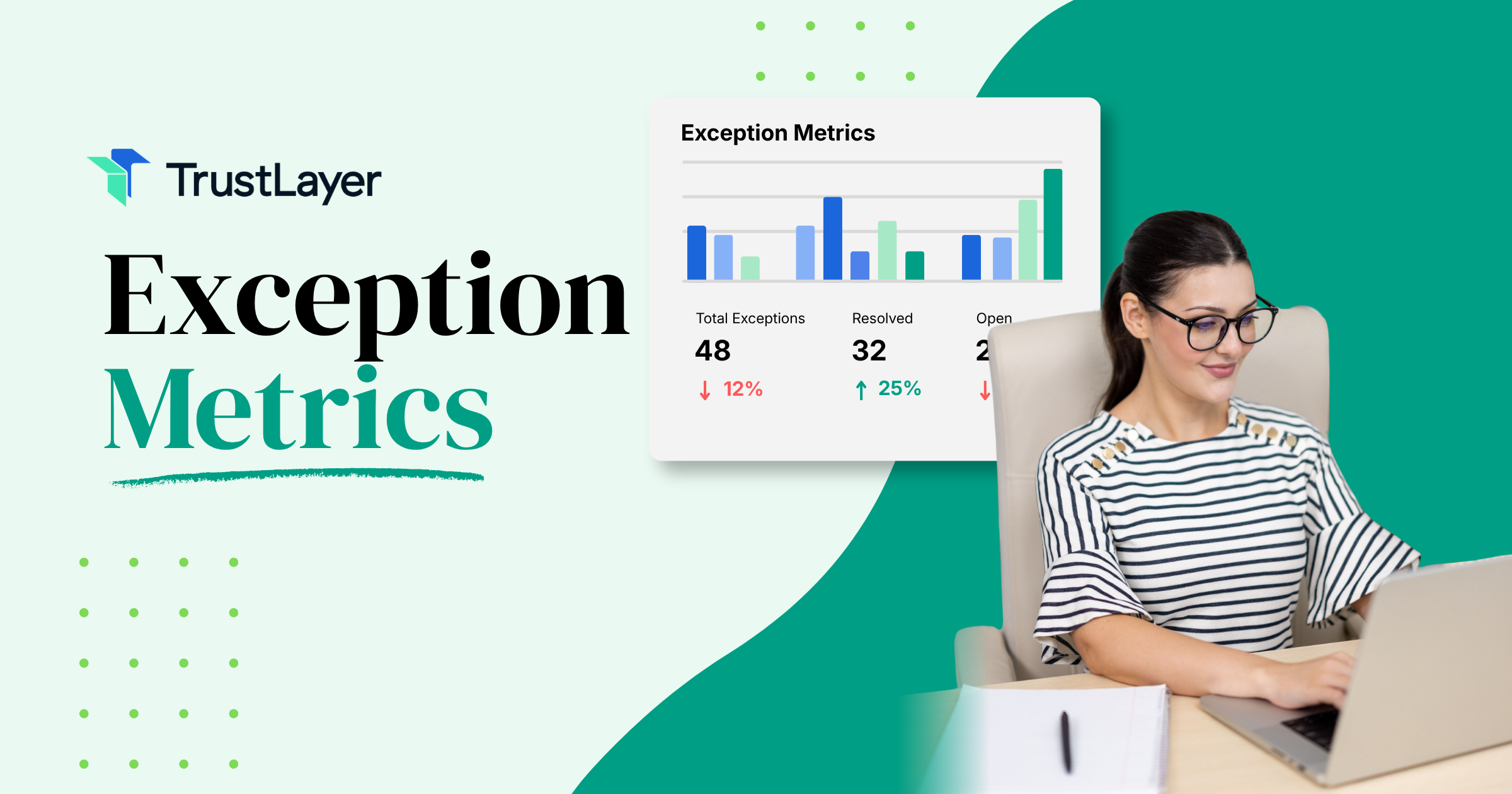
Useful program effectiveness measures include the percentage of active vendors fully compliant, average time from vendor request to compliant status, number of deficiencies caught before work began, and staff hours spent on follow-up. Track them monthly, and you'll have a story to tell when budget season arrives.
The deeper return is a mindset shift. Many organizations run compliance as a fire drill: scramble before the audit, produce a binder, exhale, repeat. That's compliance theater, and it leaves you exposed for the eleven months between reviews. A continuous approach means anyone responsible can see compliance status at any moment, not just when an auditor asks.
That constant state of awareness is where the money is. Catching a lapsed policy before a vendor arrives on site costs a few emails. Discovering it after a claim can cost six or seven figures, plus the relationship damage of tendering a loss to a vendor whose coverage you assumed existed.
Next Steps: Consult with TrustLayer Insurance Experts
Whether you start with an audit, a match, a fresh start, or a vendor-ready model, the goal is the same: replace scattered records and assumptions with a single, trustworthy view of who is covered and who isn't. Choose your path based on honest answers about your data and your bandwidth, not on which option sounds least painful this quarter.
Organizations that get this right treat onboarding as the foundation for everything else, including the intelligent automation and risk visibility leadership increasingly expects. TrustLayer works with modern risk managers tired of paper, phone calls, and guesswork, and our team can help you choose the implementation path that fits your vendor base. Set up a time to talk with our team to pressure-test your plan before you commit months to it.
If you're still weighing options, browse other TrustLayer articles for deeper guides on certificates of insurance, vendor requirements, and risk transfer. Then book a consult with the insurance experts. The best time to find a coverage gap is before anyone needs that policy.
You might also like