Request-Based Compliance Reporting: See What’s Stuck
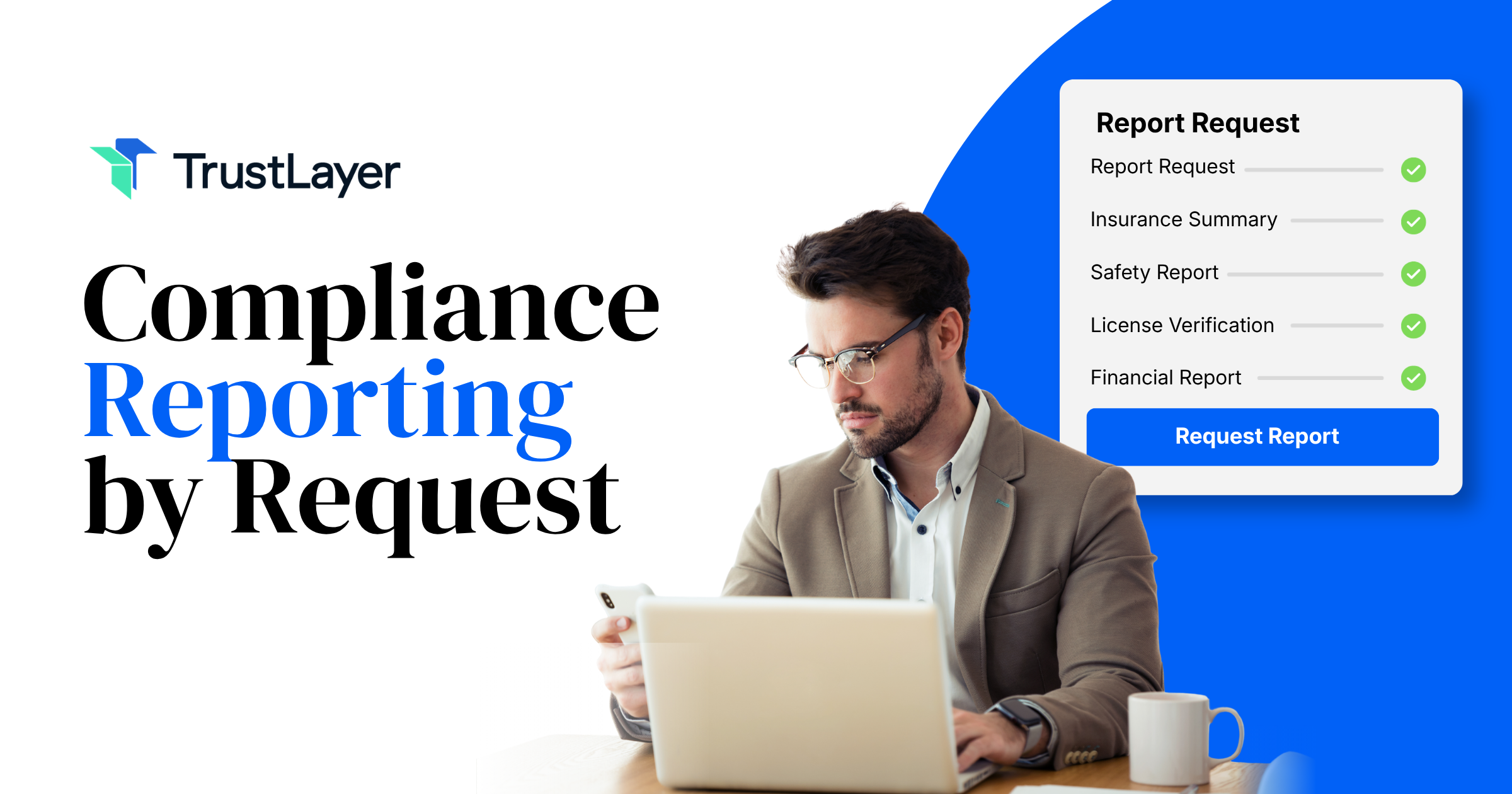
Every risk manager has experienced that sinking feeling: a claim comes in, you pull up your vendor files, and you realize the certificate of insurance you thought was current actually expired three months ago. Nobody flagged it. Nobody followed up. The request went out, but nothing came back, and the gap just sat there, invisible, until it wasn't. This is the central problem with how most organizations handle compliance document collection. Requests go out into the void, and there's no reliable way to see what's stuck, what's pending, and what's about to become a liability. The shift toward request-based compliance reporting exists precisely because of this blind spot. When you can track every outbound request for a COI or compliance document and see its status in real time, you stop playing defense and start actually managing risk. That's a fundamentally different posture, and it separates organizations that survive claims events from those that get buried by them.
The Visibility Gap in Manual Compliance Tracking
Most organizations don't have a compliance problem. They have a visibility problem. The certificates of insurance, endorsements, and policy documents they need are out there somewhere: sitting in a vendor's inbox, waiting on a broker's desk, or lost in a thread of emails that nobody's monitoring. The real failure isn't that people refuse to comply. It's that nobody can see where the process broke down.
This visibility gap is the single biggest risk multiplier in vendor and subcontractor management. When you can't tell the difference between "we asked, and they're working on it" and "we asked six weeks ago and heard nothing," you're operating blind. And operating blind in risk management is how you end up with uncovered exposures on active projects.
Why Traditional Spreadsheets Hide Bottlenecks
Spreadsheets are where compliance tracking goes to die. I've seen risk teams running sheets with 500+ rows, color-coded by status, maintained by one person who updates it "when they get a chance." The problem isn't effort: these people are working hard. The problem is that a spreadsheet is a snapshot, not a system.
A spreadsheet tells you what someone typed into it last. It doesn't tell you when a request was sent, whether it was opened, how many follow-ups went out, or whether the document that came back actually matches what was requested. Every cell is a manual entry, which means every cell is a potential error, delay, or omission.
The bottlenecks hide in the white space between updates. A vendor marked "pending" three weeks ago is still marked "pending" today, and nobody knows whether that means they're almost done, or the request fell through entirely. That ambiguity is where risk lives.
The Cost of "Stuck" Insurance Certificates
A stuck COI request isn't just an administrative nuisance: it's a financial exposure. If a subcontractor is working on your site without valid proof of insurance and an incident occurs, your organization may be holding the bag for damages that someone else's policy should have covered.
The numbers are real. A single workers' compensation claim can run into six figures. A liability claim on a construction project can exceed seven figures. And when your defense in a lawsuit depends on showing that you had a compliant insurance program, a spreadsheet full of "pending" entries is practically worthless as evidence of due diligence.
Beyond direct financial exposure, stuck requests create cascading delays. Projects can't proceed, contracts can't close, and onboarding timelines stretch out because someone, somewhere, hasn't returned a document. The cost isn't just risk: it's operational drag that compounds across every project and partnership.
Core Benefits of Request-Based Reporting
Shifting from document-based tracking to request-based compliance reporting changes the fundamental question you're asking. Instead of "Do we have the document?" you're asking "What happened to the request?" That distinction matters enormously, because it gives you a timeline, a trail, and a trigger for action.
Think of it like tracking a package versus just checking whether it arrived. If you only check whether it arrived, you have two states: yes or no. But if you track the request from the moment it was sent, you know when it went out, whether it was received, how long it's been sitting, and when you should escalate. That granularity is what turns compliance from a fire drill into a sustained practice.
Real-Time Tracking of Document Requests
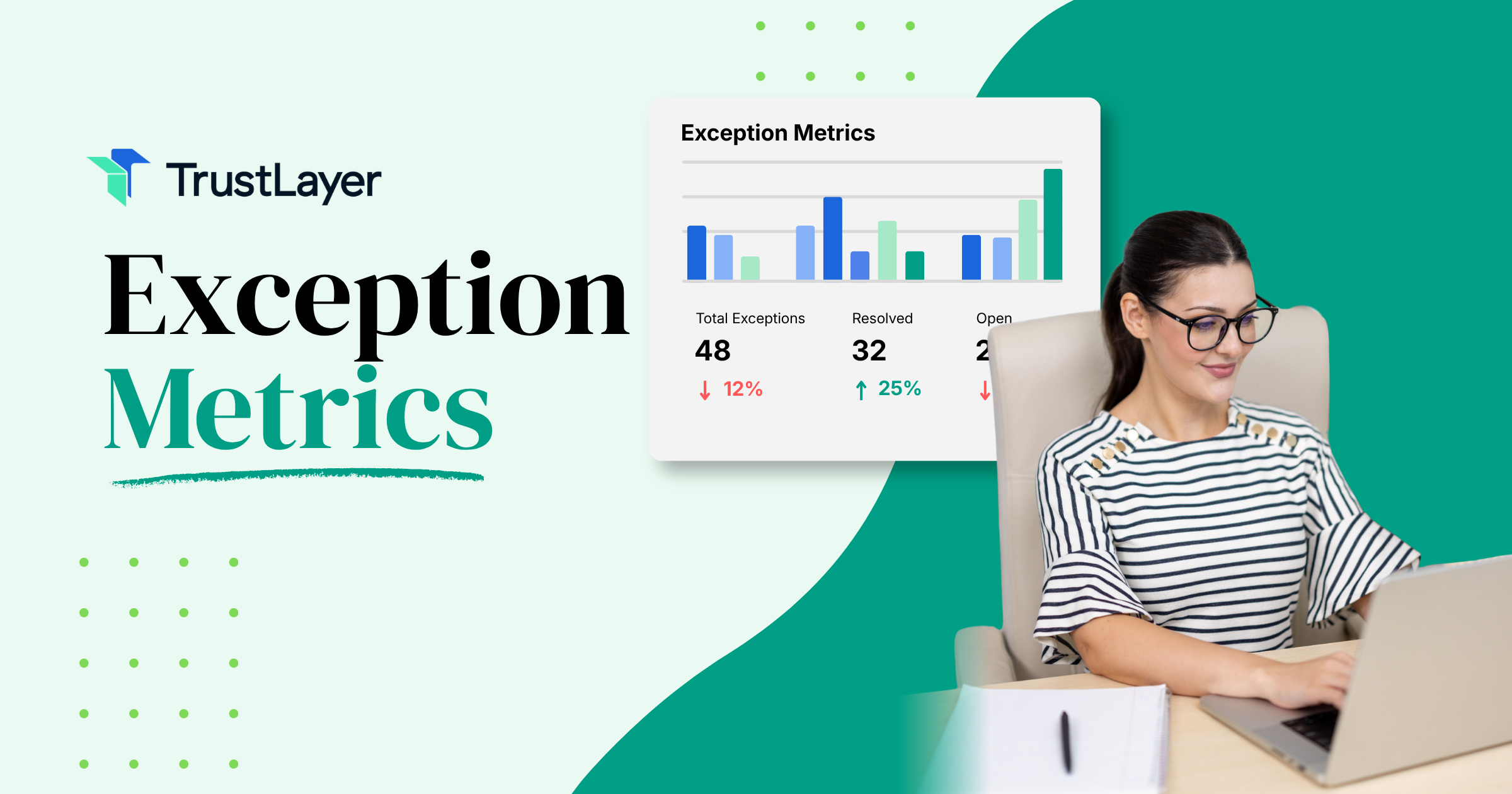
The core advantage of a request-based approach is continuous awareness. Rather than running a quarterly audit to discover what's missing, you can see the status of every outstanding request at any moment. This shifts the institutional mindset from periodic reporting to something closer to a live dashboard: a constant state of knowing where things stand.
Real-time tracking also enables smarter resource allocation. If you can see that 80% of your stuck requests are concentrated in one project region or with one vendor category, you can direct your team's attention there instead of spreading effort evenly across the entire portfolio. That kind of targeted intervention is impossible when you're working from a static spreadsheet that was last updated on a Friday afternoon two weeks ago.
Identifying Non-Responsive Vendors and Partners
Here's something that rarely gets discussed openly: some vendors are chronically non-responsive. Not maliciously, usually, but because providing insurance documentation isn't their priority. They've got jobs to run, and your COI request is item number 47 on their to-do list.
Request-based reporting makes these patterns visible. When you can pull up a report showing that a particular vendor has averaged 34 days to respond to compliance requests over the past year, you have data to inform a conversation, a contract renegotiation, or a decision about whether to continue the relationship. Without that data, you're relying on gut feeling and anecdotal frustration, neither of which holds up in a boardroom or a courtroom.
This kind of visibility also helps you distinguish between vendors who are slow but eventually compliant and those who simply never respond. The two require very different interventions, and treating them the same wastes everyone's time.
How to Diagnose and Resolve Compliance Bottlenecks
Knowing that something is stuck is only half the battle. The other half is figuring out why it's stuck and what to do about it. This is where compliance reporting moves from a passive dashboard into an active management tool. The goal isn't just visibility: it's resolution.
Diagnosing bottlenecks requires looking at patterns, not just individual requests. A single late COI could be a fluke. Twenty late COIs from the same broker suggest a systemic issue. The ability to see those patterns is what separates a compliance program that reacts from one that improves.
Analyzing Time-to-Compliance Metrics
Time-to-compliance is one of the most underused metrics in risk management. It measures the elapsed time between when a compliance document is requested and when a valid, verified document is received: a simple concept, powerful implications.
Tracking this metric across your vendor base reveals several things at once:
- Which vendors or partners consistently meet deadlines and which don't
- Whether certain types of documents (general liability vs. professional liability, for example) take longer to produce
- Whether your own internal processes are contributing to delays, such as unclear request language or missing specifications
- Seasonal or cyclical patterns, like year-end slowdowns when brokers are overwhelmed with renewals
Once you have this data, you can set realistic benchmarks. If your average time-to-compliance is 21 days but your contracts assume compliance within 10, you've identified a structural mismatch that needs to be addressed at the policy level, not just the operational level.
Automating Follow-ups for Pending Requests
Manual follow-up is one of the biggest time sinks in compliance management. Someone on your team is sending reminder emails, making phone calls, and tracking responses, often for hundreds of vendors simultaneously. It's tedious, error-prone, and expensive when you account for the labor hours involved.
Automated follow-up sequences solve this by sending reminders at predetermined intervals without requiring human intervention. A typical sequence might look like this:
- Initial request sent on Day 0
- First reminder at Day 7 if no response
- Second reminder at Day 14 with escalation language
- Escalation to the vendor's account manager or your internal stakeholder at Day 21
- Flag for manual review and potential contract hold at Day 30
The key here is that automation handles the routine while your team focuses on the exceptions. When a request has been stuck for 30 days, and the automated system flags it, that's when a human picks up the phone. This model centralizes strategic oversight while decentralizing tactical follow-ups, preventing your risk team from becoming an administrative bottleneck.
Leveraging Data to Optimize Risk Management
Raw compliance data is useful. Interpreted compliance data is powerful. The difference between the two is what you do with the information once you have it.
When you aggregate request-based reporting data across your entire vendor portfolio, patterns emerge that inform strategic decisions. You might discover that vendors in a particular industry segment consistently take longer to comply, which could influence how you structure onboarding timelines or contract terms for that segment. You might find that a specific broker is a bottleneck across multiple vendor relationships, suggesting a conversation about their processes or capacity.
This data also feeds into broader risk assessments. If 15% of your active vendors are operating with expired or unverified insurance at any given time, that's not a compliance statistic: that's a risk exposure metric that belongs in your quarterly report to leadership. Framing compliance data in terms of business impact, rather than administrative completion rates, is what gets the attention of executives and board members.
The transition from "we track documents" to "we measure and manage compliance risk" is where organizations start seeing real returns on their compliance investment. It's the difference between a filing system and a risk management program. One stores paper. The other protects the organization.
Consider the analogy of a COI sitting in your files with the wrong additional insured listed. It's like a car with an engine but no wheels: it looks right at a glance, but it won't get you anywhere when you actually need it. Request-based reporting that tracks not just receipt but verification catches these issues before they matter.
Strengthening Your Risk Posture with TrustLayer
Seeing what's stuck in your compliance pipeline is only valuable if you can act on it quickly and consistently. That's where purpose-built tools separate themselves from cobbled-together spreadsheet solutions. TrustLayer built its platform around this challenge: automating the correspondence, collection, storage, and verification of compliance documents like certificates of insurance so risk managers can focus on managing risk rather than chasing paper.
The scale of the document collection problem is staggering. Millions of COIs change hands every day across industries, and thousands of phone calls are placed just to verify that the information on those certificates is accurate. That's an enormous amount of time and money spent on a process that should be systematic, not manual. TrustLayer's approach treats this as an infrastructure problem, not an administrative one, and the hundreds of thousands of companies using the platform suggest it's working.
For risk managers who believe in building next practices rather than clinging to legacy processes, the shift to automated, request-based compliance tracking isn't optional anymore. It's the foundation of a credible risk management program.
Explore More Insights on Our Blog
TrustLayer publishes regularly on topics ranging from COI management best practices to emerging trends in vendor risk. If you found this piece useful, their blog is worth bookmarking for ongoing insights into how forward-thinking risk teams are rethinking compliance operations.
Book a Consult with Our Insurance Experts
If your team is still tracking compliance requests through spreadsheets, email chains, or a patchwork of tools that don't talk to each other, it's worth having a conversation about what a modern approach looks like. TrustLayer's team works with risk managers across industries and can help you understand where your current process is creating hidden exposures. Set up a time to talk with our team and see how request-based compliance reporting can replace the guesswork with genuine visibility into what's stuck and why.
You might also like

.png)