Transparent, Auditable Programs for Public & Education Teams

Public agencies and school districts share a peculiar burden that most private companies never face: every dollar they spend, every vendor they hire, and every contract they sign is, at least in theory, subject to public scrutiny. A parent can file a records request about the bus company's insurance. A city council member can demand proof that a construction contractor met bonding requirements. When those records are scattered across filing cabinets, email threads, and someone's desktop folder labeled "COIs 2024," the result isn't just embarrassment - it's genuine institutional risk. The push toward transparent, auditable programs for public and education teams isn't some abstract governance trend. It's a direct response to real failures: lawsuits triggered by lapsed vendor coverage, audit findings that expose months of non-compliance, and the slow erosion of public trust that follows. If your organization still treats compliance documentation as a once-a-year fire drill, you're operating on borrowed time. The question isn't whether you need better systems. It's whether you'll build them before a crisis forces your hand.
The Need for Transparency in Public and Educational Risk Management
Public institutions and school districts operate under a social contract that private businesses don't. Taxpayers fund the budget. Parents entrust their children to the system. Elected officials and board members are accountable to voters. This creates an environment where opacity around risk management isn't just inconvenient - it's politically dangerous and legally precarious.
Think about what happens when a vendor working on a school campus causes an injury and turns out to have had liability coverage lapse for 3 months. The immediate question from the community isn't "how did the injury happen?" It's "who was supposed to check this, and why didn't they?" That question has ended careers, triggered board recalls, and cost districts millions in settlements.
The fundamental problem is that many public and education organizations still treat risk documentation as a back-office function, something handled by a single person in procurement or finance who manually reviews certificates of insurance and files them away. That model worked when a district had ten vendors. It collapses when you're managing hundreds of contractors, service providers, and facility partners across multiple sites.
Meeting Public Expectations for Accountability
Public expectations around institutional accountability have shifted dramatically in the last decade. Freedom of information laws, open records requests, and social media have created an environment where any gap in documentation can become a headline within hours. A 2025 survey by the Government Finance Officers Association found that 67% of local governments reported an increase in records requests related to vendor compliance over the previous three years.
For school districts, the stakes are even higher. Parents expect that every adult entering a school building has been vetted, insured, and approved. When a district can't produce documentation proving that a food service vendor carried adequate coverage during the period a child got sick, the legal exposure is enormous, but the reputational damage is worse. Trust, once broken with families, takes years to rebuild.
The expectation now is continuous accountability, not periodic proof. Boards and community members don't want to hear that everything was fine at the last annual audit. They want to know that compliance is being monitored in real time today.
Navigating Complex Regulatory and Compliance Mandates
Public entities don't just answer to their communities. They answer to state agencies, federal regulators, grant administrators, and accreditation bodies, each with its own compliance requirements. A single school district might need to satisfy state Department of Education rules, federal Title I grant conditions, OSHA workplace safety standards, and local municipal insurance requirements simultaneously.
Each of these mandates comes with its own documentation expectations. Federal grants often require proof that subcontractors meet specific insurance thresholds. State education agencies may mandate particular endorsements on vendor policies. Municipal codes might require additional insured language that differs from county to county.
The compliance burden compounds when you consider that these requirements are constantly changing. A state legislature updates minimum coverage amounts. A federal agency revises grant reporting timelines. Without a system that tracks these shifting requirements and maps them against actual vendor documentation, gaps are inevitable. And in a regulatory environment where ignorance is never accepted as a defense, those gaps translate directly into financial penalties, clawback provisions, and audit findings that can jeopardize future funding.
Building an Auditable Framework for Vendor Compliance
An auditable framework isn't just a filing system with better labels. It's a structural approach to vendor compliance that produces a clear, timestamped, verifiable trail of every document collected, every verification performed, and every exception flagged. The goal is simple: at any point, any authorized person should be able to pull up a vendor's compliance status and see exactly where things stand, when documents were last verified, and what actions are pending.
Most public organizations think they have this. They don't. What they have is a collection of PDFs in a shared drive, a spreadsheet that someone updates when they remember to, and a process that depends entirely on one person's institutional knowledge. That's not a framework. It's a single point of failure dressed up as a system.
Centralizing Certificates of Insurance (COI) Tracking
Here's an analogy that might help: imagine a school district where each building principal keeps their own vendor files, each in a different format, stored in different locations. The transportation department has its contractor COIs in a binder. Facilities keep theirs in email. The athletics department has some in a Google Drive folder, but they can't find others at all. Now imagine an auditor walks in and asks for a complete picture of vendor compliance across the district.
That scenario isn't hypothetical. It plays out constantly. Fragmented visibility across departments and sites is the primary failure mode in public sector risk management. Coverage gaps hide in the spaces between teams, invisible until a claim forces everyone to start digging.
Centralizing COI tracking means establishing a single source of truth for all vendor insurance documentation. Every certificate, every endorsement, every policy expiration date lives in one place, accessible to everyone who needs it and protected from everyone who doesn't. This doesn't mean one person does all the work. It means one system captures all the data, regardless of who enters it or where they're located.
Automating Verification to Eliminate Human Error
Manual COI review is an expensive illusion of compliance. A human reviewer can confirm that a certificate of insurance exists and that the numbers on it look correct. But they can't efficiently cross-reference policy effective dates against contract periods, verify that additional insured language matches your requirements, or catch a certificate that was issued by a surplus lines carrier not authorized in your state.
Even the most diligent reviewer makes mistakes when they're processing dozens of certificates per week. They miss an expiration date. They overlook a missing endorsement. They file a certificate for Vendor A under Vendor B's folder. These aren't character flaws - they're the predictable result of asking humans to do work that machines handle more reliably.
Automated verification shifts the institutional posture from periodic spot-checking to continuous monitoring. Instead of discovering during an annual audit that a vendor's coverage lapsed four months ago, an automated system flags the lapse the day it happens and triggers the appropriate follow-up. The difference between those two scenarios can be the difference between a minor administrative correction and a seven-figure uninsured loss.
Streamlining Collaboration Across Departments
Risk management in public organizations is inherently cross-functional. Procurement selects vendors. Legal reviews contracts. Finance processes payments. Operations manages day-to-day vendor relationships. Risk or insurance staff set coverage requirements. And in school districts, individual building administrators often make their own vendor decisions for everything from assembly performers to playground equipment installers.
When these groups operate independently, with their own processes and their own records, the result is predictable: nobody has a complete picture. Procurement might approve a vendor without confirming insurance. Operations might renew a contract without checking whether the vendor's coverage still meets requirements. A building principal might hire a DJ for prom without any compliance check at all.
Breaking Down Silos Between Procurement and Risk Teams
The most common structural problem in public-sector vendor compliance is the disconnect between the people who select vendors and those who set insurance requirements. Procurement teams focus on cost, capability, and delivery timelines. Risk teams focus on coverage adequacy, policy terms, and liability exposure. When these functions don't communicate through a shared system, vendors fall through the cracks.
A governance model that works well for larger organizations is to centralize control of compliance standards with the risk team while decentralizing execution to the departments and sites that actually manage vendor relationships. The risk team defines the required coverage for each vendor category. Procurement and site administrators handle the day-to-day collection and submission of documents. The system enforces the standards automatically, so a building principal can't accidentally onboard an uninsured contractor, as it won't allow the process to proceed without verified documentation.
This approach prevents the administrative bottleneck that occurs when every COI has to pass through a single risk manager's desk. It also prevents the chaos that occurs when individual departments make their own compliance decisions without guidance.
Real-Time Reporting for Board and Stakeholder Reviews
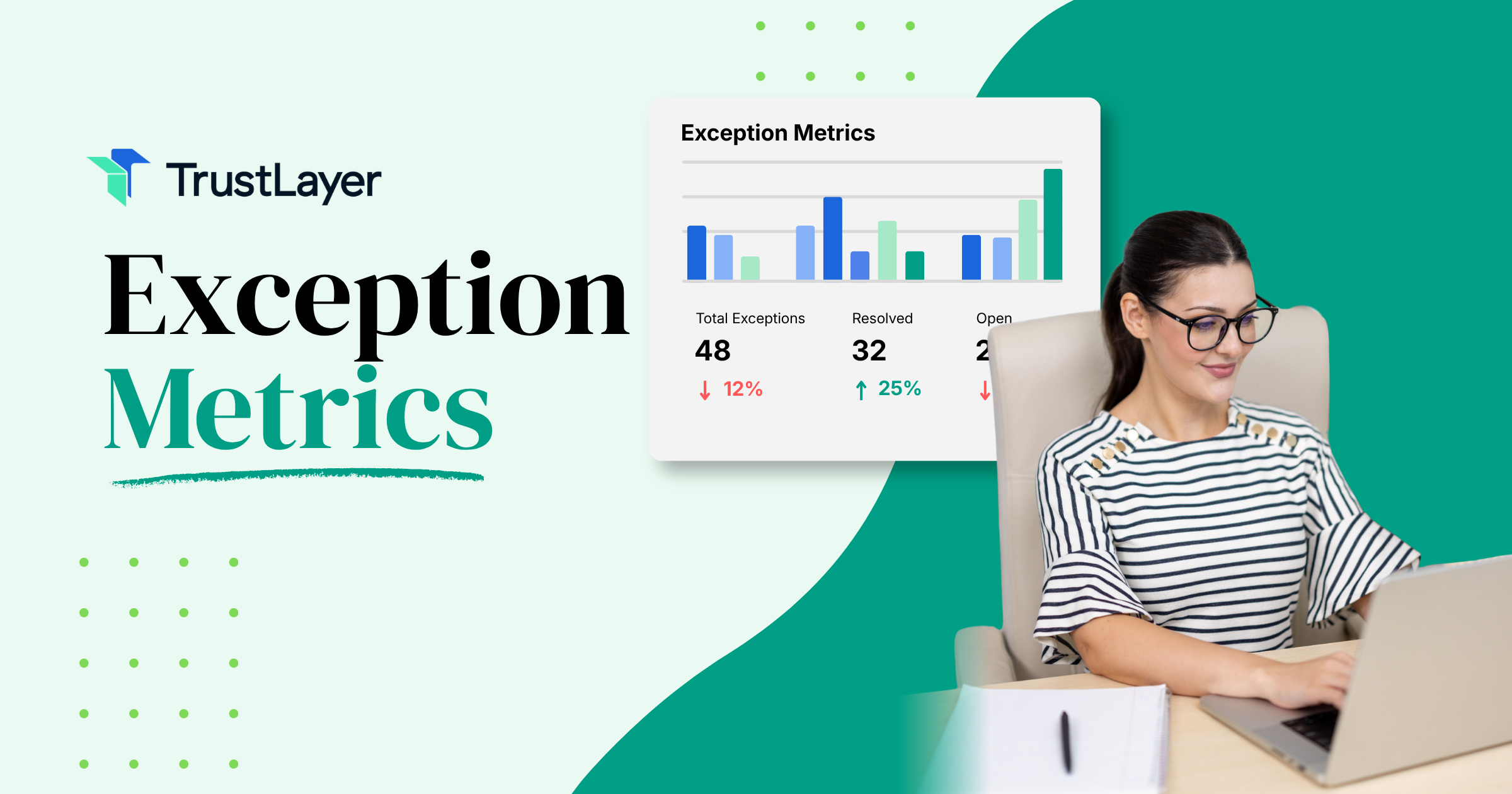
Board members and elected officials don't want to wade through spreadsheets. They want dashboards that tell them, in plain language, how many vendors are fully compliant, how many have pending issues, and what the organization's overall risk exposure looks like. They want to see trends: is compliance improving or deteriorating? Are certain departments or vendor categories consistently problematic?
Real-time reporting transforms the relationship between risk teams and their stakeholders. Instead of preparing a quarterly compliance report that's outdated by the time it's presented, risk managers can pull up current data during a board meeting and answer questions on the spot. This shifts the institutional mindset from compliance theater, where everyone scrambles before an audit, to continuous awareness, where compliance status is known at any moment.
For education teams specifically, this capability is powerful during accreditation reviews and state audits. Being able to demonstrate not just current compliance but a historical record of continuous monitoring tells auditors something important. This organization takes risk management seriously as a sustained practice, not a fire drill performed twice a year.
Mitigating Liability Through Proactive Program Oversight
Reactive risk management is like buying car insurance after the accident. It's technically possible, but it doesn't help when you need it most. Proactive program oversight means identifying and addressing compliance gaps before they result in claims, lawsuits, or audit findings.
For public entities, the liability calculus is different from that of private companies. Sovereign immunity protections vary by state and often don't cover negligent oversight of vendor relationships. A school district that knew, or should have known, that a contractor's insurance had lapsed faces a much harder legal defense than one that can demonstrate continuous monitoring and prompt follow-up on any gaps.
Proactive oversight includes several key practices:
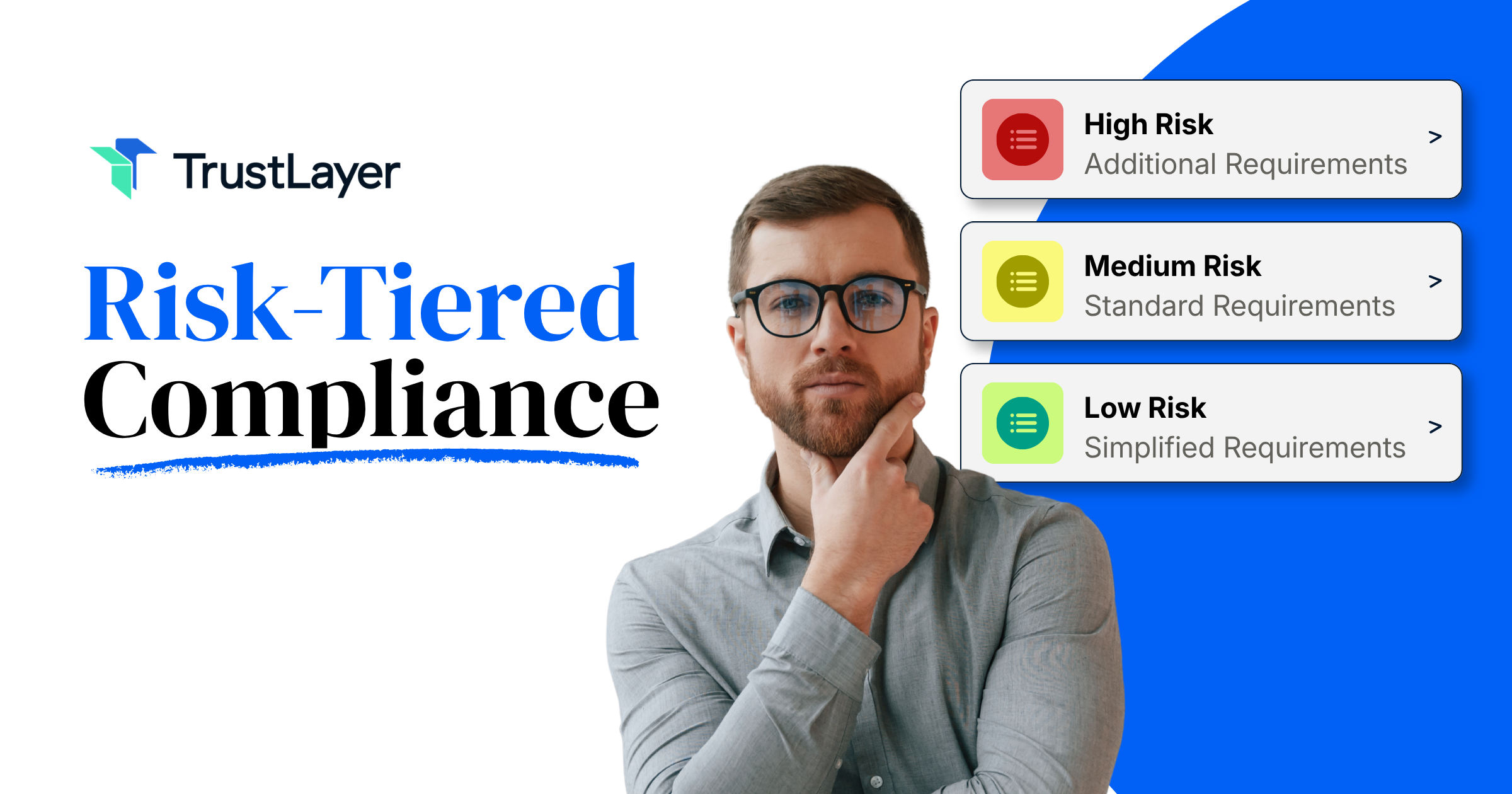
- Setting coverage requirements by vendor risk category, not applying a one-size-fits-all threshold to every contractor
- Monitoring policy expiration dates and initiating renewal requests before coverage lapses
- Tracking endorsements and additional insured status, not just policy limits
- Documenting every communication with vendors about compliance requirements
- Maintaining historical records that show the organization's compliance posture over time
The documentation piece is critical. In litigation, the question is rarely "was the vendor insured?" It's "what did the organization do to verify insurance, and when did they do it?" A timestamped audit trail showing consistent monitoring and prompt follow-up is the strongest possible defense.
Public and education organizations that build transparent, auditable programs for their vendor compliance don't just reduce liability. They create institutional resilience. When a claim does occur, and eventually one will, the organization can respond from a position of documented diligence rather than scrambling to reconstruct what happened.
Strengthening Your Risk Strategy with TrustLayer
The principles outlined here - centralization, automation, cross-departmental collaboration, real-time reporting, and proactive oversight - aren't aspirational goals. They're operational necessities for any public or educational organization serious about managing vendor risk. The gap between knowing what needs to happen and actually making it happen usually comes down to tools and infrastructure.
Building auditable compliance programs requires technology purpose-built for the problem at hand. Generic document management systems and shared drives can't enforce coverage requirements, automatically flag expirations, or produce the audit trails regulators and boards expect. The organizations getting this right in 2026 are the ones that invested in dedicated solutions designed specifically for certificate of insurance tracking and vendor compliance management.
TrustLayer has built its platform in close collaboration with the risk management industry, working with carriers, brokers, and organizations of all sizes to automate the collection, storage, and verification of compliance documents such as COIs. If your team is still chasing vendors by phone and email for updated certificates, or if your compliance process depends on one person's memory and a spreadsheet, it's worth exploring what a modern approach looks like. Browse other TrustLayer articles for deeper insights into specific compliance challenges, or schedule a time to talk with our team about how to build the kind of program your organization and community deserve.
You might also like

.png)