Supply Chain Compliance Controls for Volatile Markets
Global supply chains in 2026 look nothing like they did even three years ago. Between escalating trade disputes, climate-driven disruptions, and regulatory environments that shift faster than most organizations can update a spreadsheet, the old playbook for managing compliance across your vendor network is falling apart. Companies that once treated compliance as a quarterly checkbox exercise are discovering, sometimes painfully, that volatile markets demand something far more dynamic. The organizations getting this right aren't just surviving disruption: they're using strong compliance controls as a competitive advantage, winning contracts and partnerships because they can prove their supply chain is sound when others can't. Building effective compliance controls for volatile supply chain conditions isn't optional anymore. It's the difference between a resilient operation and one that's perpetually in crisis mode, scrambling to verify vendor credentials after a problem has already materialized. What follows is a practical look at what those controls actually look like, where most organizations fall short, and how technology is changing the equation.
The Evolution of Compliance in Volatile Markets
The compliance function has undergone a dramatic transformation over the past decade. What used to be a static, paper-heavy process run by a small team reviewing certificates once a year has become a continuous, data-driven discipline that touches every part of the supply chain. The shift didn't happen by choice for most companies: it was forced by a combination of regulatory acceleration, geopolitical instability, and insurance market hardening that made the old ways untenable.
In 2024 and 2025 alone, the EU's Corporate Sustainability Due Diligence Directive, expanded U.S. sanctions regimes, and tightening ESG reporting requirements created a compliance environment where yesterday's standards are literally outdated today. Companies operating across borders now face overlapping, and sometimes contradictory, regulatory frameworks, and the penalties for non-compliance have teeth. We're not talking about slap-on-the-wrist fines anymore: we're talking about import bans, contract terminations, and reputational damage that takes years to repair.
Identifying Modern Supply Chain Disruptors
The disruptors that matter most aren't always the ones making headlines. Yes, geopolitical conflicts and pandemics cause massive supply chain upheaval. But the quieter disruptors are often more dangerous because they're harder to spot.
Regulatory fragmentation is a prime example. When one country tightens chemical safety standards while another relaxes import tariffs, the compliance requirements for a single product line can change overnight across multiple jurisdictions. Currency volatility forces rapid supplier changes, which means onboarding new vendors under time pressure: exactly the condition where compliance shortcuts happen. Climate events are increasing in frequency and severity, pushing companies to find alternative suppliers in regions where they have no existing compliance infrastructure.
The common thread? Each of these disruptors creates pressure to move fast, and moving fast without adequate controls is where organizations get burned.
The Cost of Compliance Failures During Market Shifts
The financial impact of compliance failures during volatile periods is staggering, and it goes well beyond regulatory fines. A 2025 Deloitte survey found that companies experiencing a major compliance failure during a supply chain disruption faced average recovery costs 3.4 times higher than the disruption itself.
Consider what happens when a company rapidly onboards a new supplier to replace one lost to a geopolitical event, skips thorough insurance verification, and that supplier causes a workplace injury or environmental incident. The hiring company is now exposed to liability it thought was covered. That certificate of insurance sitting in someone's inbox? It might be expired, or the coverage limits might not meet contractual requirements. It's like having a car with an engine but no wheels: it looks functional until you actually need it to perform.
The less visible cost is opportunity loss. Companies with documented compliance failures get passed over for contracts, especially in sectors like construction, healthcare, and government contracting where proof of a compliant supply chain is a prerequisite for bidding.
Core Controls for Resilient Supply Chain Management
Building resilience into your supply chain compliance program requires more than good intentions. It demands specific, repeatable controls that function under pressure: not just during calm periods when everyone has time to follow the process. The three controls below form the backbone of any serious compliance infrastructure.
Automated Vendor Credentialing and Verification
Manual vendor credentialing is one of the biggest bottlenecks in supply chain compliance, and it's the first thing that breaks down when markets get volatile. When you need to onboard 15 new suppliers in two weeks because your primary vendor in a conflict zone just went dark, nobody has time to chase down business licenses, safety certifications, and tax documents through email chains.
Automated credentialing systems pull verified data directly from authoritative sources, flag discrepancies in real time, and create an auditable trail that satisfies regulators. The key distinction is between systems that simply store documents and systems that actually verify them. A folder full of PDFs isn't credentialing: it's a filing cabinet. True credentialing confirms that the documents are current, authentic, and meet your specific contractual and regulatory requirements.
Real-Time Certificate of Insurance (COI) Tracking
COI tracking is where fragmented visibility causes the most damage. In a typical mid-size company managing 200 or more vendors, certificates expire constantly. Without real-time tracking, you're essentially operating on faith that your vendors' coverage is active and adequate. That faith is practically worthless when a claim hits.
Real-time COI tracking means knowing, at any given moment, which vendors are fully compliant, which have expiring coverage, and which have gaps that expose your organization to risk. This shifts the institutional mindset from periodic reporting- the "fire drill" approach where someone scrambles to compile a compliance report before an audit- to continuous awareness. Your risk team should be able to pull up a dashboard at 2 PM on a Tuesday and know exactly where things stand, not wait for a quarterly review to discover that 30% of your vendor certificates lapsed two months ago.
Dynamic Risk Assessment Frameworks
Static risk assessments are a relic. Assigning a vendor a risk score once during onboarding and never updating it is like checking the weather forecast on January 1st and assuming it applies all year.
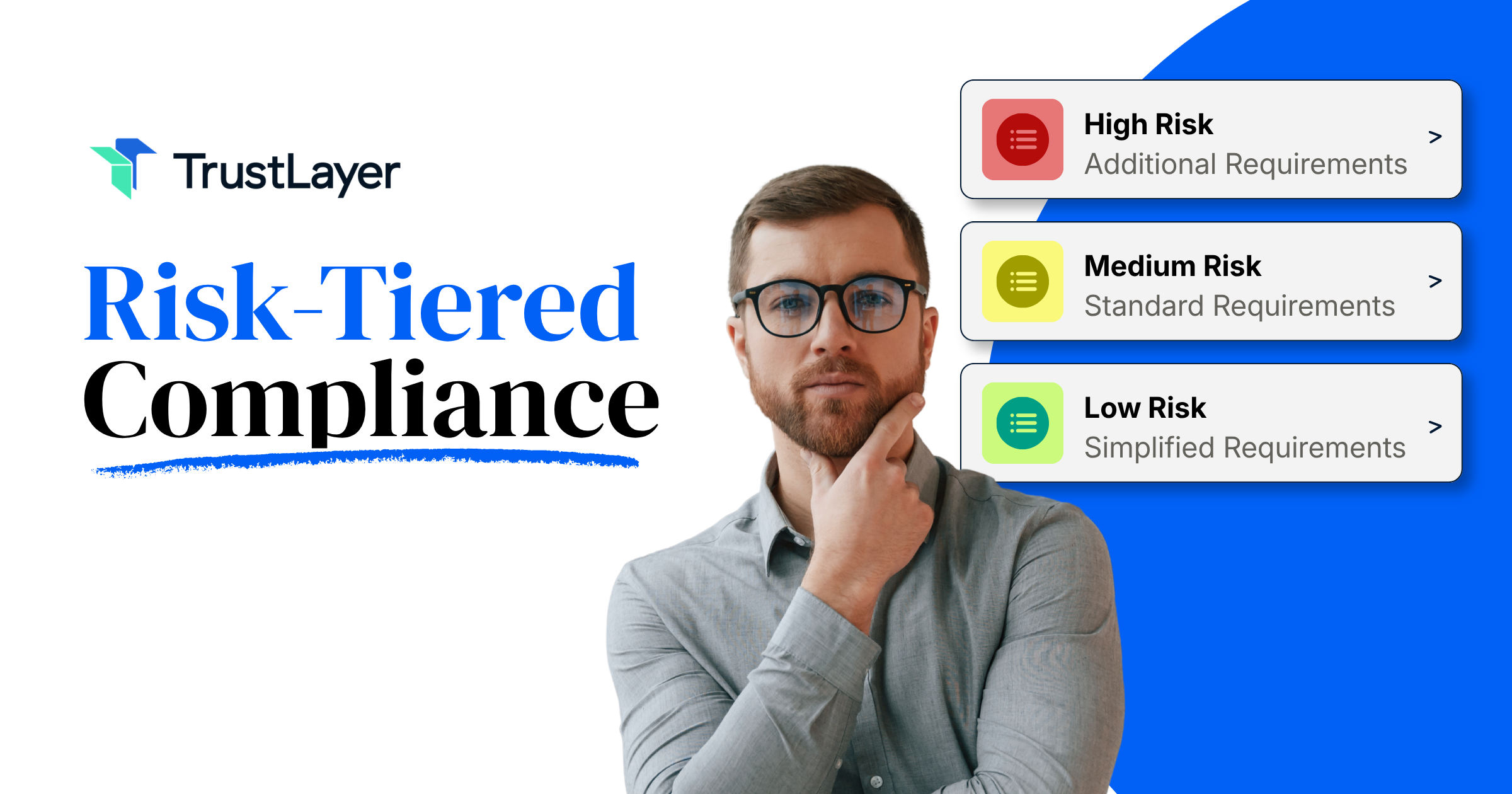
Dynamic frameworks reassess vendor risk based on changing conditions: financial health indicators, regulatory changes in their operating jurisdictions, claims history, news events, and shifts in their own supply chains. The practical implementation looks like tiered monitoring. Your highest-risk vendors (those in volatile regions, handling hazardous materials, or representing significant contract value) get assessed monthly or even weekly. Lower-risk vendors might be reassessed quarterly. The point is that the framework adapts to conditions rather than following a rigid calendar.
Mitigating Third-Party Risks in Flux
Third-party risk is where compliance programs face their hardest test during volatile periods. Your organization might have excellent internal controls, but if your tier-two supplier in Southeast Asia just lost their insurance coverage or your logistics partner is teetering on insolvency, that risk flows directly to you. Managing these risks requires both speed and discipline: two things that often feel mutually exclusive.
Managing Rapid Onboarding Without Cutting Corners
The pressure to onboard vendors quickly during supply chain disruptions is real, and it's the number one reason compliance standards slip. A procurement team facing production delays doesn't want to hear that the new supplier needs three more days for insurance verification. But those three days of due diligence can prevent three years of litigation.
The solution isn't to slow everything down: it's to build onboarding workflows that separate what must happen synchronously from what can happen asynchronously. High-risk activities (working on your premises, handling regulated materials, accessing sensitive data) require full compliance verification before work begins. Period. Routine, lower-risk engagements can use conditional approvals where work begins while final documentation is being verified, with clear deadlines and automatic escalation if documents aren't received. This governance model centralizes strategic oversight with your risk team while letting project leads handle tactical execution, preventing the administrative bottleneck that makes people want to skip compliance entirely.
Monitoring Financial Stability of Downstream Partners
A vendor's financial instability is a compliance risk that most organizations dramatically underestimate. When a supplier is struggling financially, they cut costs, and insurance premiums, safety equipment, and regulatory compliance are often the first things to go. By the time you find out, you're already exposed.
Monitoring financial stability doesn't require a forensic accounting team. Practical indicators include payment pattern changes (are they paying their own suppliers late?), credit rating shifts, unusual leadership turnover, and public filings. Several data aggregation services now provide automated alerts when a vendor's financial indicators cross predefined thresholds. The goal is early warning, not surveillance: catching deterioration before it becomes a compliance gap that shows up as an uninsured claim on your desk.
Leveraging Technology for Regulatory Agility
Technology alone doesn't solve compliance problems. Plenty of organizations have invested heavily in platforms they barely use, or that create more administrative burden than they eliminate. The technology that actually works in volatile markets does two things well: it centralizes fragmented data so you can see the full picture, and it helps you anticipate problems before they arrive.
Centralizing Compliance Data for Global Visibility
Data silos are the silent killer of supply chain compliance programs. When your construction division tracks vendor insurance in one system, your procurement team uses a different platform for credentialing, and your legal department maintains a separate contract database, nobody has a complete view of risk. Coverage gaps hide in the spaces between these systems until a claim forces them into the open.
Centralizing compliance data means creating a single source of truth where every stakeholder, from site managers to the chief risk officer, can access current vendor compliance status. This doesn't necessarily mean one monolithic platform: it means integration and standardization so that data flows between systems without manual reconciliation. The practical benefit is enormous. Instead of five people maintaining five spreadsheets with five different update schedules, you have one continuously updated view. When a regulation changes or a market shifts, you can immediately identify which vendors are affected and what actions are needed.
Utilizing AI for Predictive Risk Modeling
Predictive risk modeling has moved from theoretical to practical in the past two years. AI systems can now analyze patterns across thousands of vendor relationships, regulatory databases, financial indicators, and market signals to flag risks before they materialize. A vendor whose insurance carrier just received a credit downgrade, operating in a region where new environmental regulations take effect next quarter, with a history of late certificate renewals: that's a pattern a human analyst might miss across a portfolio of 500 vendors, but a well-trained model catches it immediately.
The caveat is that predictive models are only as good as the data feeding them. This circles back to centralization: if your compliance data is scattered across disconnected systems, no amount of AI sophistication will compensate. The organizations getting the most value from predictive risk tools are the ones that first did the unglamorous work of cleaning up their data infrastructure and establishing consistent tracking across their vendor base.
Strengthening Your Risk Posture with TrustLayer
The thread running through everything above is that compliance controls for volatile supply chains require three things: speed, visibility, and verification. You need to onboard and monitor vendors fast enough to keep pace with market changes, see your entire risk exposure in one place, and verify (not just collect) the documents that prove compliance. Most organizations have some of these capabilities in pockets, but few have built the structural foundation that makes them work together consistently.
The companies that treat compliance as a continuous practice rather than periodic theater are the ones that weather volatile markets without catastrophic surprises. They know which vendors are covered, which certificates are current, and where their exposure sits: not during audit season, but every single day.
If your current process for tracking certificates of insurance and vendor compliance still involves chasing emails and updating spreadsheets, it's worth looking at how TrustLayer approaches the problem. They've built their platform specifically for modern risk managers who need automated verification and collection of compliance documents like COIs, and they've done it alongside the insurance industry rather than in isolation. Browse other articles on the TrustLayer blog for more practical guidance, and if you're ready to see how automated compliance tracking could work for your organization, set up a time to talk with their team.
You might also like
.png)